Inside Spotify's fleet: 10,000 components across 500+ squads
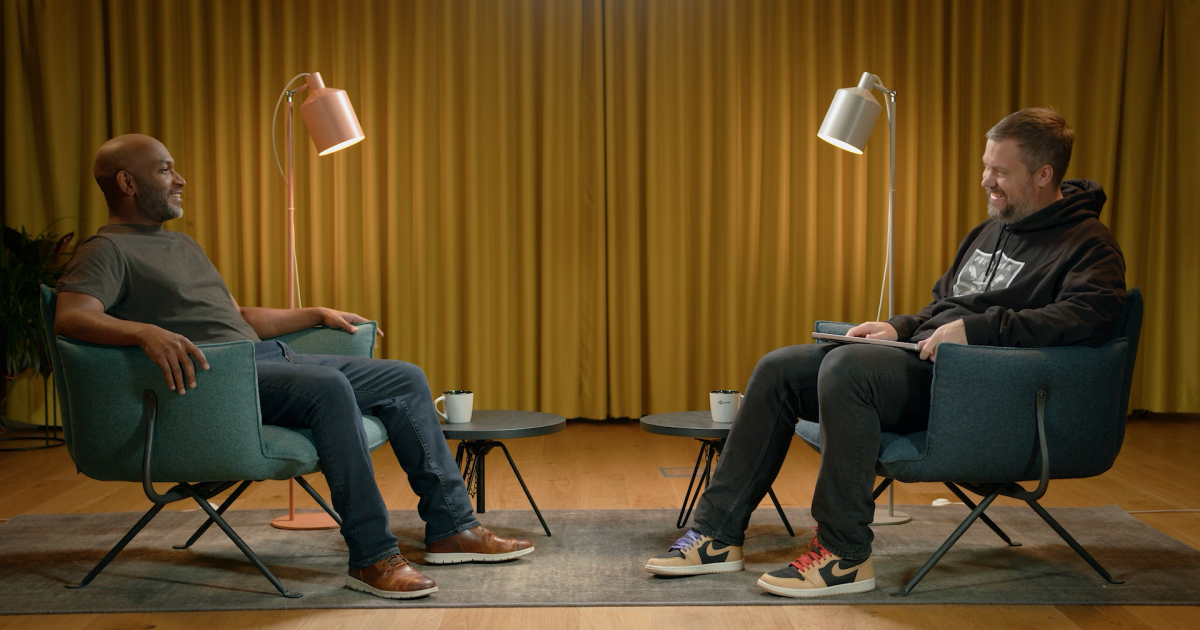
At Spotify's Gothenburg office last November, Google Cloud distinguished engineer Kelsey Hightower sat down with Spotify chief architect Niklas Gustavsson for an hour-long conversation about operating a sprawling technology ecosystem — one built from more than 500 squads and over 10,000 software components in production. The discussion centered on Fleet Management, the practice of keeping that ecosystem healthy and secure while cutting engineering toil to improve developer effectiveness.
Themes from the conversation
Hightower and Gustavsson ranged across organizational and technical ground:
- How the squad model has evolved
- Moving up the stack
- Adopting a fleet-first mindset
- Monorepos versus polyrepos
- Managing the fleet
- Ownership and fleet-wide changes, including the Log4j episode
- Building consensus for large architectural changes
- Plugging into Backstage
- Investing in developer experience
- Where Fleet Management goes next
Ownership at every granularity
Clear ownership was a recurring subject. As the two framed it, ownership does not have to mean owning a whole component — it can apply to a dependency, or even to a single change made to a component. Backstage's role in that picture is to unify software management behind a centralized, cohesive UX for the entire tech ecosystem. There are also lessons developers still have to absorb the hard way on the path to getting better at their craft, and the conversation touches on the business value of investing in developer experience and on the goal of making Fleet Management an everyday tool any team can pick up.
Further reading and listening
Spotify has published a three-part series on the blog covering the shift to a fleet-first mindset, the path to declarative infrastructure, and fleet-wide refactoring. The subject is also covered on the NerdOut@Spotify podcast in Episode 12, "Fleet First," and Episode 22, "Declarative Infra and Beyond."