Prototypes As A Design Discipline, Not Just A Deliverable
Design work is problem-solving. Before a team commits to building anything, it forms hypotheses about what users need and how to meet those needs. Those raw ideas require validation, and prototyping is the most direct way to test them. At ProtoPie, the philosophy is simple: treat every idea as a prototype. That mindset keeps teams from falling in love with untested assumptions and pushes them toward solutions that have actually been exercised and examined.
Make Abstract Ideas Tangible
An idea locked inside a designer’s head is nearly impossible to evaluate. Without a visual or interactive reference, stakeholders must imagine how a product will look and behave, which inevitably invites misunderstanding. A prototype gives an idea a tangible form that others can react to. It does not need to be polished; it needs to communicate enough of the concept to reveal whether the idea has value.
The fidelity of a prototype should match the stage of the process. Early exploration benefits from quick, low-fidelity sketches that let you test multiple concepts cheaply. Once an idea gains traction, move to mid- or high-fidelity assets that behave like the final product, allowing users to interact with the solution in a realistic way.
Combat Feature Creep By Testing Early
Teams generate many feature ideas, but not all of them deserve to ship. When every idea becomes a feature, the result is creeping featurism — products buried under poorly conceived additions that undermine usability. As Don Norman warns:
“Creeping featurism is a disease, fatal if not treated promptly. There are some cures, but as usual, the best approach is to practice preventative medicine.”
Prototyping and usability testing reveal which features actually work for users. When you can show stakeholders how real users interact with a prototype, the evidence is far more persuasive than arguing from a spec sheet.

Reveal Technical Risk Early
Feature complexity is notoriously hard to judge from a written specification. A component that seems like a day of work can turn into a week when hidden UI or interaction challenges surface during development. That kind of delay pushes back time-to-market and inflates costs.
High-fidelity prototypes expose many of these hidden issues before development begins. They serve as a communication bridge between designers and developers, clarifying which parts of the concept are difficult or impossible to build. Identifying fundamental problems early in the process is dramatically less expensive than fixing them after code has been written.
Turn One Good Idea Into Many
A common failure mode in design teams is treating a good idea as a finished solution rather than a starting point. That mindset locks the entire team onto a single path before alternatives have been examined. Prototyping resets that dynamic. When the deliverable is a prototype rather than a final product, the team feels free to experiment, follow different routes, and discover which approach works best.
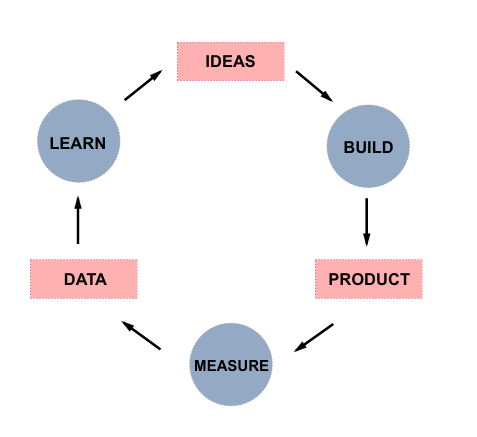
This working pattern mirrors a build-measure-learn cycle. Each prototype is a quick experiment that helps the team compare options and decide direction.
Be Willing To Abandon Good Ideas
There is a chess principle that applies directly to product design: when you find a good move, look for a better one. If you have a promising idea, the best thing you can do is set it aside. Write it down, close the notebook, and keep thinking. Sticking to your first good idea prevents you from finding great ones.
Base Decisions On Evidence, Not Intuition Alone
Gut feeling is part of design, but it is also the entry point for cognitive biases such as confirmation bias — the tendency to favor information that supports existing beliefs. Testing high-fidelity prototypes with real users reduces that risk. When users see a realistic design, they evaluate it as a finished product, and the feedback you collect is far more useful than opinions formed in a meeting room.
Prototyping Improves Team Dynamics
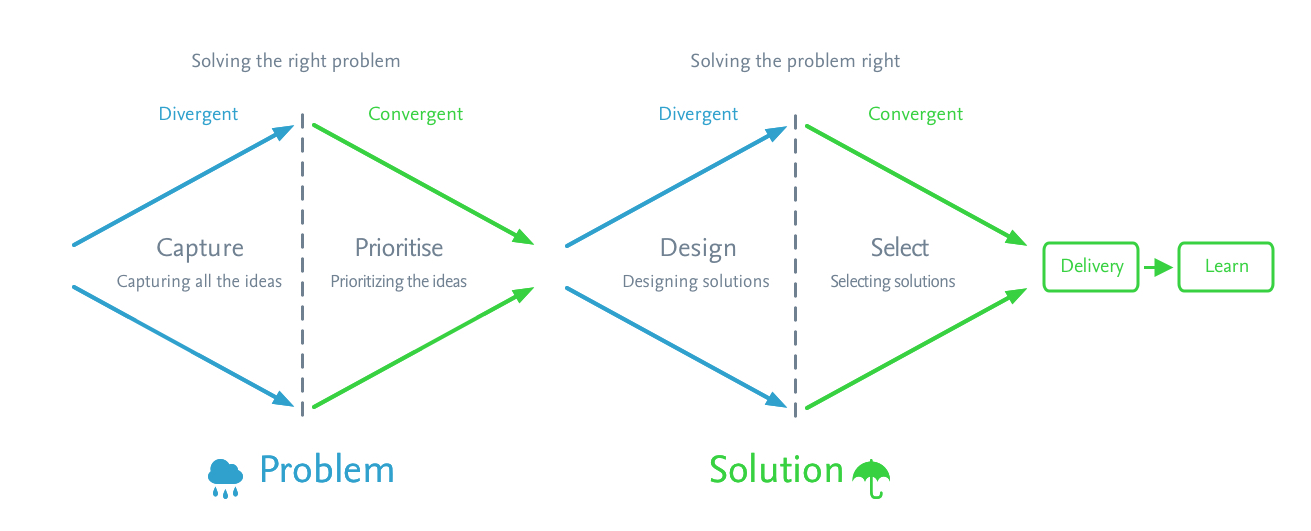
Product teams often think their goal is simply to build great products. Just as important is creating an environment where people feel safe to experiment and critique. Brainstorming should produce a wide range of ideas, which are then evaluated and turned into prototypes for further exploration.
Counter The HiPPO Effect
Many organizations suffer from the HiPPO effect, where lower-paid employees defer to the opinion of the highest-paid person in the room. This pattern introduces bias into design discussions and prevents collaborative decision-making.
Two practices help counter it. First, embrace the mindset that there are no bad ideas. As the d.School puts it, “It’s not about coming up with the ‘right’ idea, it’s about generating the broadest range of possibilities.” Second, actively invite honest feedback, even when you are the one whose concept is being challenged. Reframe the conversation from “I think this should be designed…” to “How might we design…?” This small change fosters shared problem-solving.
Critique The Prototype, Not The Person
Emotions influence how ideas are evaluated. When someone presents a concept verbally, it is hard for others to separate the value of the idea from their impression of the person proposing it. Prototypes help break that link. Because a prototype is an artifact, team members can challenge it directly without attacking the presenter. That makes it easier to stay objective and focus on whether the design serves business goals and user needs.
When testing, avoid phrasing that implies the answer is already known. Instead of “Let’s validate this design,” say “Let’s learn what works and what doesn’t work for our users and why.” The second framing keeps the team open to findings that overturn their assumptions.
Prototyping Is A Way Of Thinking
Prototyping is more than a technique; it is a design philosophy. As Tom and David Kelley of IDEO said:
“If a picture is worth 1,000 words, a prototype is worth 1,000 meetings.”
Teams that embed prototyping into their process are constantly seeking better answers. The discipline of making ideas tangible, testing them, and discarding weaker options keeps the entire product moving toward its strongest form.