
Design teams tend to treat shared war stories as hard evidence. A practice that failed at one company becomes a warning for everyone else, and a single success hardens into assumed best practice. Ana Boyer, a designer advocate at Figma, argues that these inherited assumptions turn into myths about design systems, and that the myths create unseen barriers — enough to stop some teams from starting at all.
The size question: teams of any scale can benefit
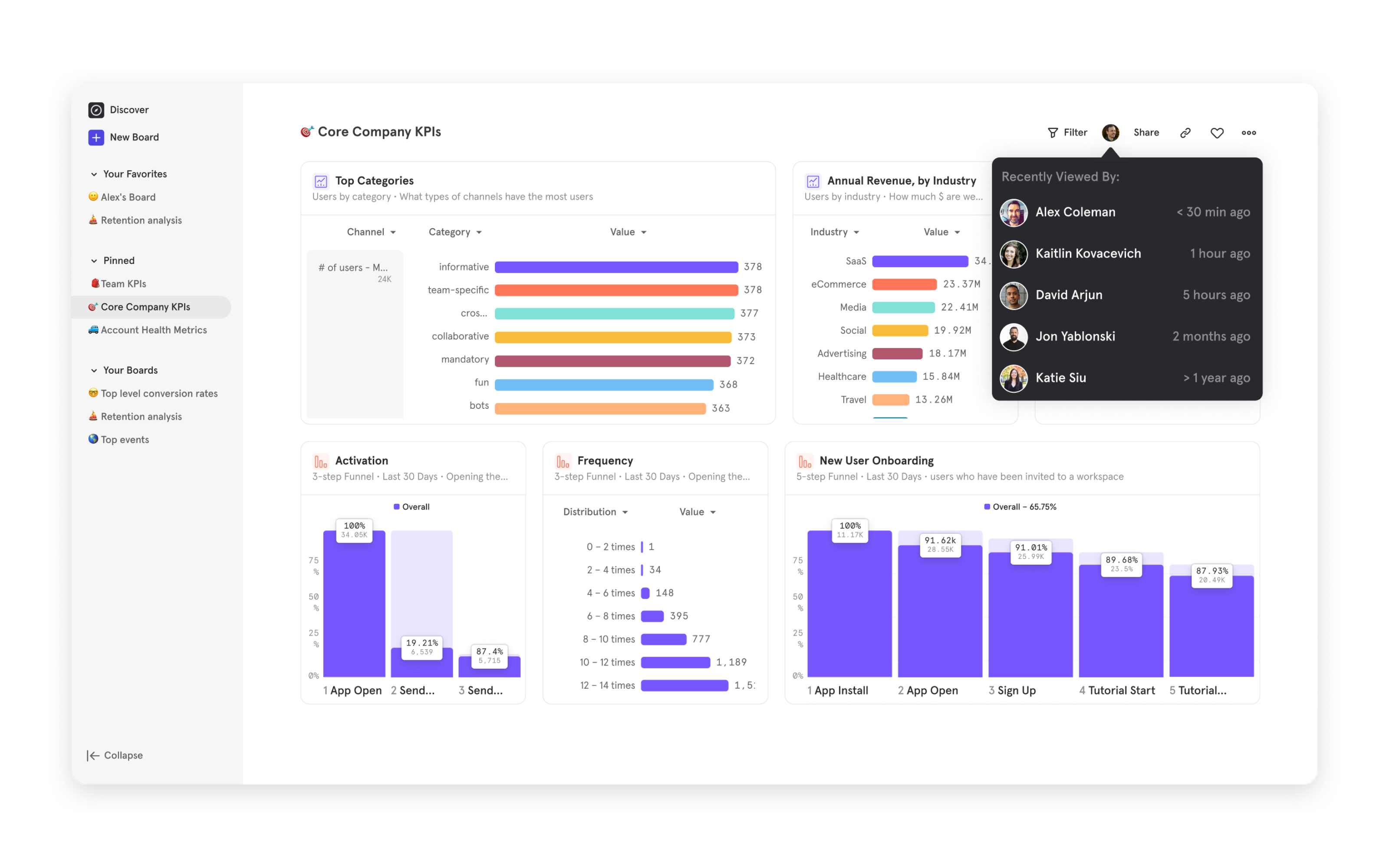
The first myth is that design systems are only viable at large organizations. They aren’t. Systems may take a different shape at every company, but their core purpose doesn’t change: raising efficiency, ensuring consistency, and fostering collaboration. Mixpanel’s revamp of its design system, for example, let the company cut costs and improve consistency while making analytics accessible to its whole team.
Trends, standards, and building on what exists
Another misconception is that a system must adopt every current industry technique. Design trends shift constantly and there is no single right approach. Learning from other teams is worthwhile, but chasing the flashiest methods can pull focus from what the system is meant to accomplish. A design system should be functional and goal-oriented, not a showcase of fashion.
The same applies to Google’s Material Design. It is often treated as the industry standard, but it isn’t one-size-fits-all. A system should reflect the brand’s own identity and be tailored to its users and organizational goals — a balance between accepted standards and the right fit for the organization at a given moment. Teams looking for reference points can explore design systems and UI kits in the Figma Community, including Uber’s Base, Google’s Material 3 Design Kit, Spotify’s Backstage UI Kit, Pipedrive’s web app component library, the Microsoft Teams UI Kit, and Salesforce’s Lightning components for web.
You don’t have to start from zero
A related myth holds that a design system must be built from scratch. Plenty of open-source resources are available, and if something already published fits the need, teams can use it and customize it. Building on existing work is a practical and efficient approach, not a compromise.
What systems do to — and for — creative work
The claim that design systems stifle creativity gets the relationship backwards. They create clarity by establishing a solid foundation, which frees designers to spend their effort on unique problems and user experience. The system is a launchpad rather than a set of guardrails; the point is streamlining the process, not curtailing the creative work. Headspace’s design system, built with variables in Figma, produced time savings of up to 50% for some workflows.

The role is broader than component work
Finally, there is the assumption that designers on a design systems team spend their days building components. Benevity designer Owen Anderson’s account of a day in the life on such a team shows otherwise. Design system designers act as strategists behind the system’s development, champions of its adoption, and connectors between teams — a role that calls for holistic thinking and a wide range of responsibilities.
The common thread is adaptation: a design system should fit a team’s own creative landscape rather than conform to preconceived notions. The path looks different for a team exploring the basics and for one building the next globally recognized framework, and each is unique.