Practice: Figma's print magazine turns its lens on craft

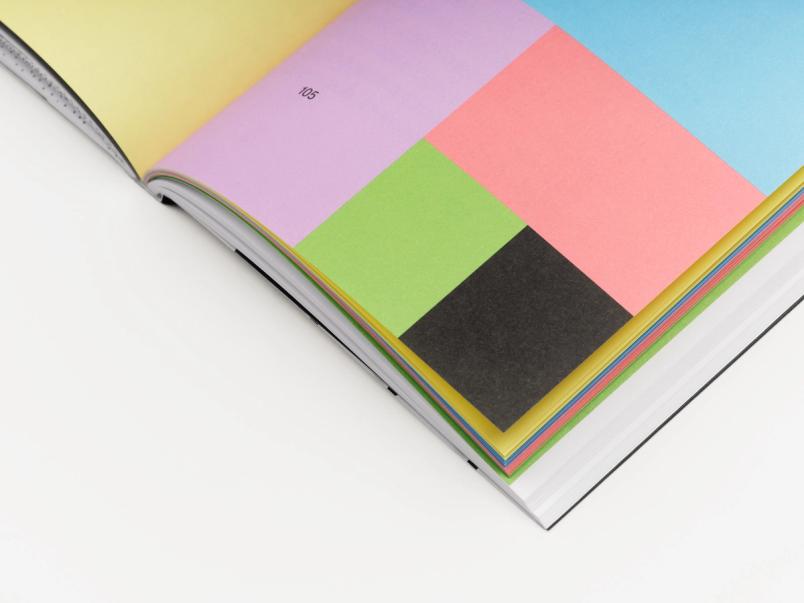
Figma's annual Config magazine returns for a third edition. Titled Practice, this year's issue examines craft: what it means to make with intention, and how patience, precision, and a willingness to push boundaries shape the work. The print edition debuted at Config 2025, designed by studio Other Means in collaboration with type designer Kia Tasbihgou.
"The question is not just, can you make it work? It's how it works that actually matters." — Figma Co-founder and CEO Dylan Field
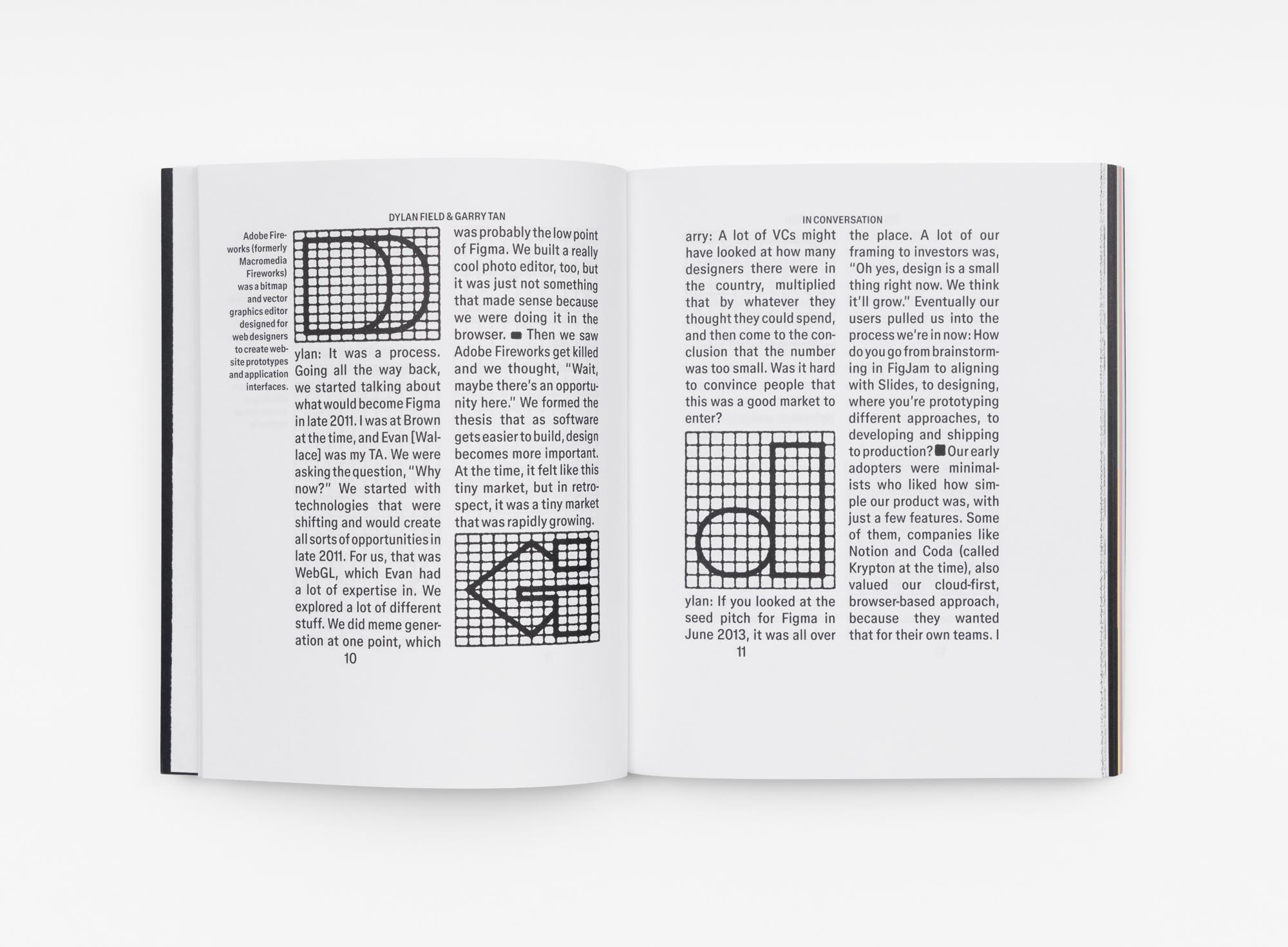
According to Dylan Field, who discussed the theme in conversation with Garry Tan, craft isn't just about function — it's about the quality of the making itself. That sentiment guided both the content and the visual direction of the book.
A book rooted in tradition, built for the digital age
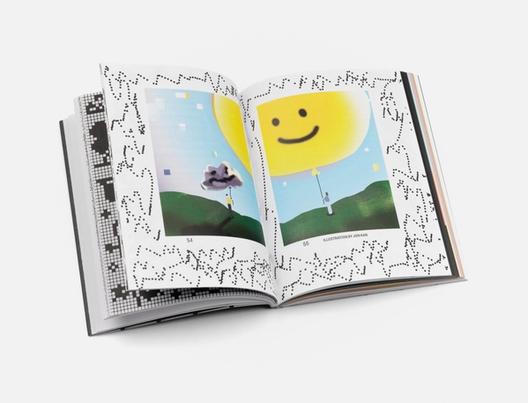
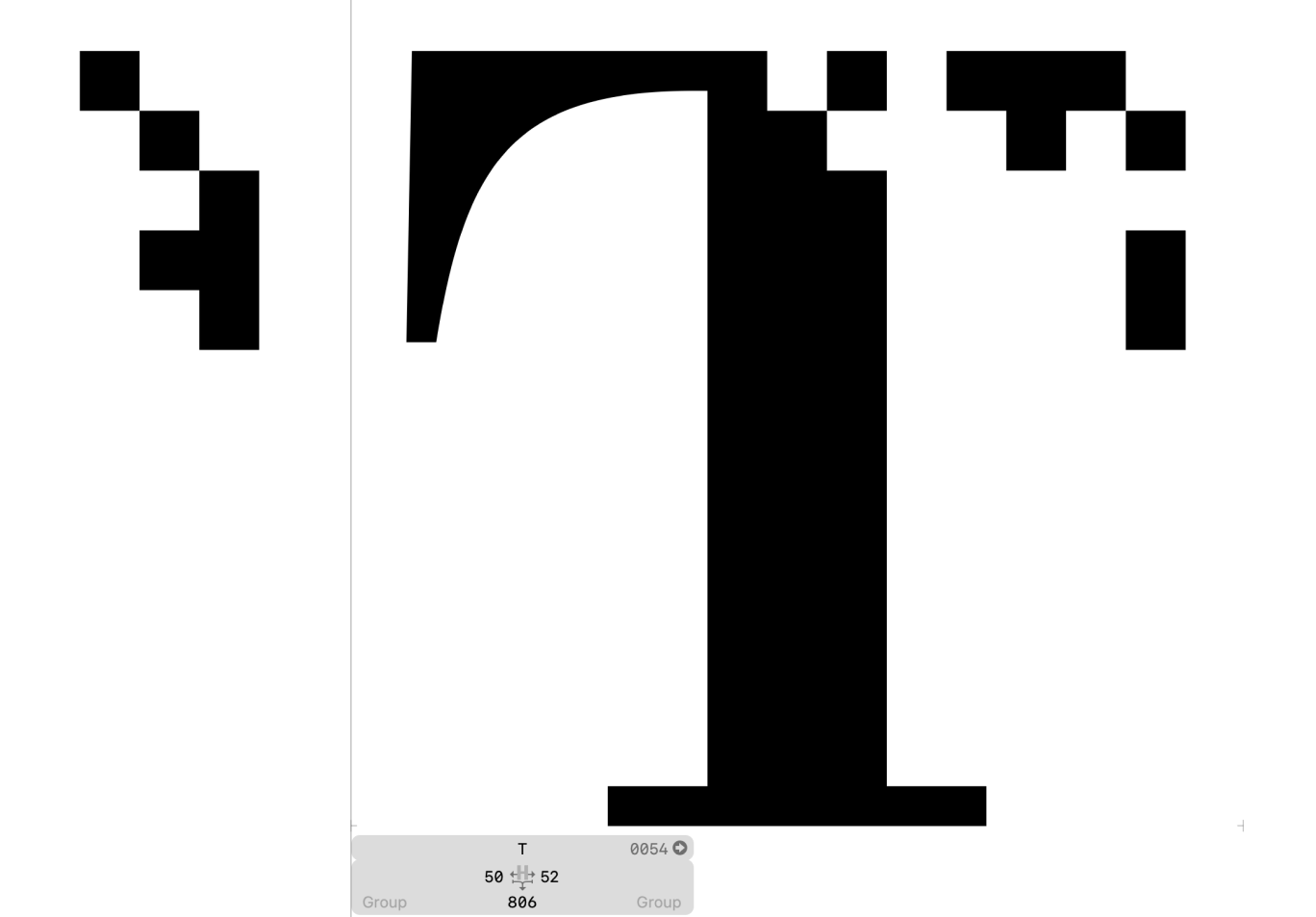
The design team at Other Means looked to an unlikely source for inspiration: William Morris and the Arts and Crafts movement. Morris' Kelmscott Press pursued what it called "exceptional intrinsic quality and artistic taste," an anti-industrialist stance that resonated with the magazine's theme. That influence shows up in the book's visual identity through contemporary reimaginings of initial caps, fleurons, and decorative borders. Dropcaps drawn by Kia Tasbihgou nod to historical typesetting traditions, anchoring the articles and essays in a bookish format.
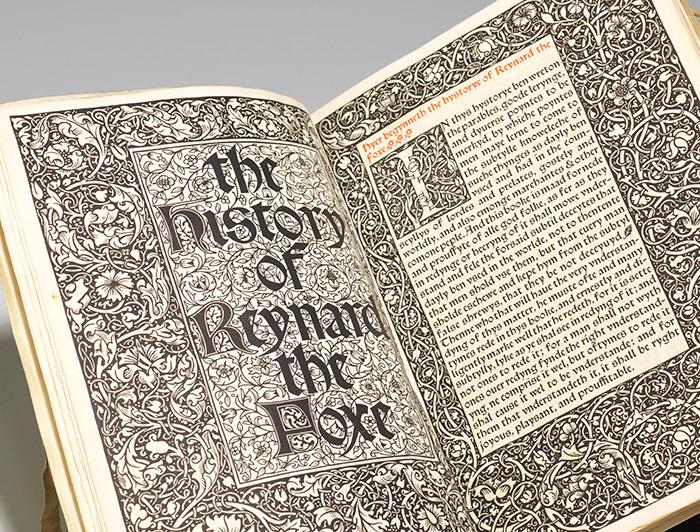
The result is a design language that holds two ideas at once: craft is rooted in tradition, but it's also driven by innovation. Many contributors work in screens, pixels, and data, yet they share common ground with makers across disciplines. The universal elements of craft — patience, observation, intentionality — transcend the medium.
More than a book
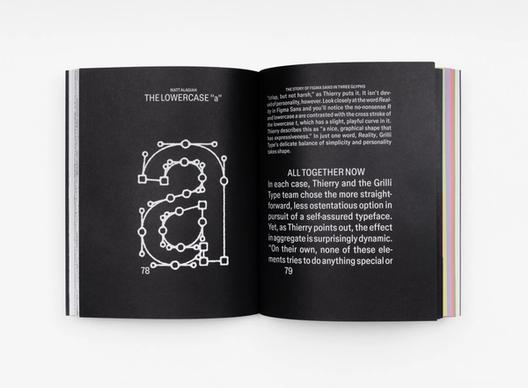
Practice extends beyond print. The dropcaps from the book were developed into a full typeface, now available as a font. A type specimen built on Figma Sites showcases the complete alphabet of distinct characters.

On the adaptation of craft
Well-made things come from people who commit deeply to the making. The first set of articles in Practice follows makers who found creative ways to translate physical mediums into digital worlds.
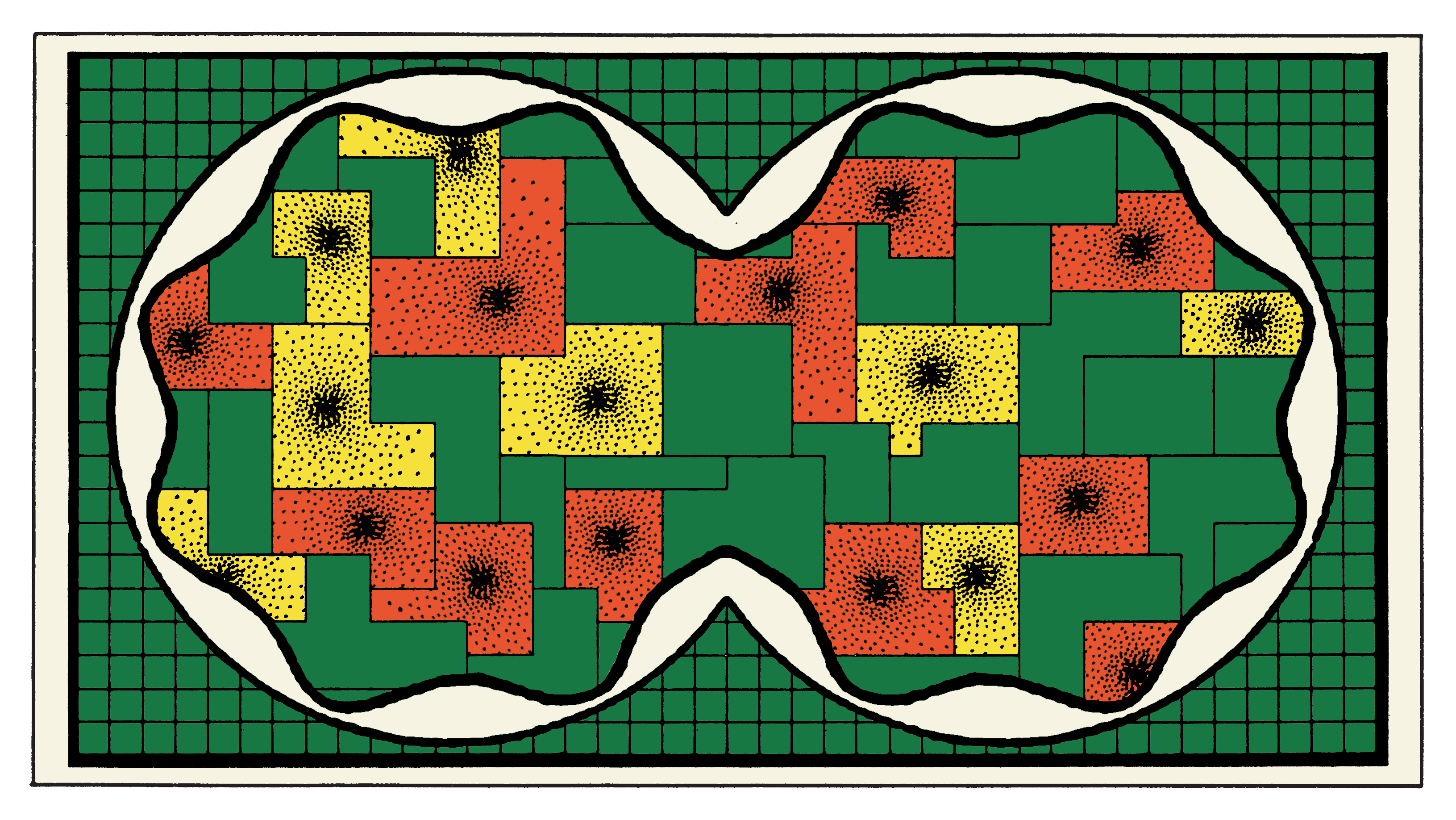
One team took on the challenge of designing an app flexible enough to cover 431 national parks and monuments, adapting the Unigrid design system Massimo Vignelli created for the National Park Service in 1977. The result moves the iconic paper brochure system into a digital interface.

Elsewhere, creatives are bringing Figma into specialized analog spaces: underground music zines, album art, independent radio, and risograph printing. Along the way, they're building new connections to their communities.

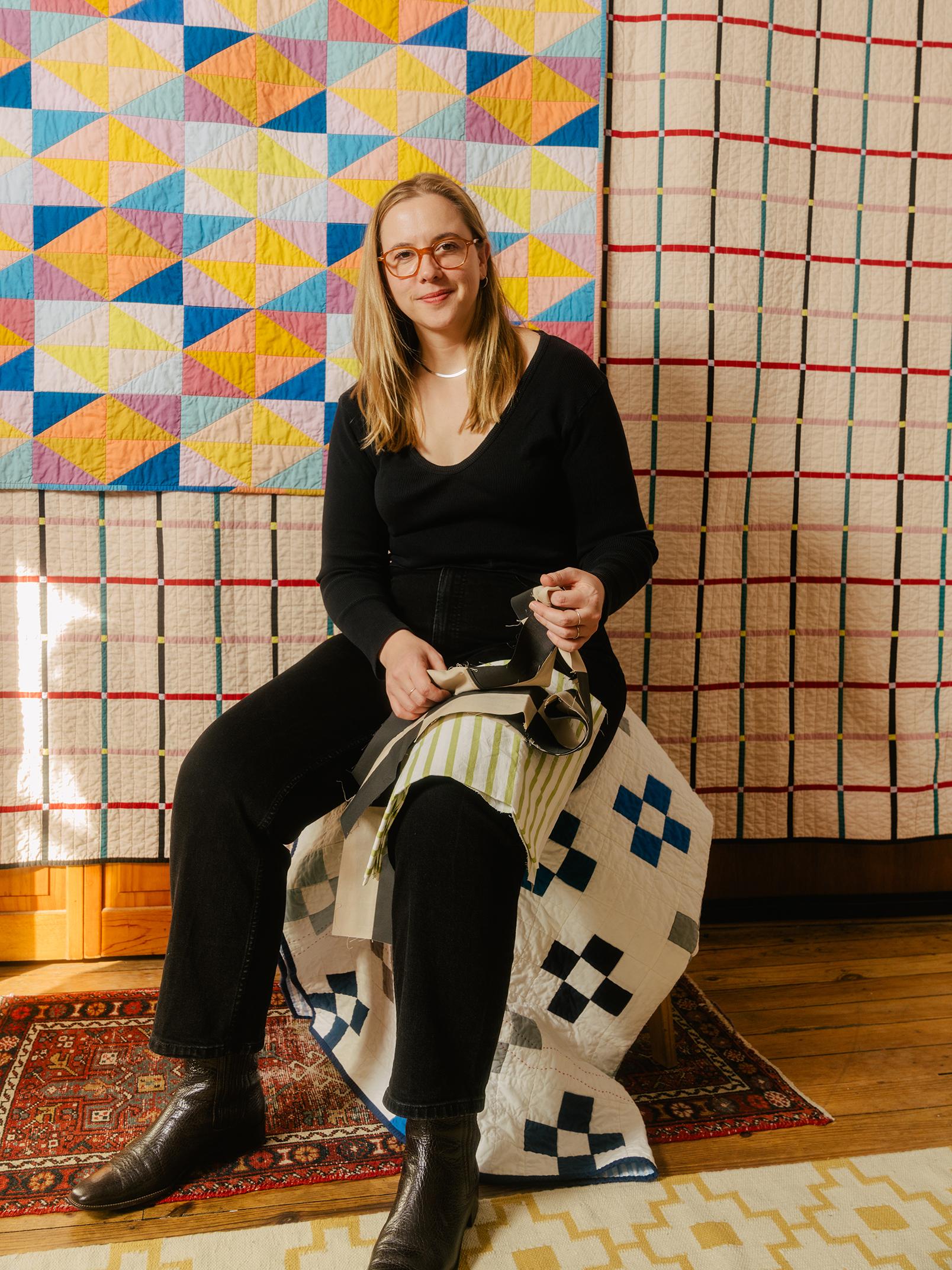
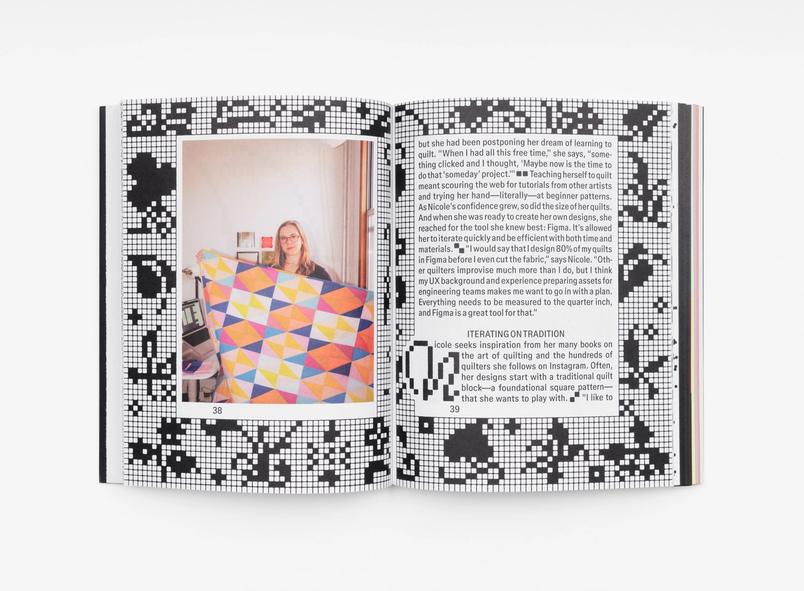
Former product designer Nicole Boettcher now applies her Figma skills to quilt design, giving new meaning to drawing rectangles in the tool. Designer Advocate Laura Fehre's vision for a digital nail salon required letting go of perfection and embracing play.

On the iteration of craft
A final product is defined by iterations and explorations that never made the cut. These pieces zoom in on the creative process, revealing how well-crafted things emerge from a symphony of minute details.
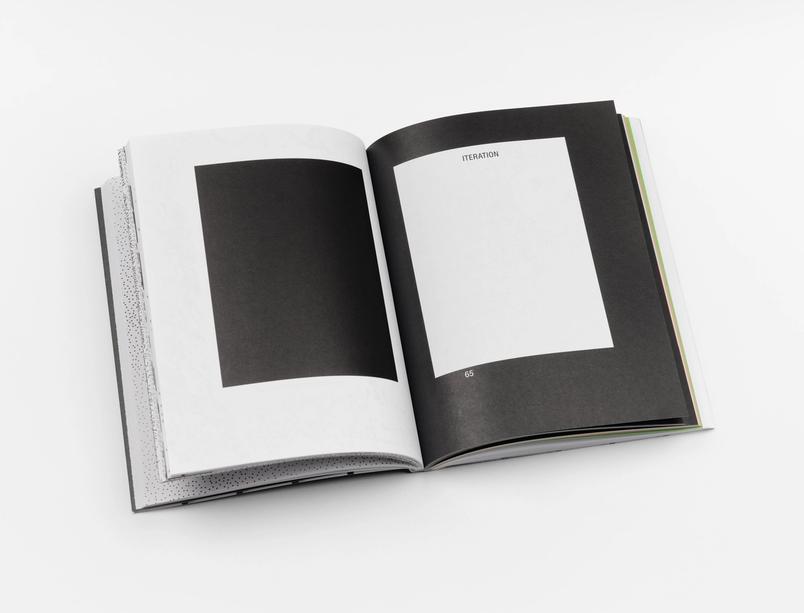
Two Figma brand designers, Maria Chimishkyan and Jefferson Cheng, discuss their approach to art direction — a balancing act of guiding and trusting that they compare to casting directors for a film. The team behind the Figma Sans typeface explains how a brand refresh led to a new opinioned grotesque, and why the difference lives in the details.
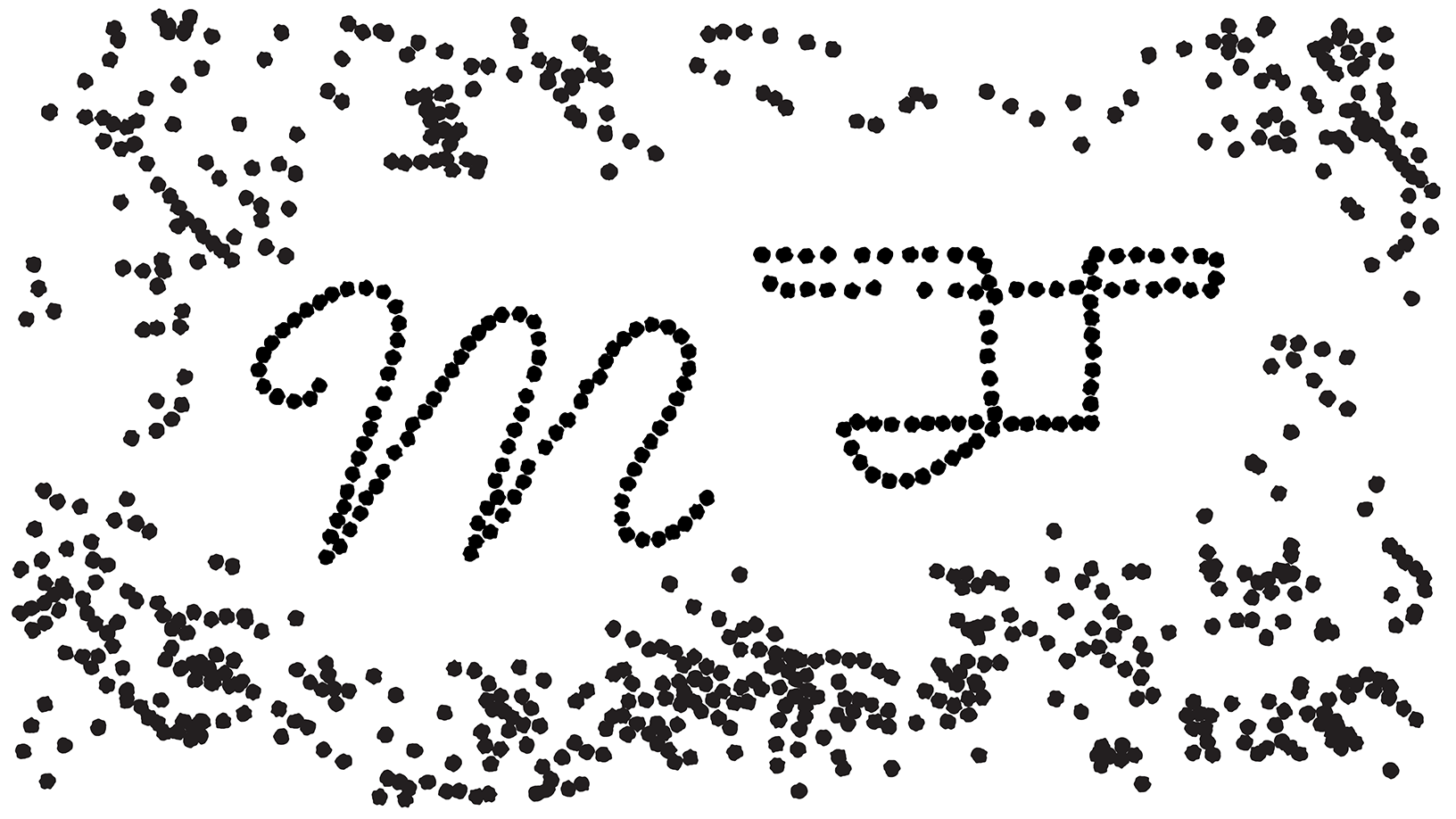

Two other stories dig into the version-control mindset. Design and engineering teams iterated and prototyped through unexpected challenges when adding a horizontal scroll bar to the Layers panel. And UX Writer Henry Freedland explains how a single misplaced verb can lead users astray — and how carefully chosen words clarified a new prototyping feature. A separate piece documents the journey from autocomplete to AI-powered search in Figma.
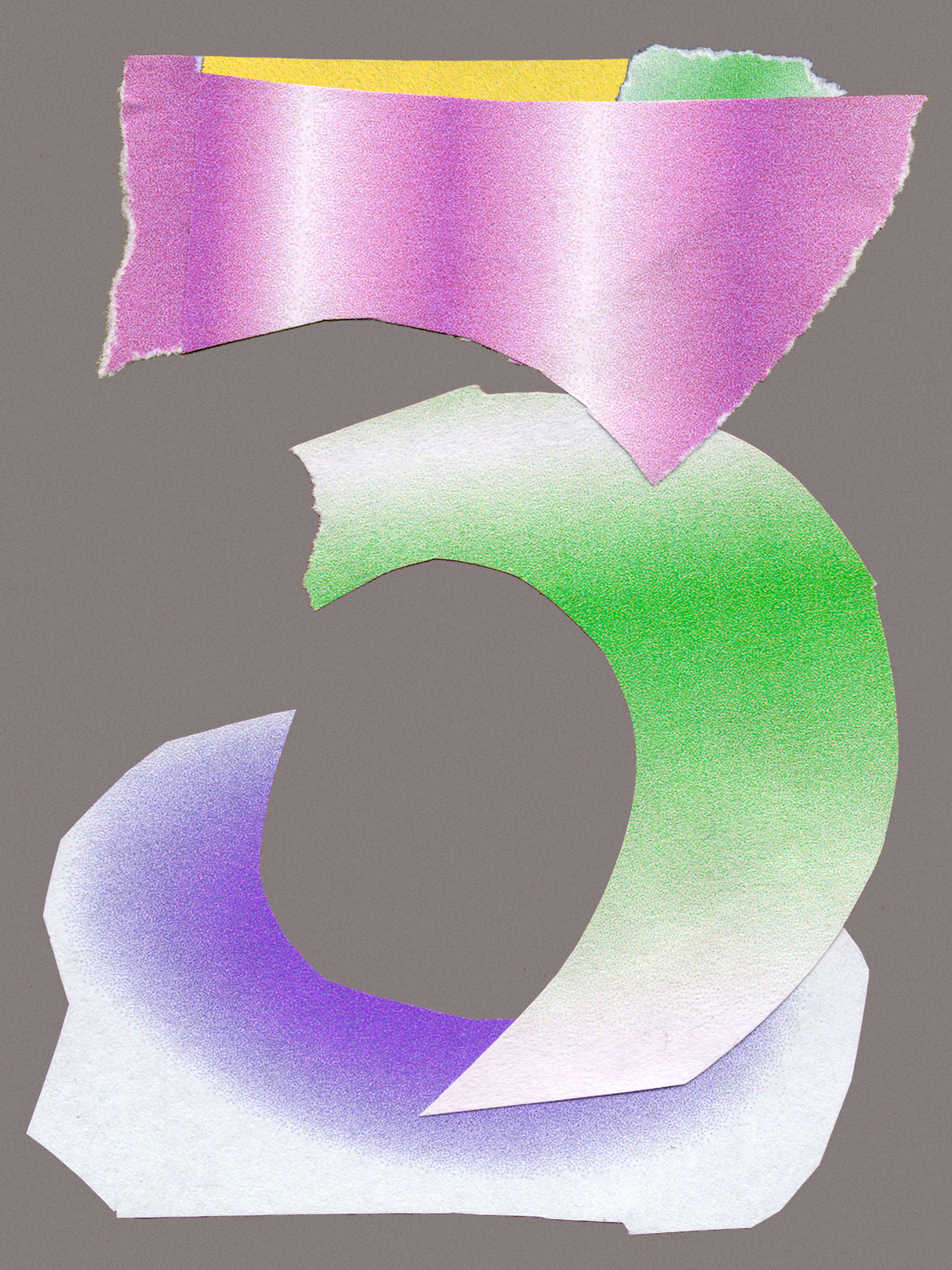

On the application of craft
Even experienced makers benefit from building structure and intention into their practice. These articles offer practical approaches to sharpening craft, from storytelling to product quality.
Ebi Atawodi, Director of Product Management at YouTube Studio, shares a simple framework for writing vision statements — storytelling as one of product development's most powerful tools.
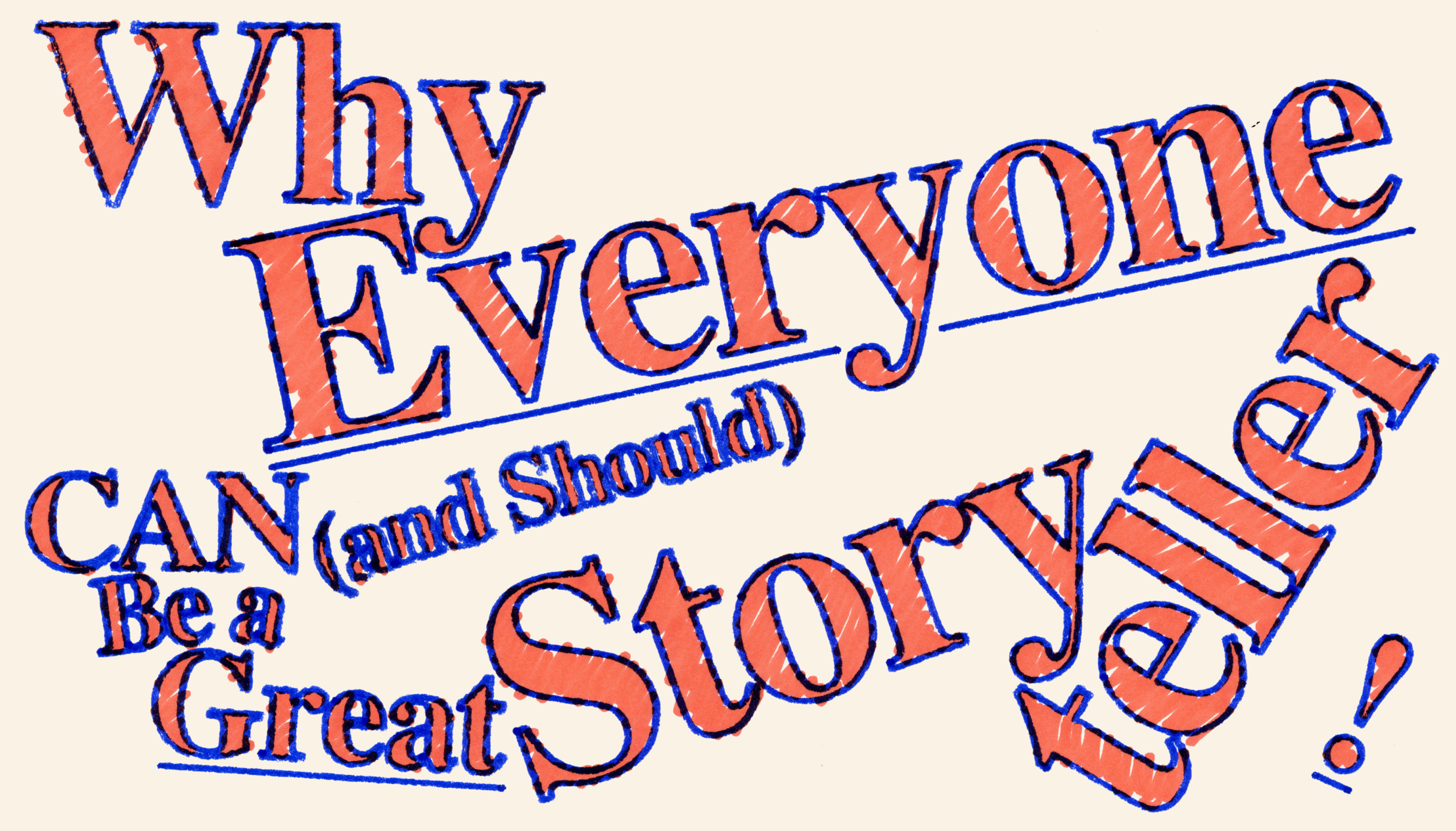
Effective storytelling bridges imagination and reality, but knowing where to start is often the hardest part. A guide for would-be storytellers walks through taking that first step, whether the medium is a Slack message or a PRD. For engineers, Figma's internal "eng crits" offer a feedback model that sits between a technical review and a design critique.
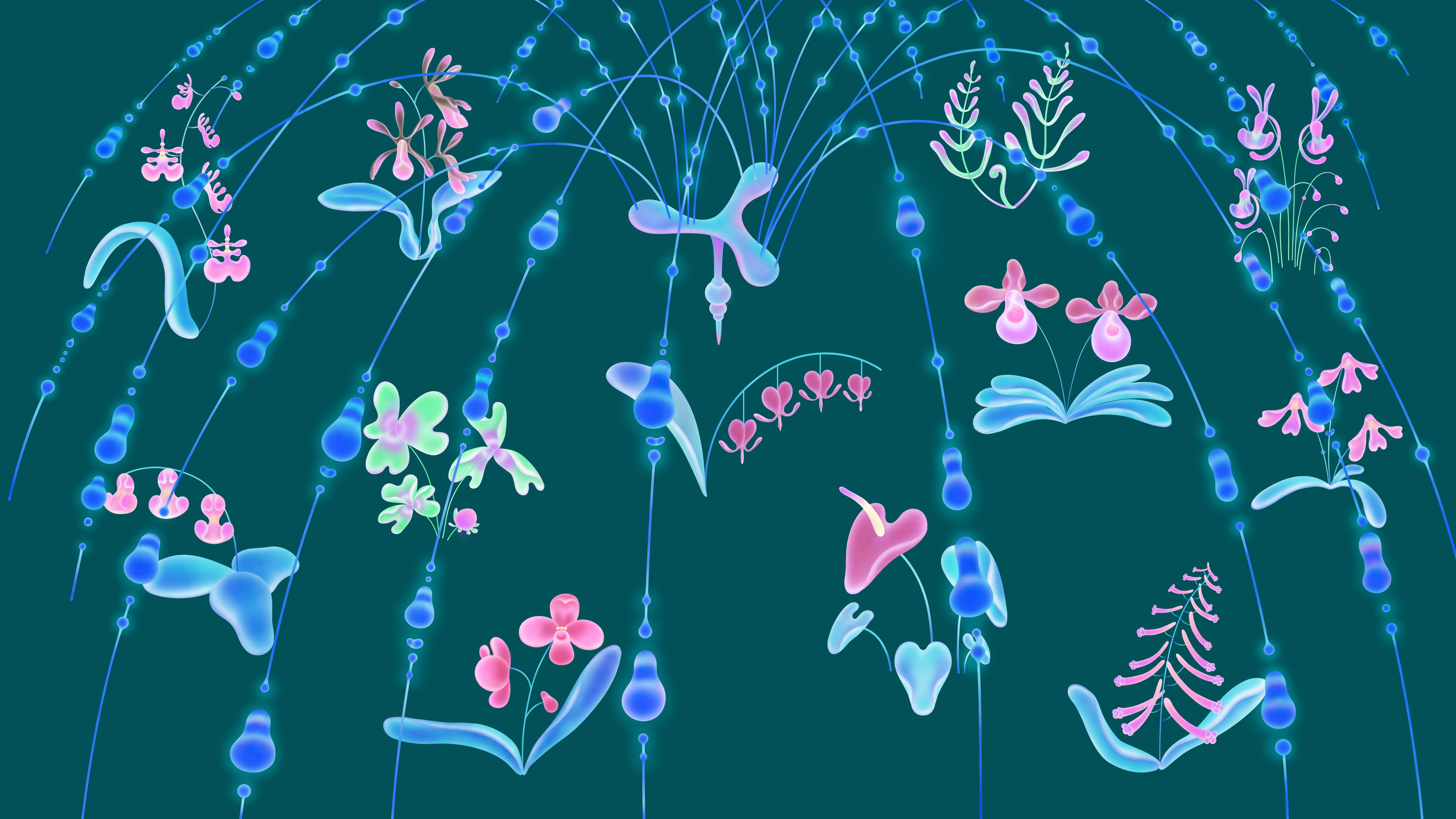

Karri Saarinen, Linear's Co-founder and CEO, makes the case that quality is a key differentiator in a crowded market. He shares how he operationalizes craft at Linear and empowers his team to trust their intuition — even when that means ignoring the data.

Finally, a piece on product roadmaps argues that in an evolving landscape, the only constant is change. The guidance: know when to pivot, adopt a more fluid approach, and hold roadmaps loosely.

Craft as a competitive edge
The closing essays in the collection are less about technique and more about the emotional payoff of deliberate work—how craft can shape perception, build loyalty, and even redefine a company's goals.
The business case for joy. Atlassian didn't set out to optimize developer velocity; they set out to cultivate "developer joy" as their north star metric. The result was not just better code, but better company performance, proving that an emotional goal can be a practical one.
Emotion as a moat. In a market crowded with apps, features are a commodity. Figma's Head of Insights, Andrew Hogan, argues that the real differentiator is resonance—the cumulative effect of copy that clarifies, motion that delights, sounds that soothe, and haptics that respond.

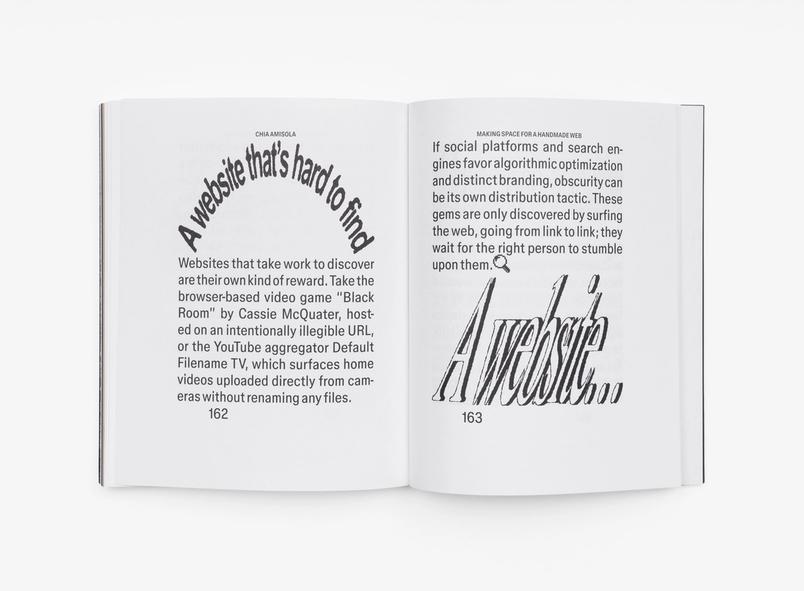
The handmade web. Figma Product Designer Chia Amisola points to a growing resistance to the homogenized internet: a resurgence of small, handcrafted sites. Joining that movement, they argue, is as simple as making something for yourself and putting it out there.
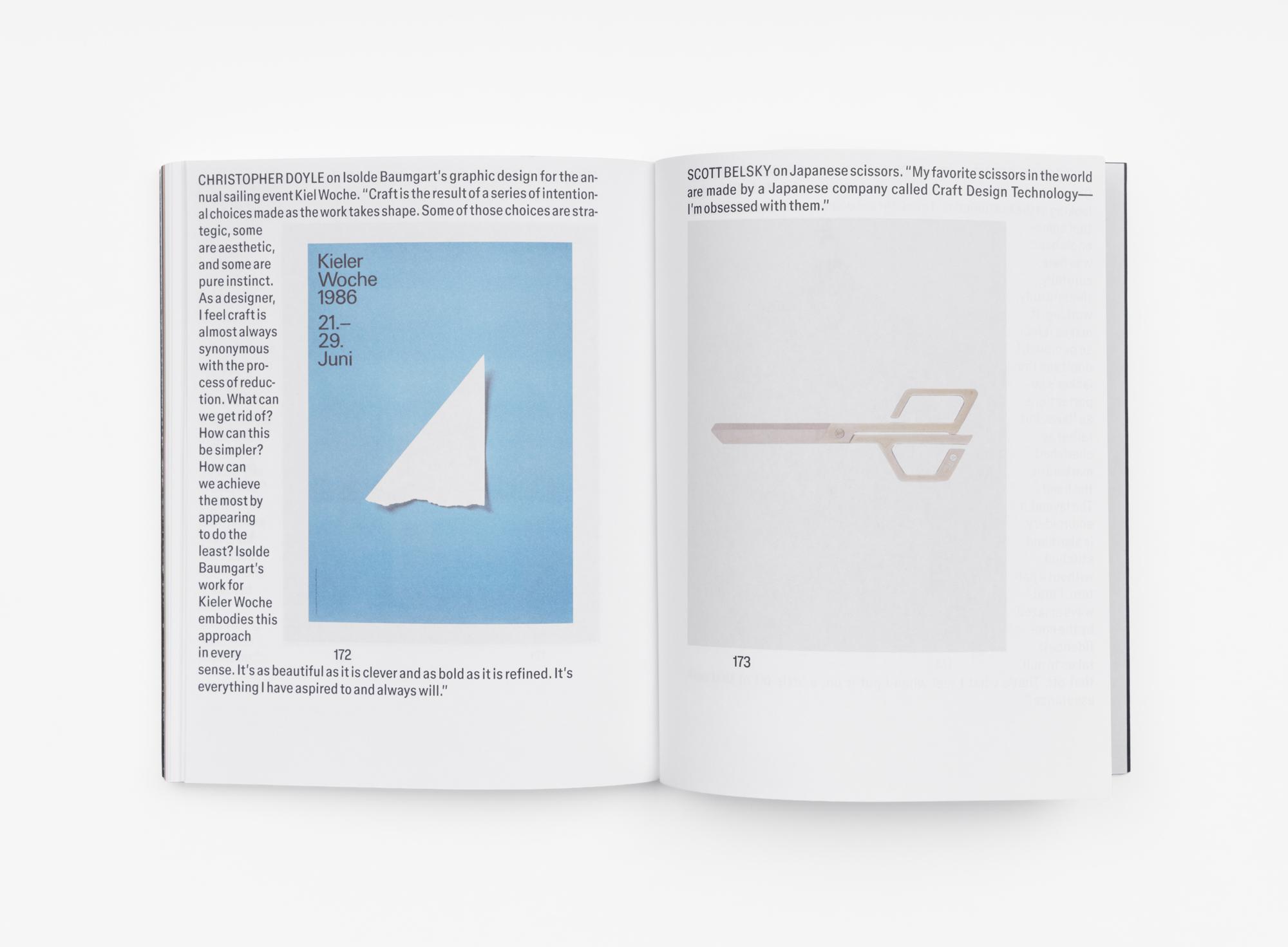
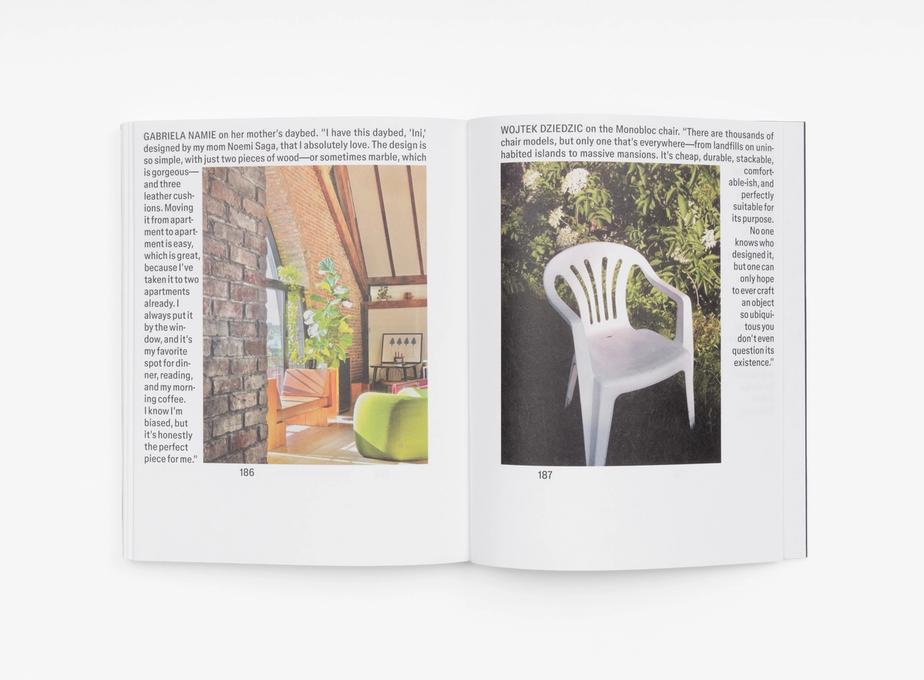
Alongside the book, the team asked designers to nominate a single artifact that embodies craft for them. The responses—a varied collection of objects and works that speak to making with intention—are collected in a companion post.
As AI accelerates production, the collection closes with a simple assertion: craft will matter more than ever. It is the line between automation and artistry, between the functional and the truly well made.

Amber Bravo is the Director of Story Studio at Figma. Her background includes writing and editing roles at Google Design, Herman Miller, The FADER, and Dwell Magazine.