From a train lunch to a flatware brand
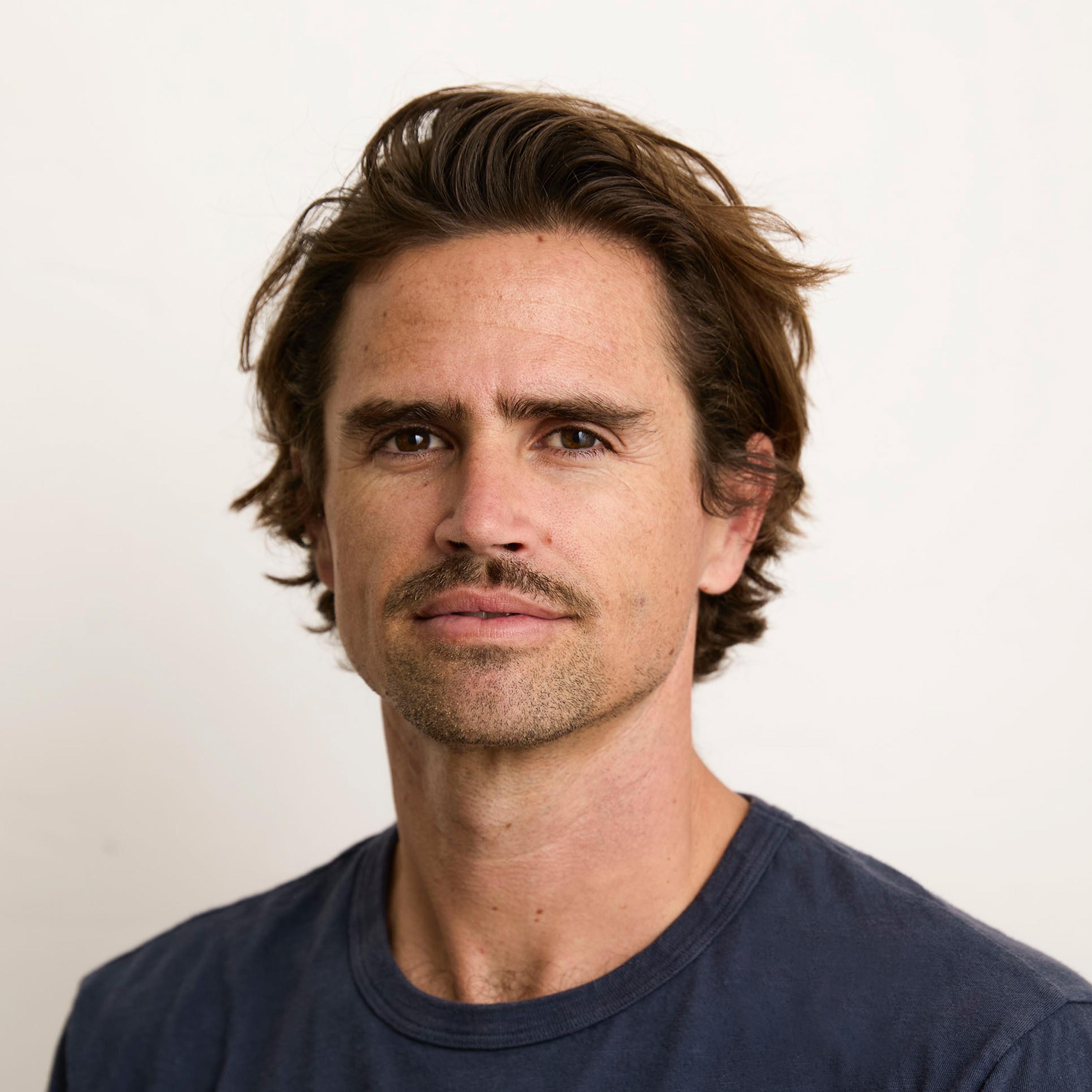
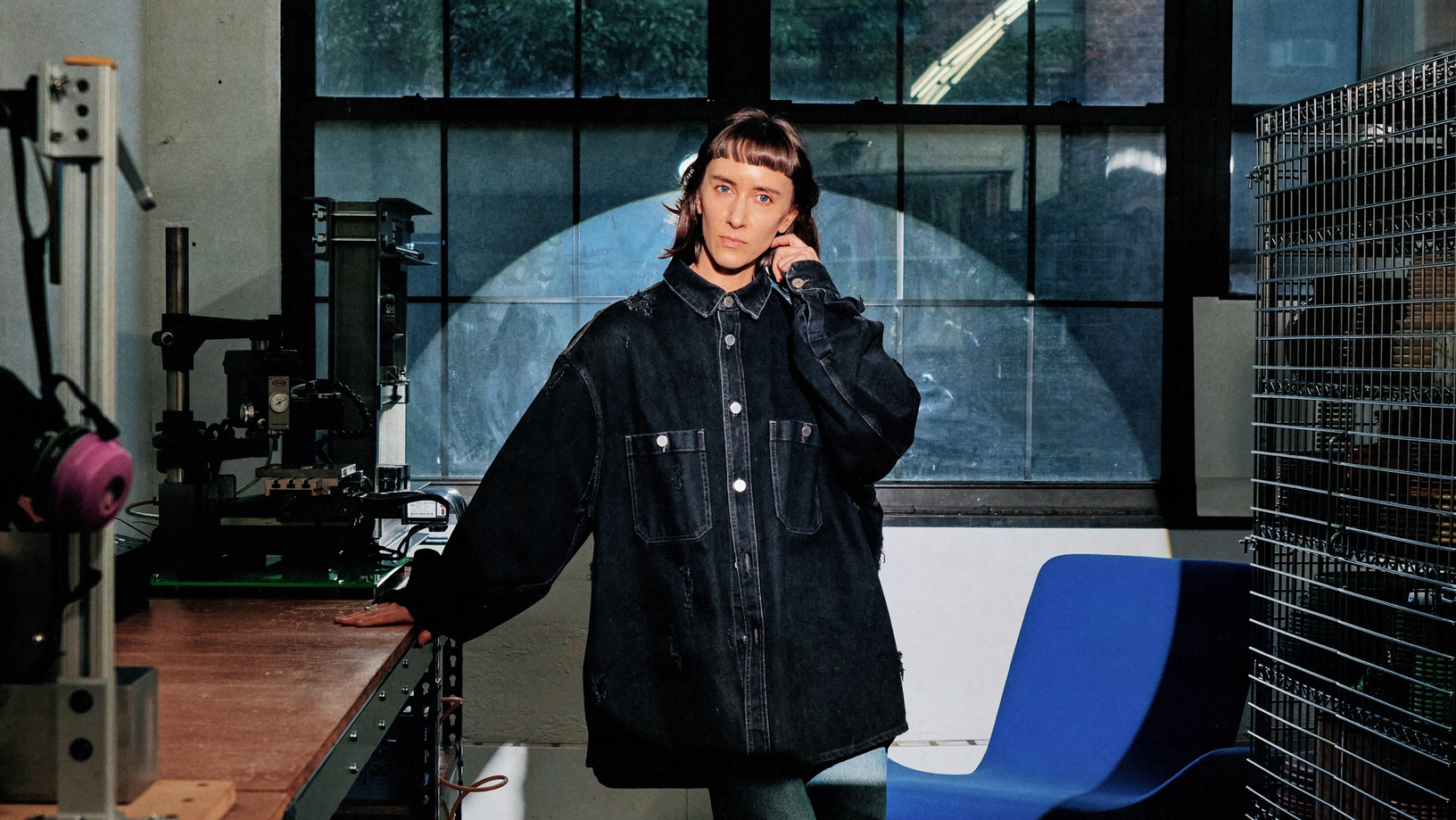
In 2019, creative director Kelsey Fairhurst found herself on a train from Brooklyn to New Haven, needing a portable fork with a removable cover for her lunch. Back in her makerspace, she laser cut one from a purple acrylic sheet. The experience stuck with her. "It gave me so much energy to use something physical to make something physical," she says. That spark led her to build Forks Plus, a Brooklyn-based "softline brutalist" stainless steel flatware brand characterized by sculptural silhouettes, exaggerated hardware, and colorful handles—a natural extension of her work curating midcentury dishware under the banner of dishware.nyc.
On the digital side, Fairhurst uses Figma to design her web, email, and social media marketing materials, a process she describes as tactile in its own right. "There's a hands-on feel within the program that I haven't found with others, which is how I work best," she says.
Prototyping at scale
Moving from a single prototype to a viable business proved challenging. With only one flatware manufacturer left in the U.S., Fairhurst had to find ways to produce on a much smaller scale. Her research process was methodical: "A lot of how I got where I am came from Googling for a year straight, from how to approach a technique to who I should contact," she says. She cold-emailed machinists and powder-coating factories, eventually hearing back from Garry Yarowski of Servo Products, a shop minutes from her aunt's house in Cleveland. "When he learned about what I was doing, he took me under his wing," she says.
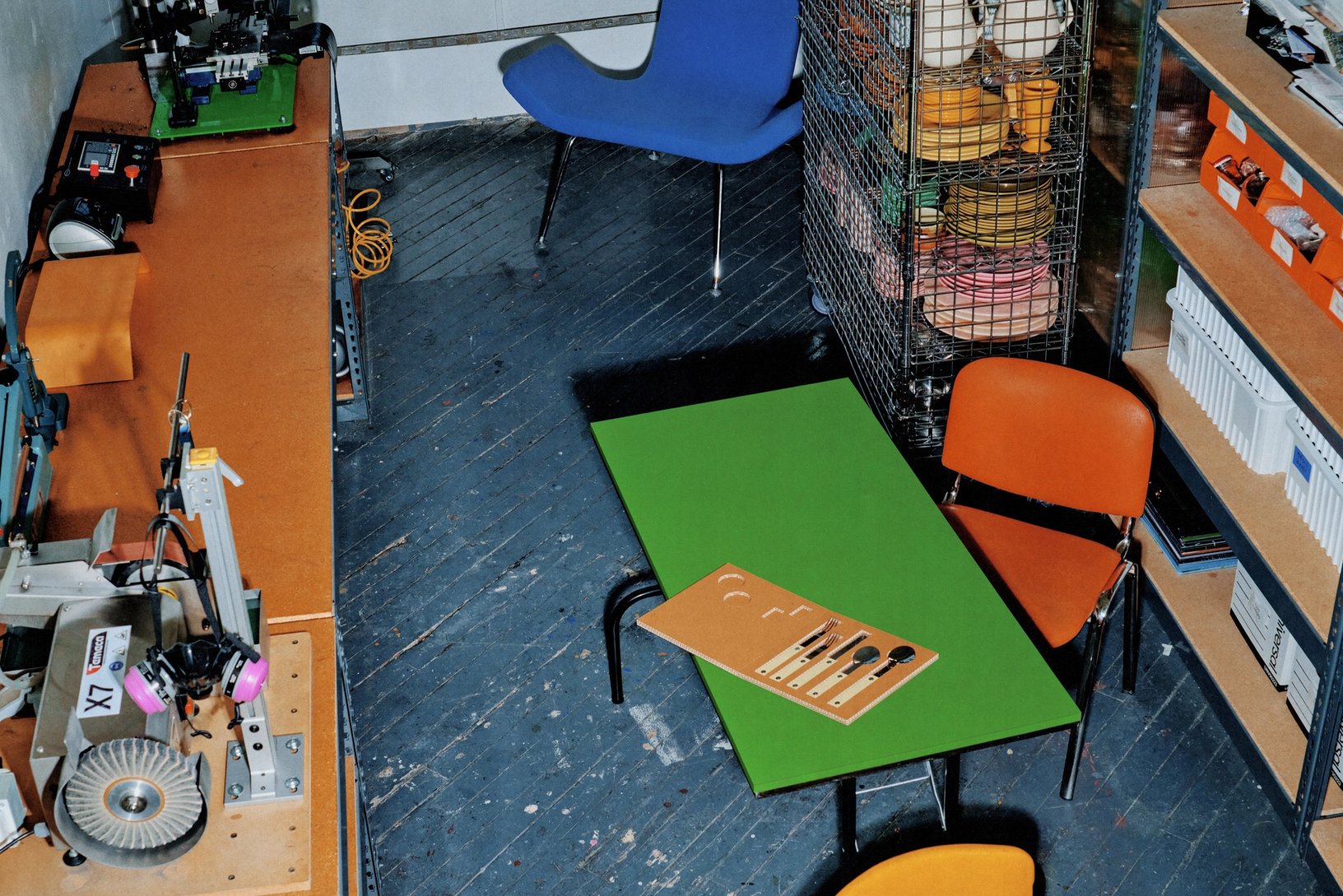
Fairhurst made repeated trips to learn how to operate the benchtop CNC machine Garry built for her, including crash courses in G-code—the language that directs CNC machines and laser cutters on movement, direction, and speed. Back in Brooklyn, she ran slow, costly experiments. Counterboring rivets into flatware handles requires a carbide tool costing $300 a pop, and mistakes are unforgiving: "If you enter the wrong code, and it falls on the wrong angle, it'll shatter," she says. "You have to drill .05 inches into the metal so it sits flush with the rivets. That took me two-and-a-half years to figure out." The payoff has been substantial: counterboring two holes once took 46 minutes; it now takes under a minute, and she can process 250 handles a day.
The making of a single fork
Counterboring is one step in a longer production chain. Fairhurst's studio features commercial kitchen-style speed racks holding trays of flatware awaiting treatment. A factory laser cuts the blanks, and Fairhurst deburrs them in-house with a belt grinder to remove protrusions and smooth rough edges. A hand-operated 20-ton hydraulic press forms the bowls of spoons and tines of forks on dies designed in 3D CAD by her partner, Bryant Wells, who also designed and built the Forks Plus website. Knife serration is handled by a Spanish-designed machine. For powder-coating handles and polishing, she works with regional partners possessing specialized equipment.
At the high end, Fairhurst estimates one stainless steel fork takes roughly 30 minutes to produce, from laser cutting in the Midwest to final assembly in her studio—a notable improvement from when counterboring alone was a lengthy ordeal.
Designing the visual identity in Figma
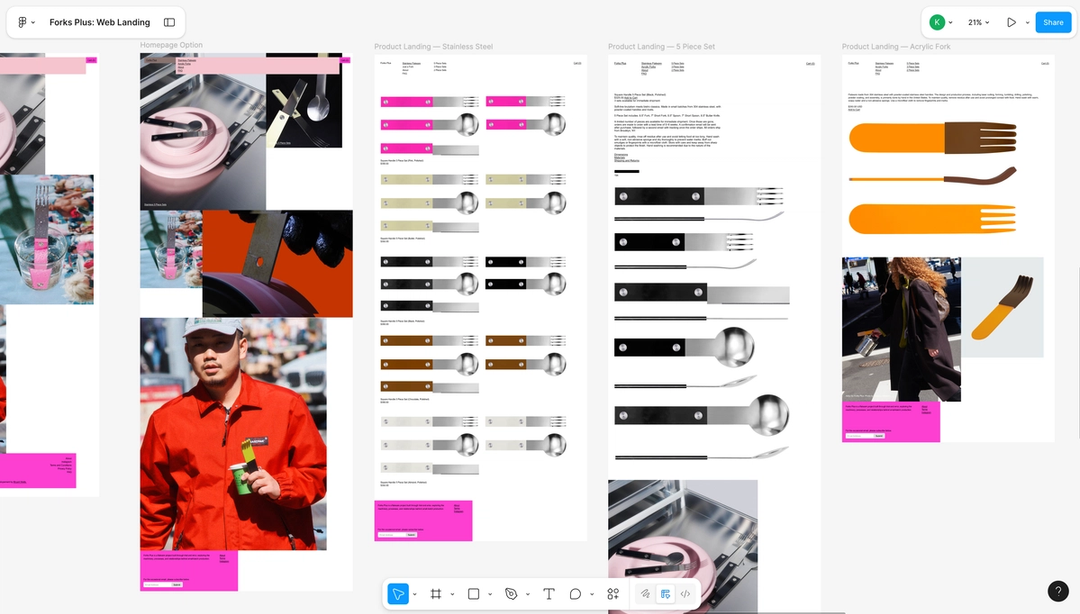
Getting flatware into buyers' hands required a sharp visual strategy. "People respond to images first," Fairhurst says. "Compelling imagery improves the whole social experience, not just ads." For that task, she relies on Figma's "hands-on feel" to organize and manage assets across Instagram and the Forks Plus website.
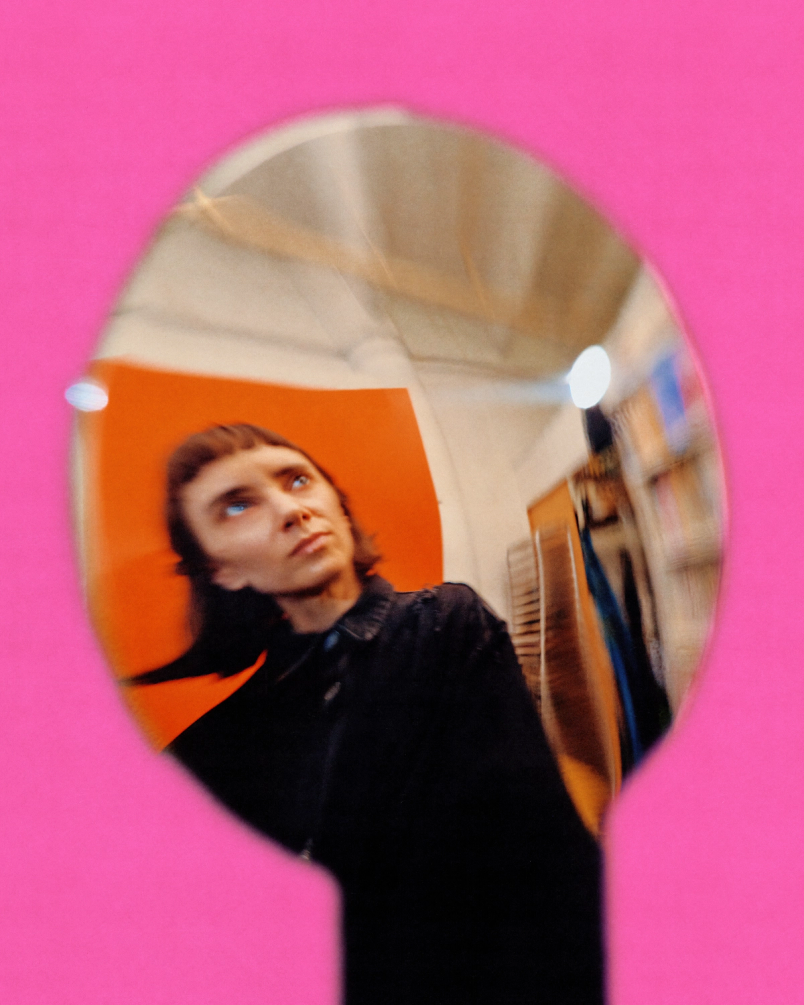
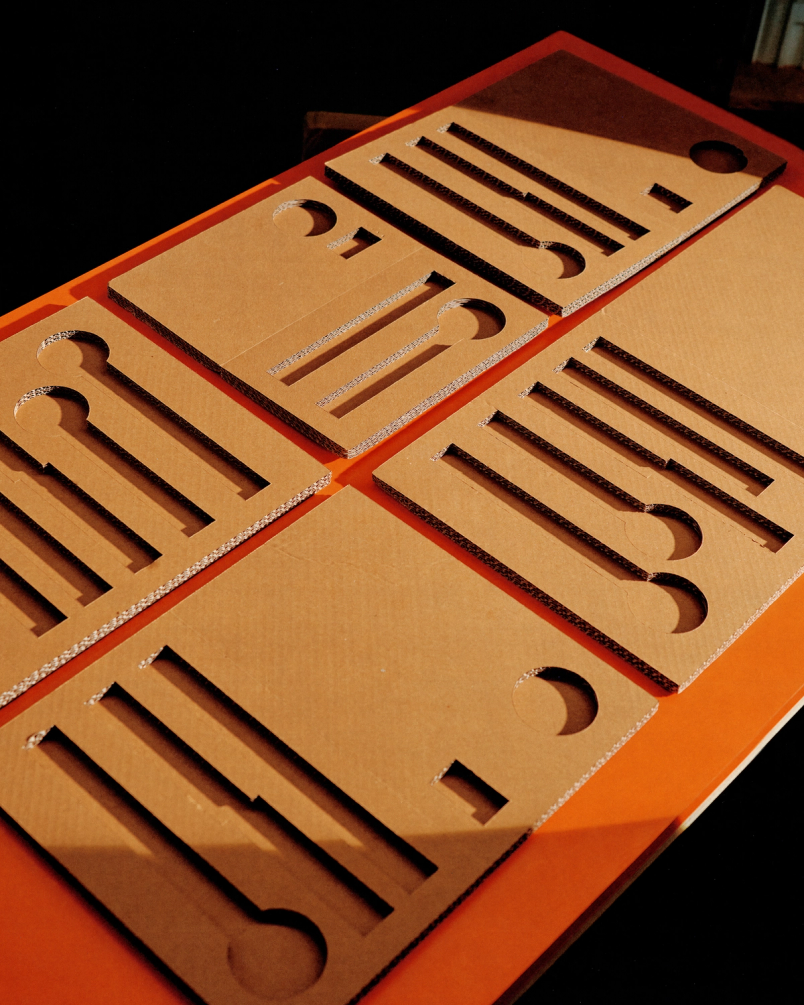
Fairhurst uses Figma like a physical moodboard, dropping thousands of quick smartphone shots and editorial images from production runs into a single file to curate layouts. "If I put this many images into another program, the file wouldn't even open," she says. "The speed of the program alone is a game-changer." The infinite canvas lets her maintain a zoomed-out view of her assets alongside layout grids and brand notes, iterating freely without the friction of a website builder.
Figma also supports her collaborative work with photographers. She builds moodboards to telegraph a vibe for art direction, then leaves comments back and forth, zooming into details before pulling back to review the full spread. "You can't do that in email," she says. "Figma has a secret sauce that other programs can't duplicate."
Documenting the origin story
With production and creative workflows streamlined, Fairhurst is now organizing Forks Plus's origin narrative—the acrylic train fork that started it all. "This is where Figma really comes into play," she says, "because I have over 10 albums on my phone of the process from the start until now." A dedicated file stacks process images three wide in a long flow, though she notes, "even what I'm showing you now, I cut out 85%." The maker's journey rollout will include Super 8 video clips arranged as a storyboard in a separate tab, allowing her and a collaborator to refine the narrative.
Fairhurst is also shifting focus toward the business side, exploring coffee spoons and serving utensils for the flatware lineup, and has held conversations about wholesaling acrylic forks in Korea. "It's just a different beast now because I'm trying to build something that can sustain me and work with wholesalers to extend my reach," she says. "It would be nice to make this a career that I can feed myself with."