Behind the build: what shipped this quarter
The theme running through this installment is process — specifically, the willingness to expose unfinished work (rough sketches, open questions) so that others can build on it. Below are four write-ups from Figma's teams that take that idea seriously, covering brand identity, workflow change, generative features, and research methodology.
A visual language that embraces imperfection
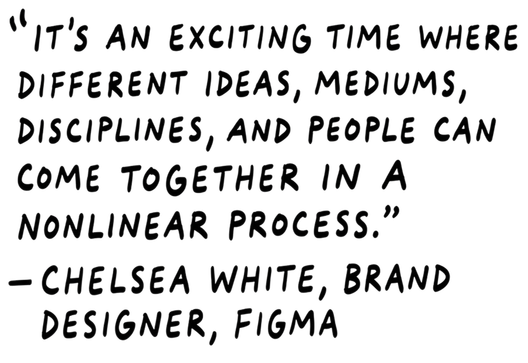
For Config 2026, Figma's Brand Studio turned to Figma Make to help develop an identity described as "perfectly imperfect" — a look intended to reflect the human ways people remix and reinvent while working alongside AI tools. Digital tooling makes polished output easy; this project pushed deliberately in the other direction.
What nested folders changed about handoffs
Figma's nested folders feature ships with a collaboration story attached. An engineer, a designer, and a product manager describe how building it reshaped their assumptions about their own roles — from treating code as a proposal to replacing handoffs with conversations.
Getting shaders into Figma
Product Designer Rogie King set out to bring shaders to Figma, and the first problem was organizational rather than technical: assembling the right team. His account of shipping generative tools covers the pitch, a prototype-first process, and the persistence it took to get the work funded. The release also expands creative control over generative plugins and shaders, and adds a way to share what you've made with the community.
Turning the measurement lens inward
The AI sentiment index was started in 2024 to understand how AI would reshape design and product development. Researcher Shane Johnston explains how AI then helped the team make sense of the resulting volume of data — the study ended up being run with the same technology it set out to measure.
Illustrations by Hannah Schrage. Want the next issue delivered straight to your inbox? Sign up here.