
UX Is a Team Sport, Whether We Admit It or Not
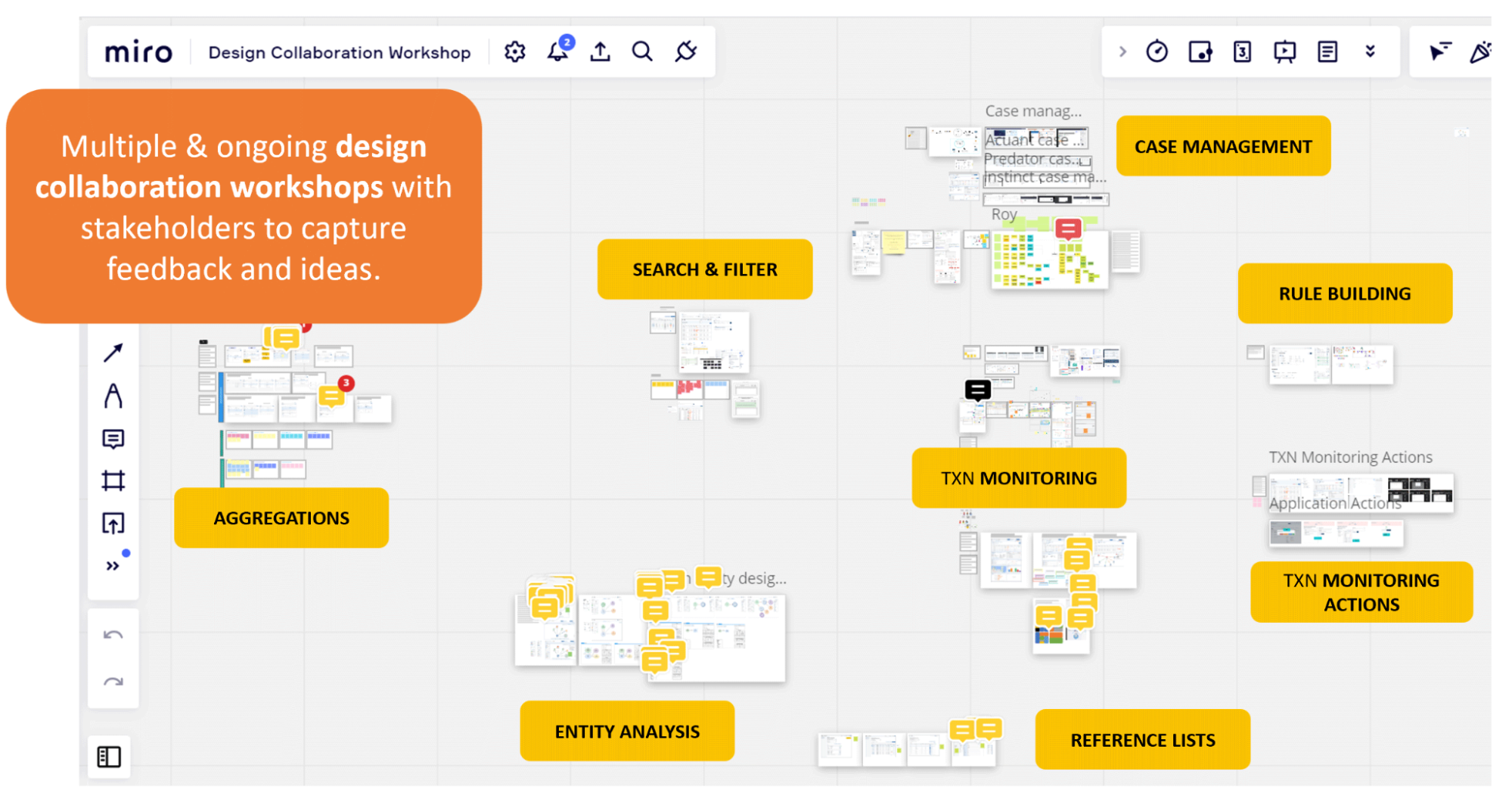
Wireframes, research reports, design systems, pixel-perfect UI—these are the artifacts we celebrate in UX. But after more than two decades in the field, the pattern I keep seeing is that none of it matters without collaboration. Great UX emerges from conversations with engineers, product managers, customer-facing teams, and support staff who live with user complaints every day. The real magic happens in messy Miro boards, cross-functional workshops, and Slack threads where people align, adapt, and build together.
Some of my most impactful career moments weren't spent "designing" in the traditional sense. They came from discussing problems with teammates whose backgrounds differed wildly from mine, brainstorming ideas I never could have generated alone. Ten minds in a room produce ten times the ideas of one. Often, the sheer volume of ideas is the most valuable output—whether it's a team reframing a problem during a workshop, clarifying vague and conflicting feedback, or a sales rep surfacing the same user complaint across multiple conversations.
Why Now? Because Work Changed
The urgency around collaboration stems from how work itself has shifted since the pandemic, as a US Department of Labor study documents. Teams are more cross-functional, more remote, and more complex. Distance makes silos easier to fall into, yet alignment has never been more critical. Collaboration isn't a "nice to have" anymore—it's a core skill, especially in UX where our work touches nearly every part of an organisation.
Cooperation vs. Collaboration: A Critical Distinction
First, let's clear up a common confusion. Collaboration is not the same as cooperation.
- Cooperation: "You do your thing, I'll do mine, and we'll check in later."
- Collaboration: "Let's figure this out together and co-own the outcome."
As defined in Communication Concepts from Deakin University, collaboration means working with others to produce outputs or achieve shared goals, typically resulting in a tangible product or measurable achievement—like solving a problem or making a decision.
A recent project illustrates the difference. I worked on a fraud alert platform for a fintech company, a six-month engagement where we had zero access to users—the product hadn't launched, and the users were highly specialised B2B finance professionals who were difficult to reach. My collaborators were scattered across Malaysia and Melbourne while I was in Sydney.
Rather than treating this as a dead end, we turned inward. We collaborated with subject matter experts, professional services consultants, compliance specialists, and customer support members who understood fraud patterns and customer pain points deeply. Over months of bi-weekly Miro workshops, iterative feedback loops, and sketching sessions, we developed design solution options. I even asked them to present their own design versions as part of the process.

After iterating on the fraud investigation platform through these sessions, I had two distinct design frameworks for the investigator's dashboard. Instead of presenting just the "best one" and hoping for buy-in, I ran a voting exercise with PMs, engineers, SMEs, and customer support. Everyone had a voice. The winning design was created and validated with team input, solving multiple problems for the end user while being owned by the entire team. It was one of the most satisfying projects of my career.
Contrast that with a cautionary tale from a former colleague now serving as a product owner. Her design team had undertaken a major app redesign without looping her in until late in the process. Unsurprisingly, the new design missed several key product constraints and business goals. It had to be scrapped and redone—with her now at the table. The lesson was unavoidable: your best work rarely happens in isolation.
True collaboration spans many roles. Not just designers and PMs, but QA testers who surface real-world issues, content strategists who ensure language is clear and inclusive, sales representatives with daily customer contact, marketers who understand brand voice, and the customer support agents who hear about problems first. The best outcomes emerge when we embrace different perspectives and inputs.
Why We Overlook Collaboration
If collaboration is so powerful, why is it so rarely discussed? Part of the answer lies in the myth of the "lone UX hero"—the design genius who revolutionises products single-handedly. Portfolios reinforce this: we showcase solo work, individual processes, and personal wins. Job descriptions often follow suit, listing tool proficiency and deliverables over soft skills and team dynamics.
Organisational culture plays a role too. The "just get the work done" mentality leads to fewer meetings and tighter deadlines, making collaboration feel inefficient. I've also encountered designers whose perfectionism and territoriality—"This is my design"—kill the open, communal spirit that collaboration requires.
When Collaboration Becomes the User Research
Ideally, we'd always have direct user access. But budget constraints, time limits, or bureaucracy often make that impossible. When you can't talk to users, the next best thing is talking to the people who talk to them: sales teams, customer success reps, tech support, field engineers. They're all user researchers in disguise.
On another B2C project, I was redesigning the onboarding experience for an online identity capture tool. Budget and time constraints prevented me from scheduling user interviews, so I turned to the sales and tech support teams. Through multiple mini-workshops, I identified the most common onboarding issues they had heard directly from customers. That led to a significant "aha" moment: most users dropped off before the document capture process. They lacked instruction, didn't know how long it would take, or didn't understand the steps involved.
This insight reframed my entire approach. We prioritised orientation and clear instructions before the setup steps. This kind of collaboration is user research—not a substitute for direct conversations, but a powerful proxy when options are limited.

What About AI?
AI tools—increasingly used for idea generation, pattern recognition, and rapid prototyping—don't replace collaboration; they reshape it. AI can explore design patterns, draft user flows, or generate layout variations in seconds. It's excellent for overcoming creative blocks or pressure-testing assumptions. But as innovation consultant Nathan Waterhouse points out, AI can point you in a direction, but it can't tell you which direction is right in your specific context. That still demands human judgment, empathy, and an understanding of users' messy realities and business goals.
AI can generate ideas, but only collaboration turns those ideas into something usable, valuable, and real. Think of it as a powerful ingredient, but not the whole recipe.
People—especially those closest to users—must still validate, challenge, and evolve any AI-generated idea. ChatGPT might help brainstorm onboarding flows for a SaaS tool, but if you're not involving customer support reps who hear "I didn't know where to start" or "I couldn't even log in," you're working with assumptions. Likewise, engineers know what's technically feasible, and PMs understand where the business is headed.
Practical Ways to Build Collaboration Skills
If collaboration doesn't come naturally, that's fine. It's a skill that can be practiced and improved:
- Cultivate curiosity about your teammates. Ask engineers what keeps them up at night. Learn what metrics your PMs care about. Understand the tickets support handles most frequently. The more you care about their challenges, the more they'll care about yours.
- Get comfortable facilitating. You don't need a Design Sprint master certification, but knowing how to run a structured conversation, align stakeholders, or synthesize different viewpoints is hugely valuable. Even a simple "What's working? What's not?" retro is a solid starting point.
- Share early, share often. Don't wait for polished designs to seek input. Messy sketches and rough prototypes invite collaboration. When others help shape the work, they become invested in its success.
- Practice active listening. When someone critiques your work, don't defend immediately. Pause, ask follow-up questions, reframe the feedback. Collaboration isn't about consensus—it's about finding shared direction that honours multiple truths.
- Co-own the outcome. Let go of ego. The best UX work isn't "your" work. It's the convergence of many voices, skill sets, and conversations toward a solution that helps users. It's not "I," but "we" that solves the problem.
Why Collaboration Defines Design Outcomes
Effective UX work rarely happens in isolation. The strongest products are shaped by continuous exchange between disciplines — product, engineering, research, and business — all anchored by a shared purpose. When teams communicate openly, they move beyond individual deliverables and toward solving genuine user problems with collective ownership.
For designers early in their careers, this understanding is essential. For those with more experience, it becomes a differentiator: the ability to elevate an entire team’s output through deliberate, inclusive collaboration.
Collaboration is not a side skill. It’s the engine behind every meaningful design outcome. And for seasoned professionals, it’s the superpower that turns good teams into great ones.
The takeaway for practice is simple. Before diving into a design task alone, consider who else should be involved from the outset. Invite them not only to critique the finished work but to co-create it from the beginning.
The best user experiences are not simply crafted by an individual. They are built together — through shared insight, ongoing dialogue, and a joint commitment to outcomes that matter.