Three years of remote work: what really makes designers happy
Across teams and industries, the standards for measuring success in the workplace have shifted. Design leaders, in particular, are finding that the momentum they’ve gained in the boardroom doesn’t always trickle down to the day-to-day experience of their teams. Metrics like time to market and ROI may motivate executives, but they rarely capture what makes a colleague feel fulfilled.
The findings suggest that, despite the disruptions of the last few years, the profession is doing better than many might expect. Several factors stand out: 69% of respondents say their job satisfaction is higher than it was pre-pandemic, with individual contributors reporting the strongest gains (82%).
Workflow wins
A central reason for this upward trend appears to be changes in collaboration. Team meetings are increasingly used for hands-on design work, and workflow improvements are being felt broadly, even as teams are more distributed than before. Designers also report a greater sense of control over where and how they work, and a stronger ability to build high-quality digital products.
Forty-one percent of designers feel more positive about the profession, compared to a small minority who feel worse about it.
This optimism is reflected in sentiment about the job market. 69% of designers said their employment options had “improved” or “greatly improved.” That sense of security persists despite the significant layoffs seen in 2022—an outcome our earlier research suggested was coming. Figma’s Design Hiring in 2022 report found hiring expectations were high across nearly every sector, from financial services to healthcare. The current data suggests a downturn hasn't fully diminished the positive outlook on career prospects.
High-profile executives are also playing a role in how designers see their value. When leadership engages directly with design work and product development, it signals importance. “Design is much more than a department. It's a way of thinking about the world,” Brian Chesky, CEO of Airbnb, said at Config 2023.
The trade-off of collaboration at a distance
While remote work has given designers more control over their schedules and processes, it hasn't completely replaced the benefits of earlier ways of working. The largest negative trend exposed by the survey is a feeling of increased distance between teams: 38% felt more distant from co-workers, versus only 14% who felt closer.
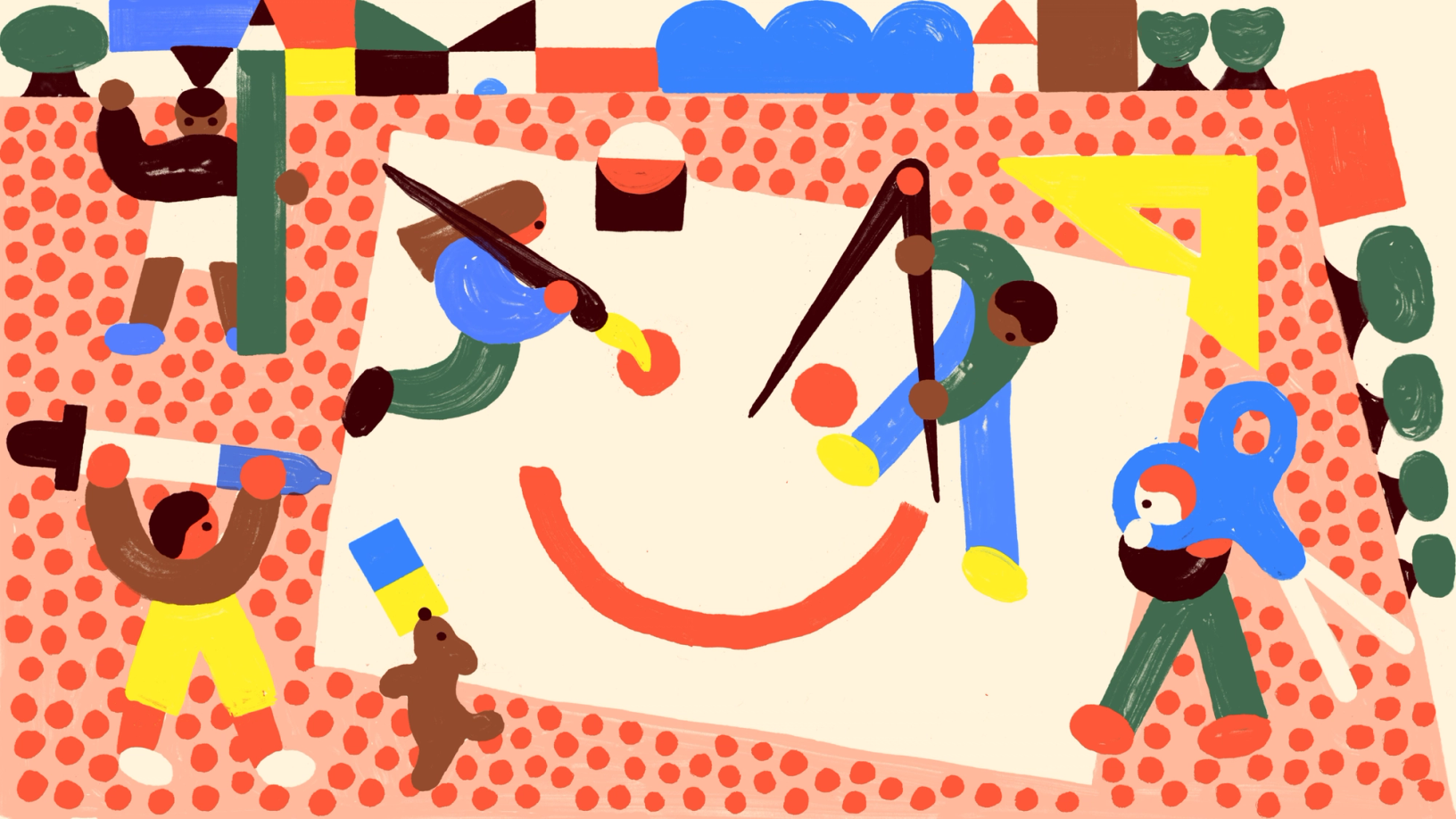
The challenge, then, is preserving the positive aspects of flexible work while actively addressing disconnection. Simple rituals, like Stripe’s playful drawing prompts or Shopify's logo-sketching exercises, can set the tone for a more casual, human environment that encourages people to start collaborating more frequently, not just for scheduled meetings.
Striking the right balance might mean a fundamental rethink of how progress is defined. Creating a better workflow isn't only about shipping better products—it's about establishing a healthier way to work that retains employees’ growing appetite for flexibility and connection in equal measure.