The Swiss PGDay took place in Rapperswil, Switzerland, on 26 and 27 June. The recommendation came from a colleague, Laurenz Albe, who described it as one of the smaller PostgreSQL conferences but a must-see. It turned out to be a warm, welcoming and inspiring event.
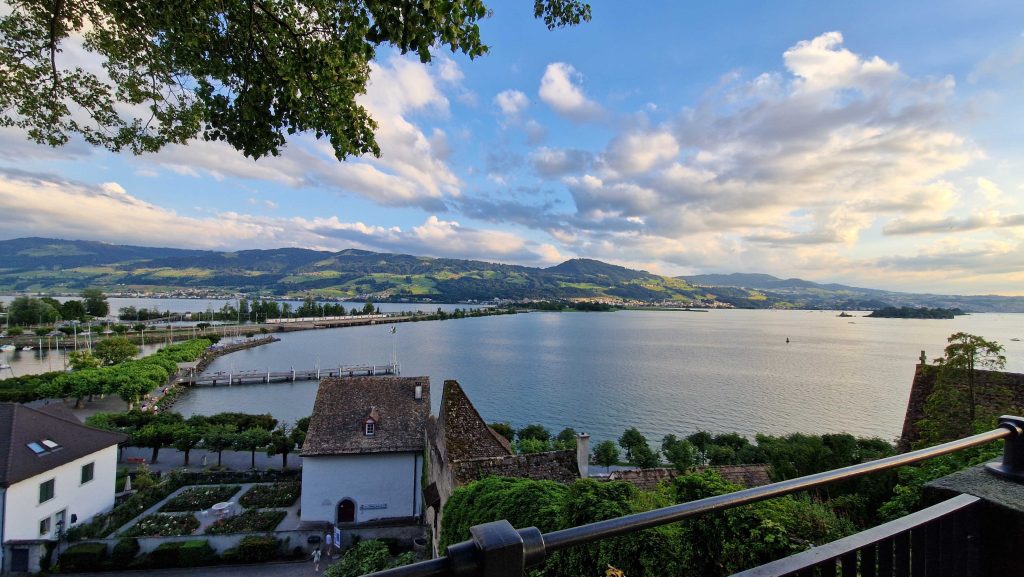
Getting there and staying there
The trip began on Wednesday 25 June from Vienna airport, with two colleagues. After landing in Zürich, the group walked to the train station for a ride of roughly an hour. The hotel, the Speer, sits directly across from the train station; some rooms look out onto the OST campus that hosted the conference. At check-in it emerged that several rooms had faulty AC units — only one had working air conditioning. The rooms were clean, the staff friendly and helpful, and the hotel houses an Asian restaurant.
The day before the conference, some colleagues attended the speakers dinner. Others opted for food and sleep ahead of the first PostgreSQL conference.
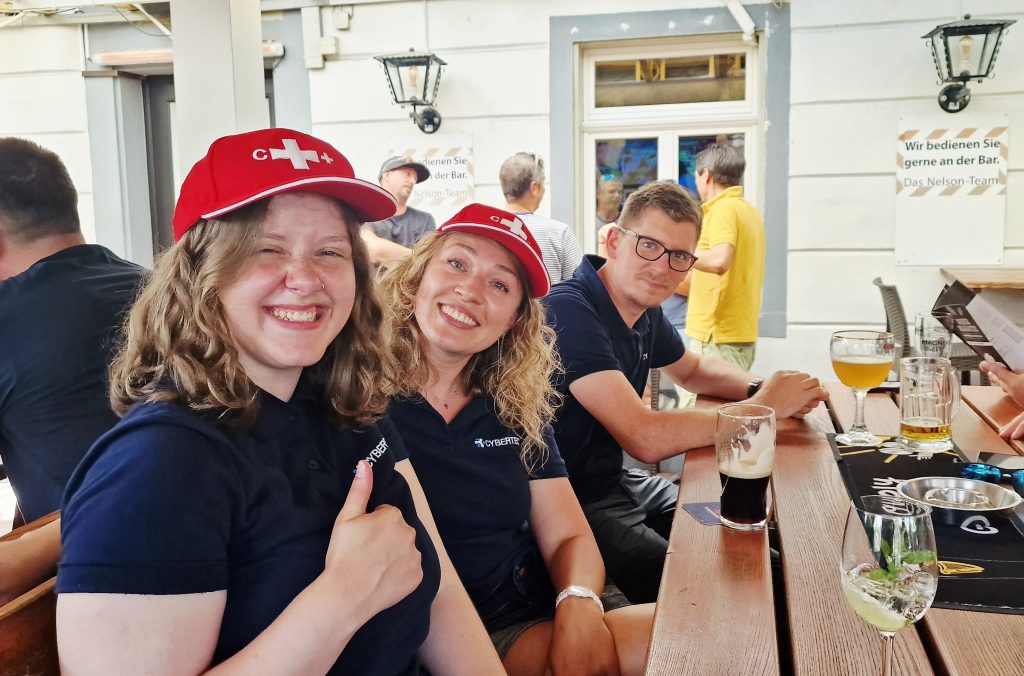
Inside the venue
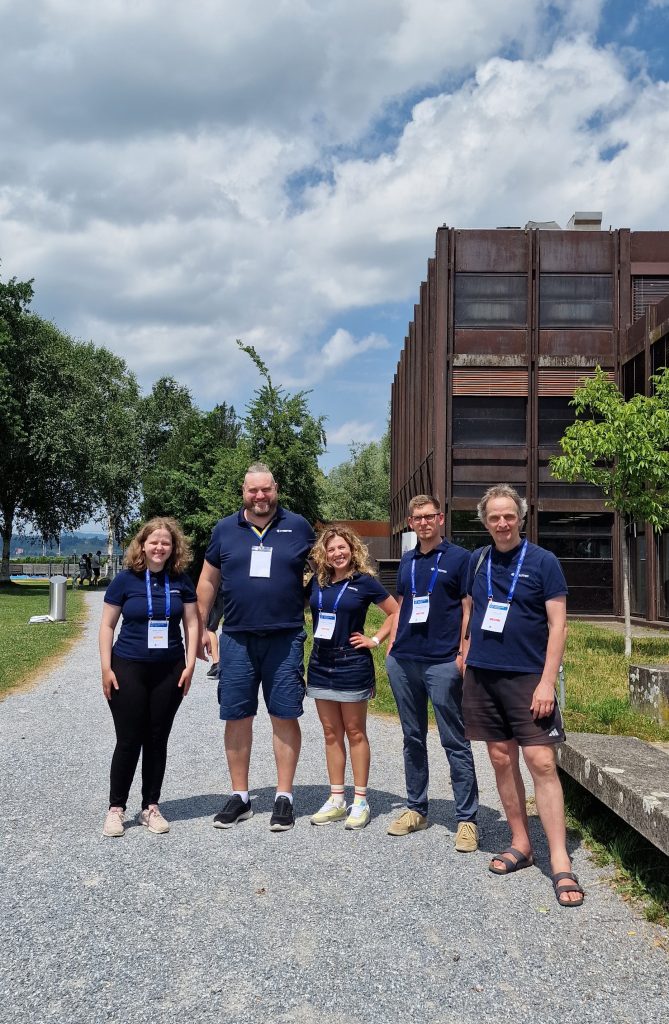
The first day started with breakfast and a conversation with Laurenz Albe, followed by the walk to the venue. Registration produced name badges. Roughly 125 attendees were present, spread across two talk rooms and a registration and break room.
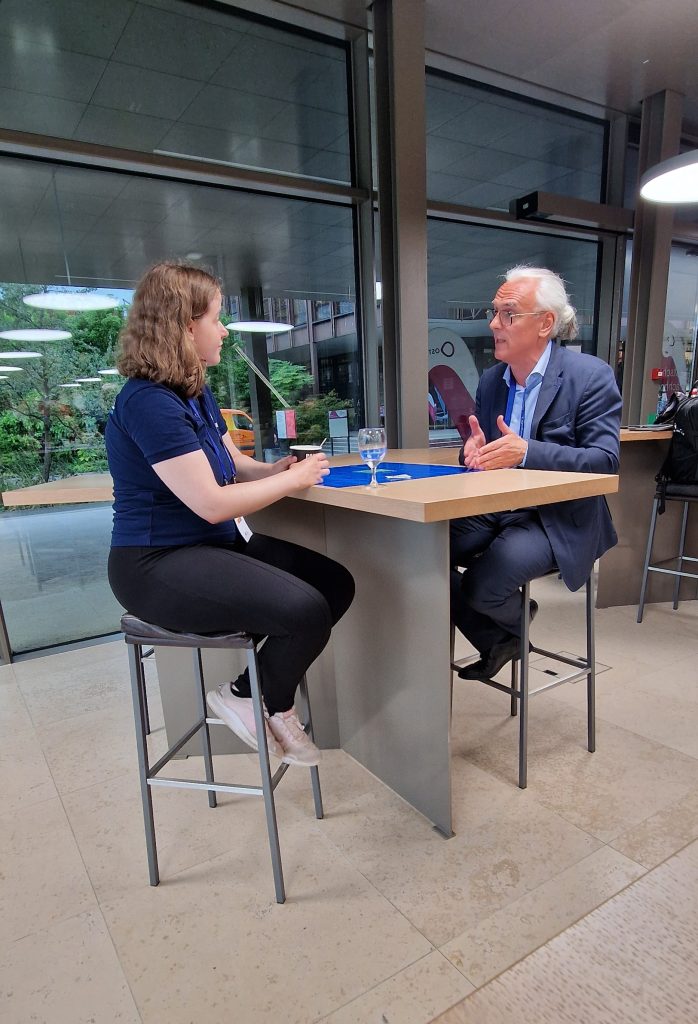
The break room filled up quickly, with attendees talking as though they had known each other for years. Even for a newcomer, it was easy to strike up a conversation over coffee, ask for help, or raise any question about PostgreSQL. What stood out was that experienced and successful attendees also asked questions — about the younger generation's problems and goals in the PostgreSQL and job field. Instead of a one-sided exchange, they shared what they knew about PostgreSQL and technical topics, while the newer attendees described the obstacles they face.
Talks worth the trip
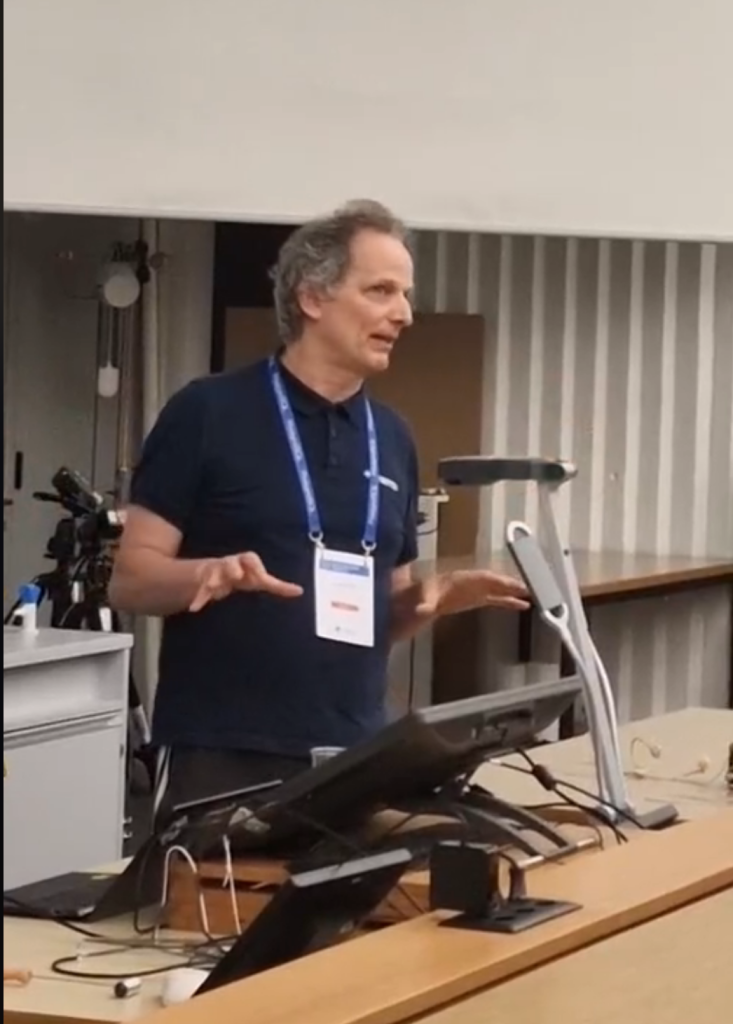
Three talks on the first day stood out. "Mach das nicht!" by Laurenz Albe was even better than expected: he knows how to keep a crowd engaged, and there is plenty still to learn from him. "The Why and What of WAL" by Gianni Ciolli covered WAL's history, why it was invented, how it is used today, and what its future use might look like; the conversation over coffee afterwards was equally interesting. Third was "Benchmarking - Eine unerwartete Reise" by Dirk Krautschick, on the obstacles and challenges of gathering and comparing benchmarking data from different databases, PostgreSQL among them.
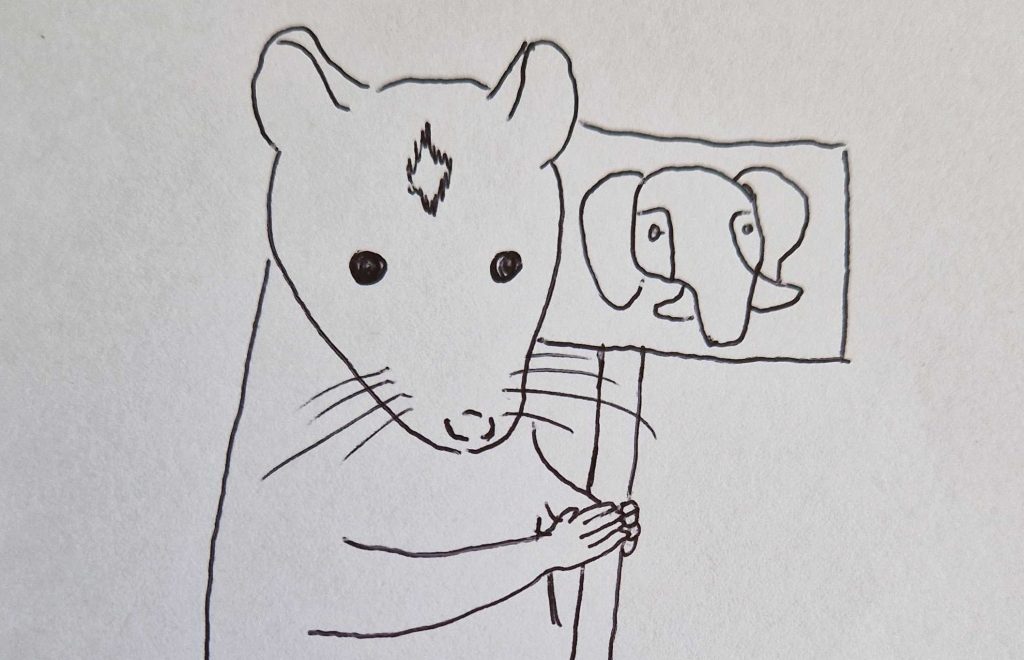
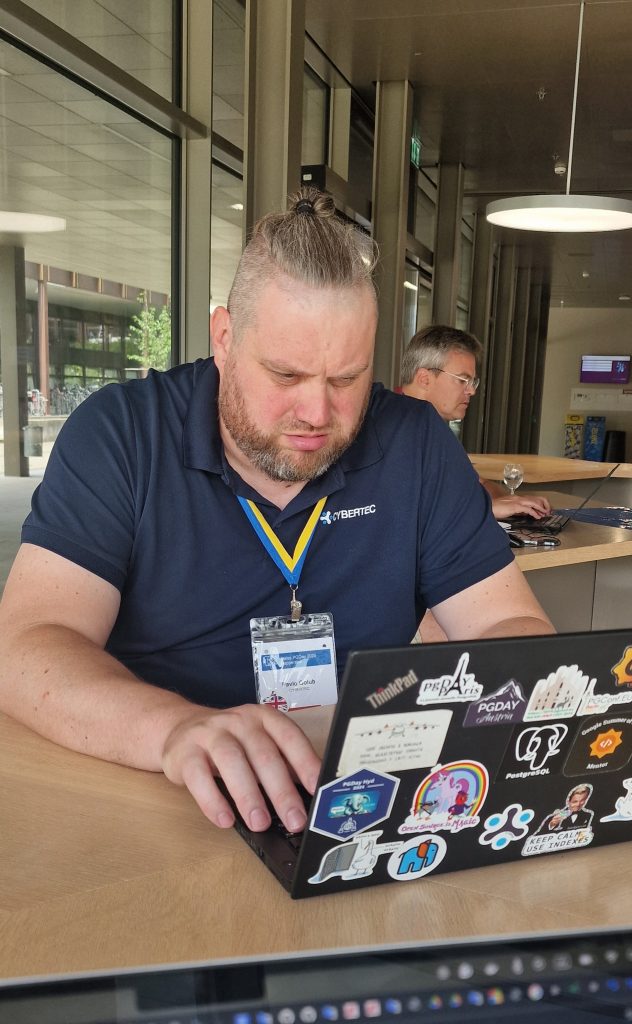
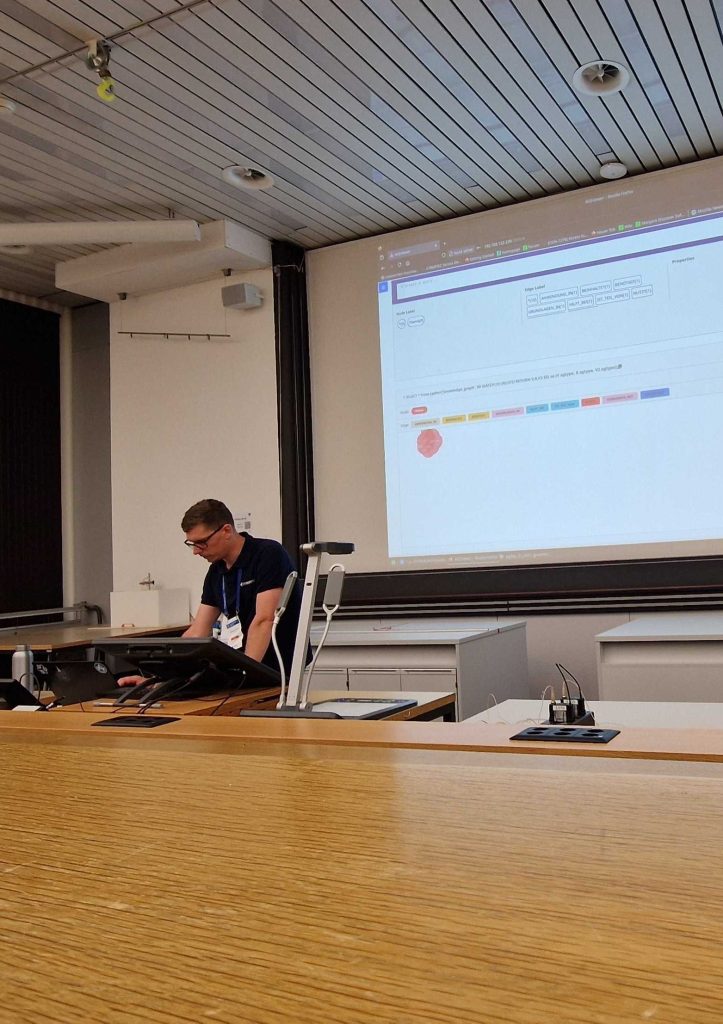
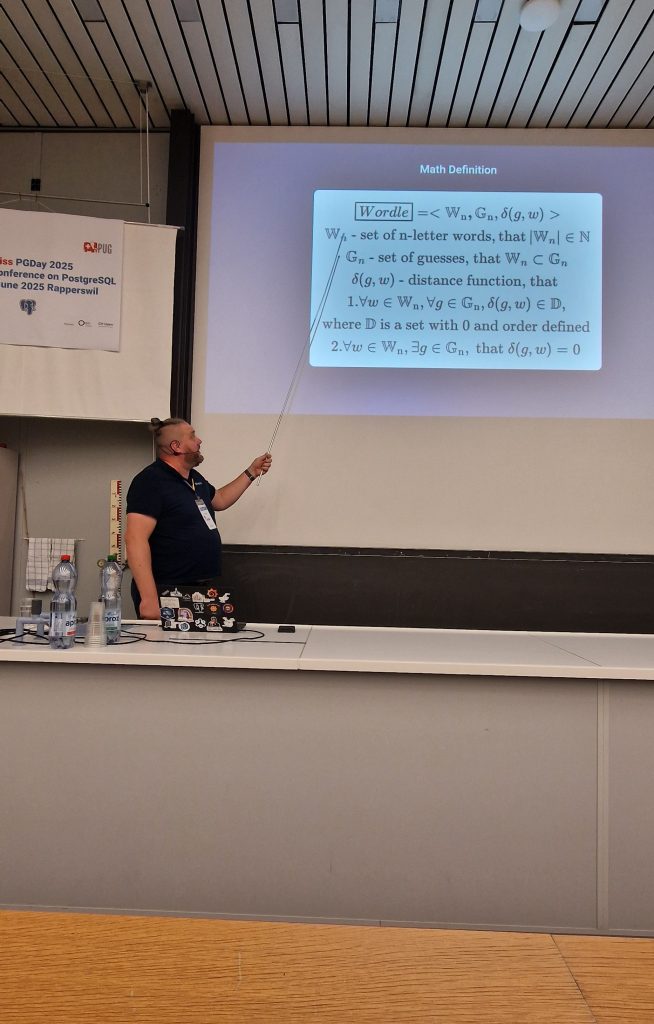
The second day was busier. During Matthias Grömmer's talk on graph databases, "Graphdatenbanken für alle - Warum PostgreSQL mit Apache AGE eine echte Alternative zu Neo4j ist", an idea for a lightning talk emerged. The groundwork followed: asking other attendees for tips and tricks and whether they would appreciate a lightning talk from a newcomer, then assembling pictures of dwarf rats and a PowerPoint. Another talk came before the lightning session — Pavlo Golub's "Customizing the Wordle Game Experience with PostgreSQL". It had drawn good feedback at other conferences, and it exceeded expectations: it explained how the game was built in PostgreSQL, and the audience got to play the PostgreSQL Wordle together at the end.
Karl takes the stage
As the lightning talks approached, the thought went back to a grandfather's advice: learn new things, even if you make mistakes at the beginning. That made it easier to break the ice on a first conference talk, since either way it would be a learning experience.
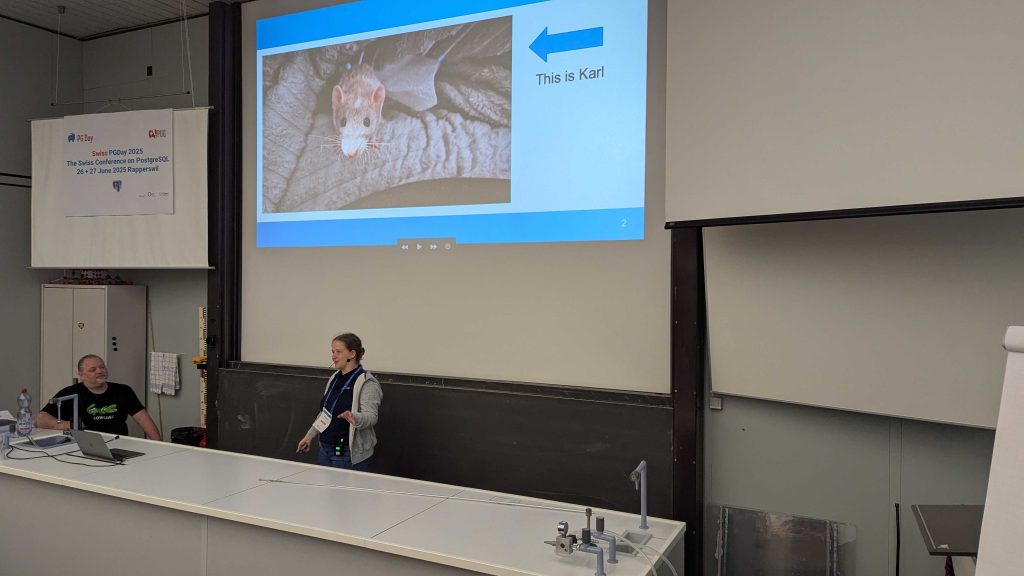
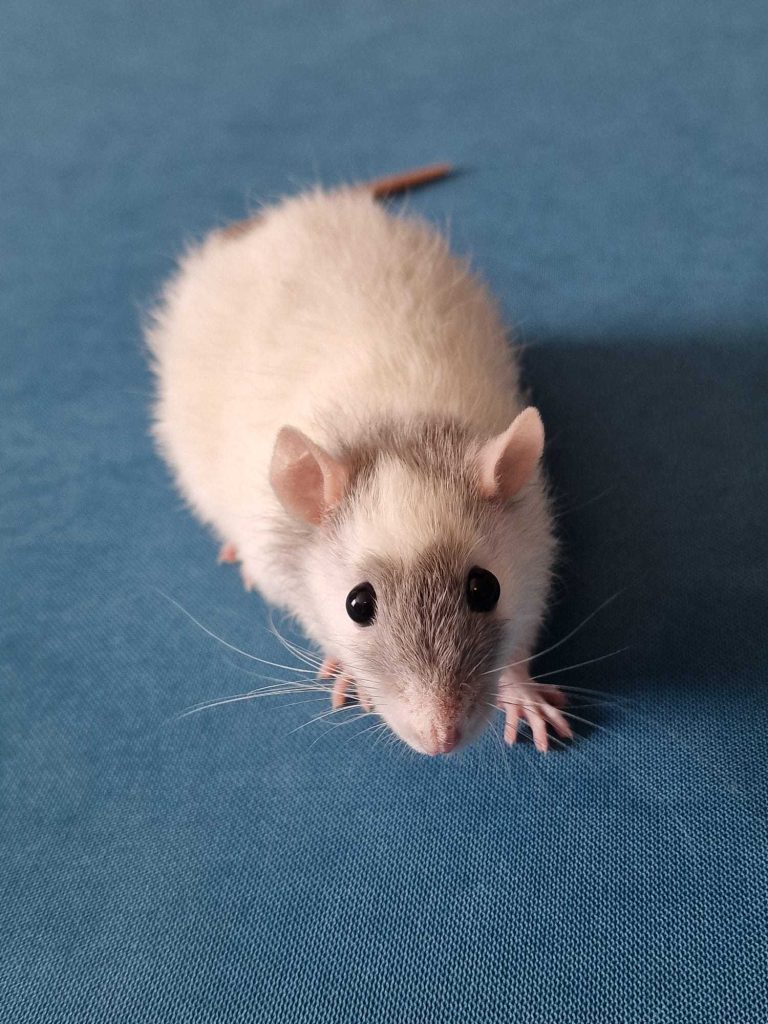
The talk told the story of Karl the dwarf rat, who wants to use a social media app with PostgreSQL as the backend on Web2. After uploading a selfie, Karl learns that the provider — a company run by Icarus the evil dwarf rat — sold his data to other companies for money. Karl gets angry and looks for another way to use social media while keeping control of his own data. He finds a Web3 social media app, also with PostgreSQL as the backend, and through the decentralized approach gains command over the data he shares. It was not the most informative presentation, but it made the crowd laugh, and it was a first experience of speaking in front of PostgreSQL attendees — who were kind about it, with several saying they liked the lightning talk.
The community behind the event
Thanks go to every member of the PostgreSQL community who helped make the event happen; organising it must have been a significant challenge. The location was tidy, snacks and coffee were always available, questions always had someone to answer them, and anyone was approachable — attendees, speakers and sponsors alike.
All roads lead to Rome, and every PostgreSQL conference follows the same logic. The next event on the calendar is PGDay Austria in Vienna. Every piece of experience is knowledge worth gathering, and PostgreSQL's community events offer a great deal of both experience and people to learn from.