Nearly 5,000 product builders came to Bengaluru for Figma's first Config India. Practitioners from around the world took the stage to discuss creative work now that AI is part of the process — and how taste, care, and lived experience still shape what gets made.
Pixel-level judgment in icon design
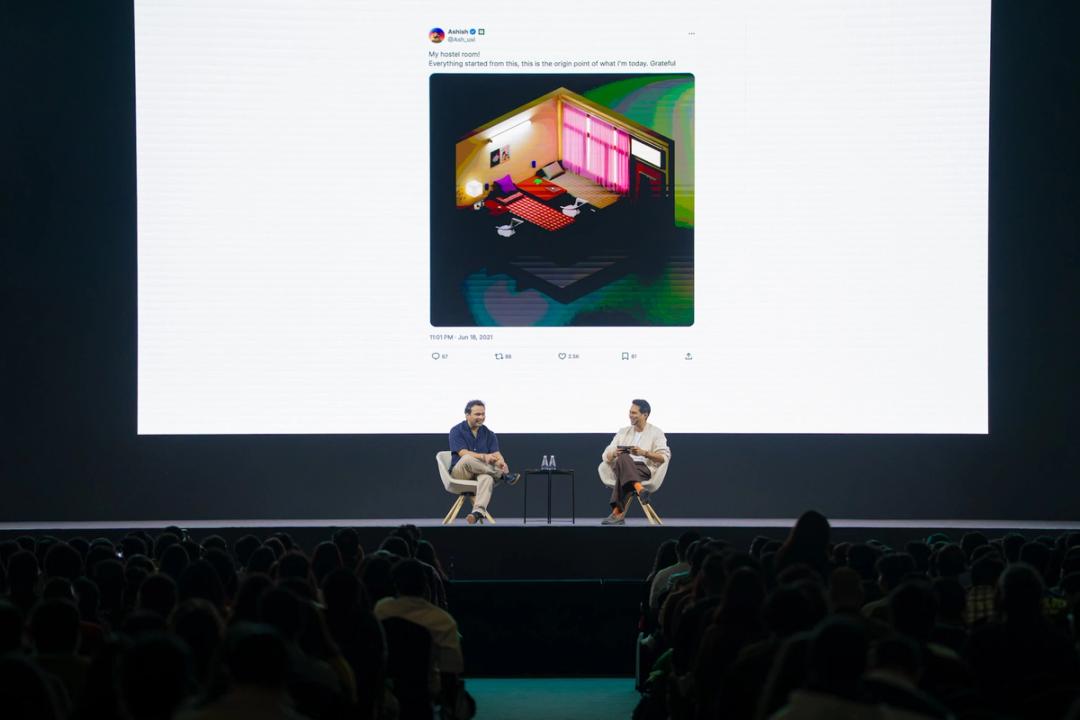
Ashish Kashyap, an artist turned product designer, works at a deliberately small scale: detailed NFTs called TinyRooms, and Pikaicons, a large library of hand-drawn SVG icons for Figma and React. At 24x24 pixels, tiny edits carry outsized weight — nudging a corner radius or a line can sharpen an edge or make a shape recognizable.
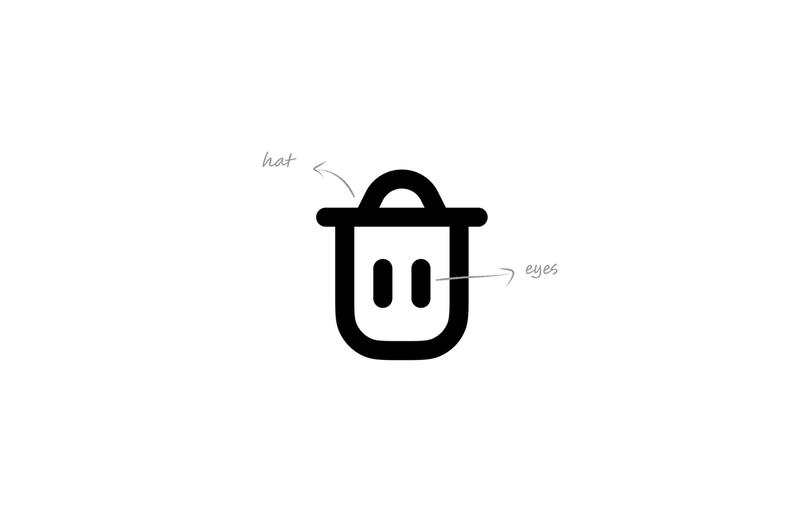
He cites a trash can icon that customers read as a man in a hat, with the lid as the hat and the details as the eyes. Reworking the design showed how much a half pixel can do: "It started looking like a dust bin." He describes the process as sculpting — chipping away detail. AI may supply a v1 of an icon, but every result needs hands-on adjustment so it looks like a Pikaicon down to the pixel and doesn't read as AI-generated.

“I love to imagine there’s somebody zooming into my files, looking at those icons, and saying, ‘Oh, somebody took care [designing] this,’” says Ashish.
Absurdity, grounded in plausibility
Soren Iverson, designer and founder of the studio IVERSON, makes satirical riffs on familiar products: a Spotify with an age limit for trendy music, an AR-based dating profile, a multiplayer alarm that wakes all your friends. The work began as a handful of funny ideas and became a practice built around making people laugh. The constraint is precision — there is a "thin line to dance between absurd and real utility," and the grounding principle is that a concept stays close enough to reality to feel plausible.
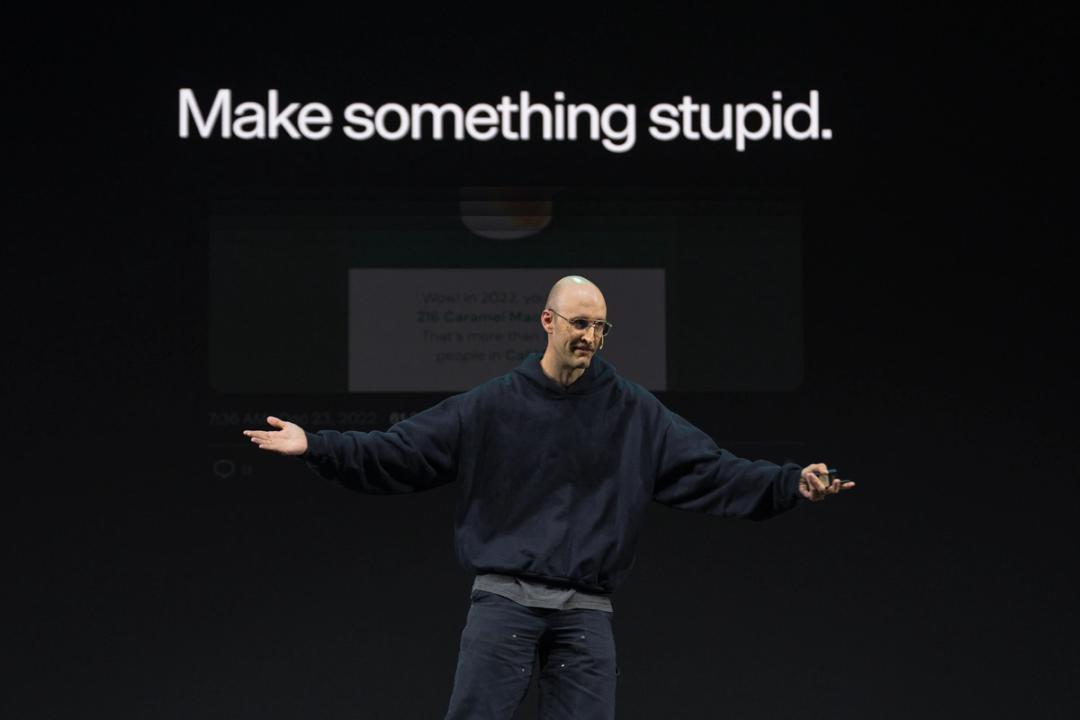
AI prototyping tools now let him carry ideas past the static mock-up into working products, such as the competitive step-tracking game Stompers, which he built entirely as a prototype. Idea generation, though, has to come from makers. "Our job is to pull things into existence that didn't exist before, to really put forth new ideas, to fail, to ask why, to create clarity," he says — sometimes by pursuing something outlandish. He also ties good ideas to collaboration: bringing peers along makes people comfortable putting bad ideas on the table, which can then be reverse engineered into good ones.
Our job is to pull things into existence that didn't exist before, to really put forth new ideas.“Our job is to pull things into existence that didn't exist before, to really put forth new ideas.”
Protecting a brand's "body language"
Masaba Gupta built House of Masaba on bold prints and colors that merge traditional fabrics with a modern sensibility. Her overriding goal is a clear identity: a piece belongs in the collection only if it captures the brand's recognizable aesthetic. "The storytelling and the language [of the work] have to be the same," she says. "I call it a 'body language.' Every brand has a body language, and that body language cannot change."
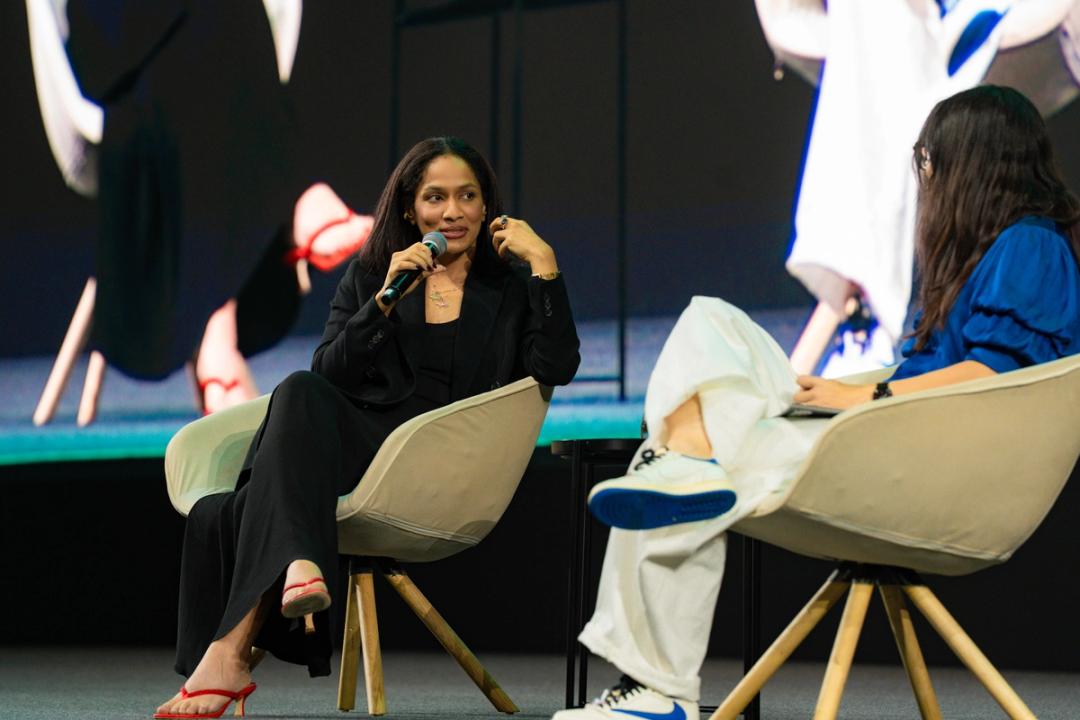
Distinctiveness matters more than ever, she argues, because AI makes it easier for competitors to borrow the look and feel of an established brand. Her answer is to lean into the specificity of her own taste: "In this age that we're living in, there's too much of the same thing. And in a time like that, you have to protect your aesthetic even more." That specificity comes from personal experience — childhood, surroundings, challenges, fears, and how one reacts to them shape taste and inform decisions about color, form, and presentation. Masaba's preference for pink over yellow, for instance, traces to culture, daily surroundings, and how her parents dressed. It is a point of view AI cannot replicate.
When the intention isn't known yet
Daisuke Sakai, co-founder of the art collective teamLab, studied robotics and AI and now examines where AI belongs in making — and where it doesn't. AI is powerful "as long as we know exactly what we want to make," he says; it turns ideas tangible far faster than before. The prior question is what's worth making. "As long as we know the answer, we can ask AI to make it," he says. "But at teamLab, [sometimes] we do not know the answer in advance."
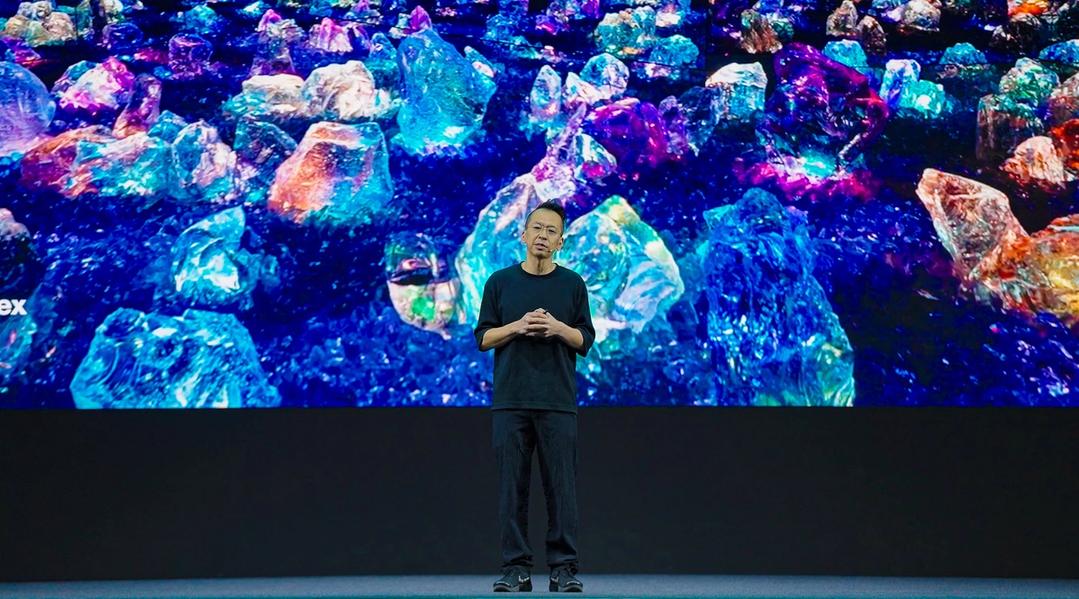
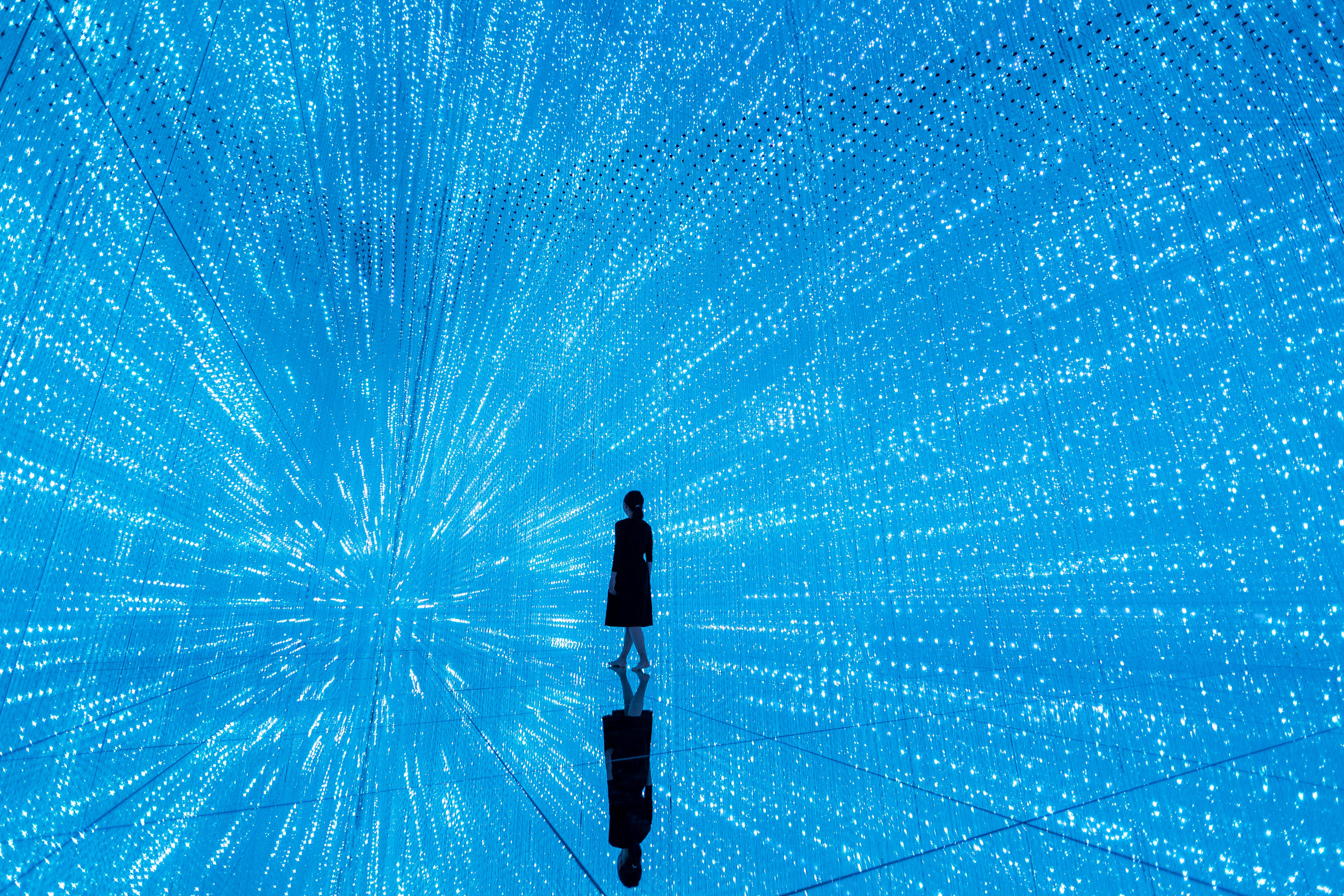
The Infinite Crystal Universe is his example. Tens of thousands of LED light strips hang from the ceiling of a mirror-lined room. Prompting "Show a room filled with LED lights" would have produced something quickly but without clear intention, because no intention existed yet: how the lights should reflect depth, how they should move, and how they should make a visitor feel are the questions that bring the work to life. "Making is an accumulation of these countless decisions," Daisuke says. "The questions we ask can change everything about the result."
Making is an accumulation of these countless decisions.“Making is an accumulation of these countless decisions.”