
Beyond The Artefact: Why Designers Still Matter
UX design has always been more than producing wireframes and prototypes. That work, once the core of the discipline, is now increasingly automated. AI can scaffold entire interfaces and generate design systems in minutes. What it cannot do is navigate ambiguity, weigh competing human needs against business goals, or decide what *should* be built — not just what *can* be built.
After two decades in UX, I’ve watched tools and methodologies come and go. The arrival of generative AI felt different. Watching an interface assemble itself with competent spacing and typography triggers a real question, one that designers at every level are asking: If a machine does this, what’s left for me?
The fear is understandable. On platforms like Reddit, designers are still working through the implications of tools that can generate wireframes, personas, usability summaries, and accessibility suggestions in moments. For roles defined by producing artefacts — drawing buttons, aligning components — that work is indeed being automated.
Where AI Adds Genuine Value
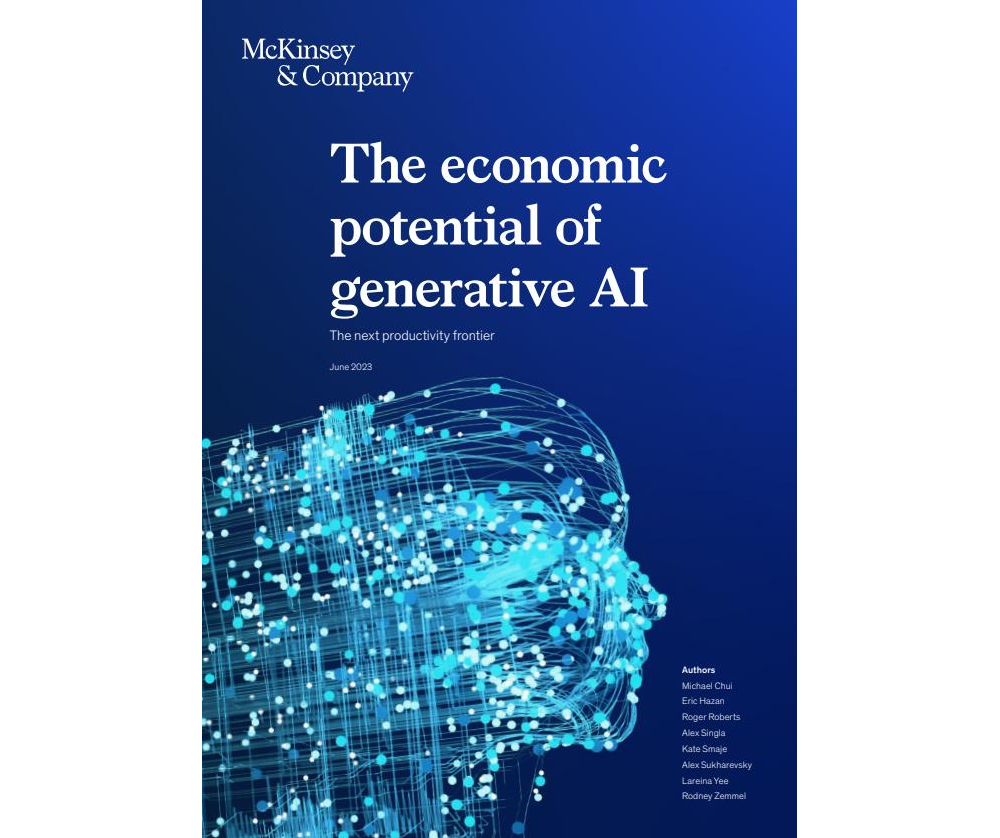
Speed and volume. AI excels at rapidly generating design options. Layout variations, copy alternatives, component structures, and onboarding flows can all be produced in seconds. Early-stage exploration expands from three hand-sketched concepts to thirty AI-generated variants. McKinsey estimates that generative AI can trim creative and design task time by up to 70%, particularly in the ideation phase. This leaves more room for reviewing and refining, amplifying rather than replacing the designer’s creative range.

For UX research, AI can also provide a head start on exploring demographics or drafting personas. In projects with tight timelines and limited user access, text generation tools can surface useful ethnographic pointers — provided the designer writes precise prompts and carefully rewrites AI-generated parameters as springboards, not facts.
Consistency and rule adherence. In large-scale design systems, especially in enterprise and government environments with rigorous compliance needs, AI never gets tired or forgetful. Colour tokens, spacing scales, typography hierarchies, and accessibility standards are all relentlessly enforced. For a core role that can grind down a human, handing this component over to AI comes as a relief.
Data analysis at scale. An AI can sift through user journey paths, scroll depth, heatmaps, and conversion funnels to flag patterns instantly at volumes a human team can’t reasonably process. Contentsquare and similar platforms now lean on AI to surface these insights. Notably, this is where designers had the least unique value anyway. Quantitative data reveals the “what”; the human task of uncovering the “why” comes through qualitative interviews.
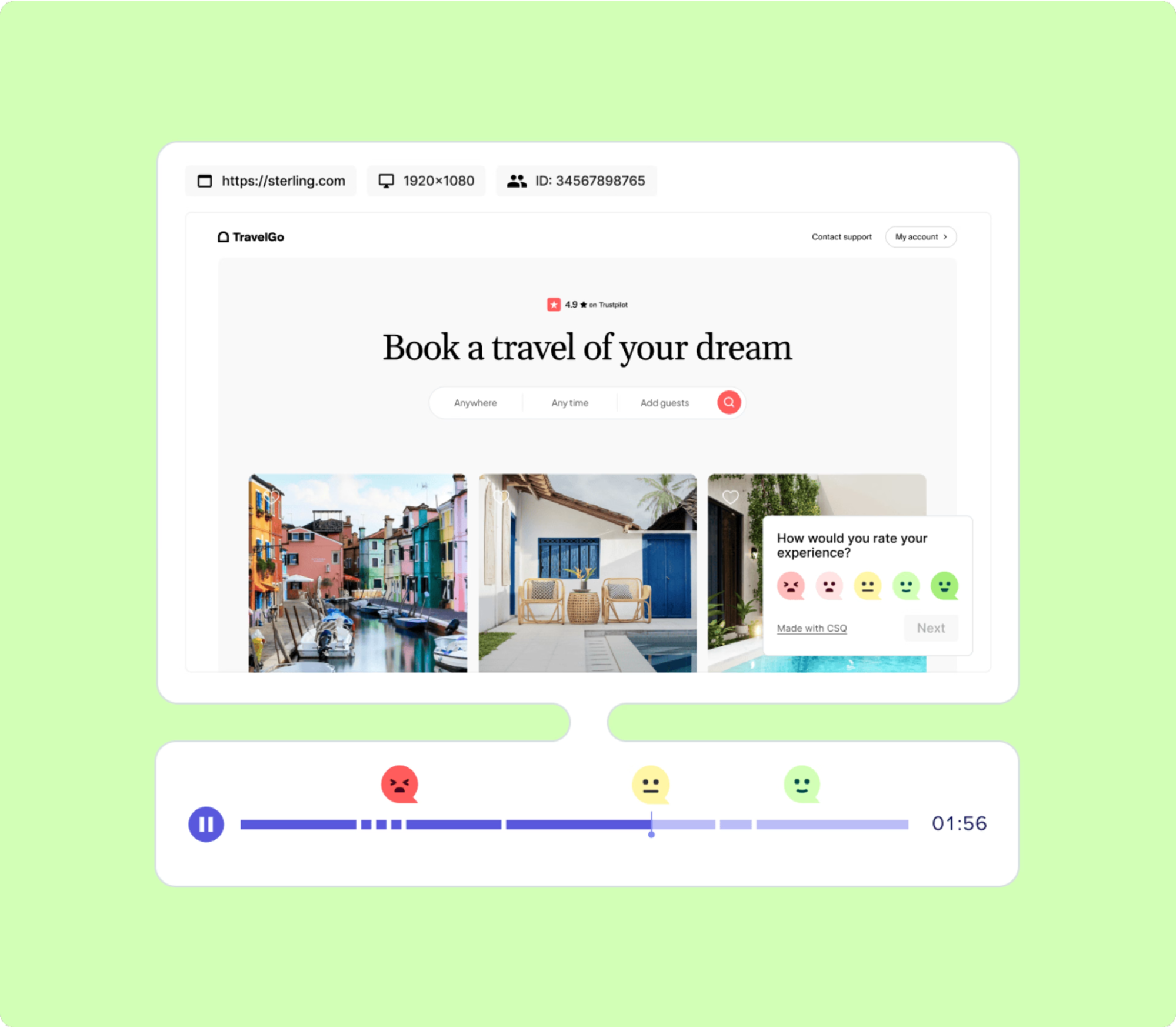
The conclusion is that AI is ideal for the repetitive drudgery of production, system enforcement, and raw data analysis. By offloading those duties, designers can devote hours to the interpretive, human-centred judgment that defines the profession’s true hard parts.
What Designers Must Keep Doing
Empathy is lived, not learned. An LLM can articulate frustration or generate empathetic apology copy, but it has never endured a day with a broken form or agonised over submitting sensitive data. That vulnerability is a human state. In one project designing a complex fraud alert platform, the decisive details about real customer difficulties lived in the memories of the customer-facing team — not in any dataset an AI could access. As Nielsen Norman Group argues, good UX is not about building interfaces but about communication and understanding.
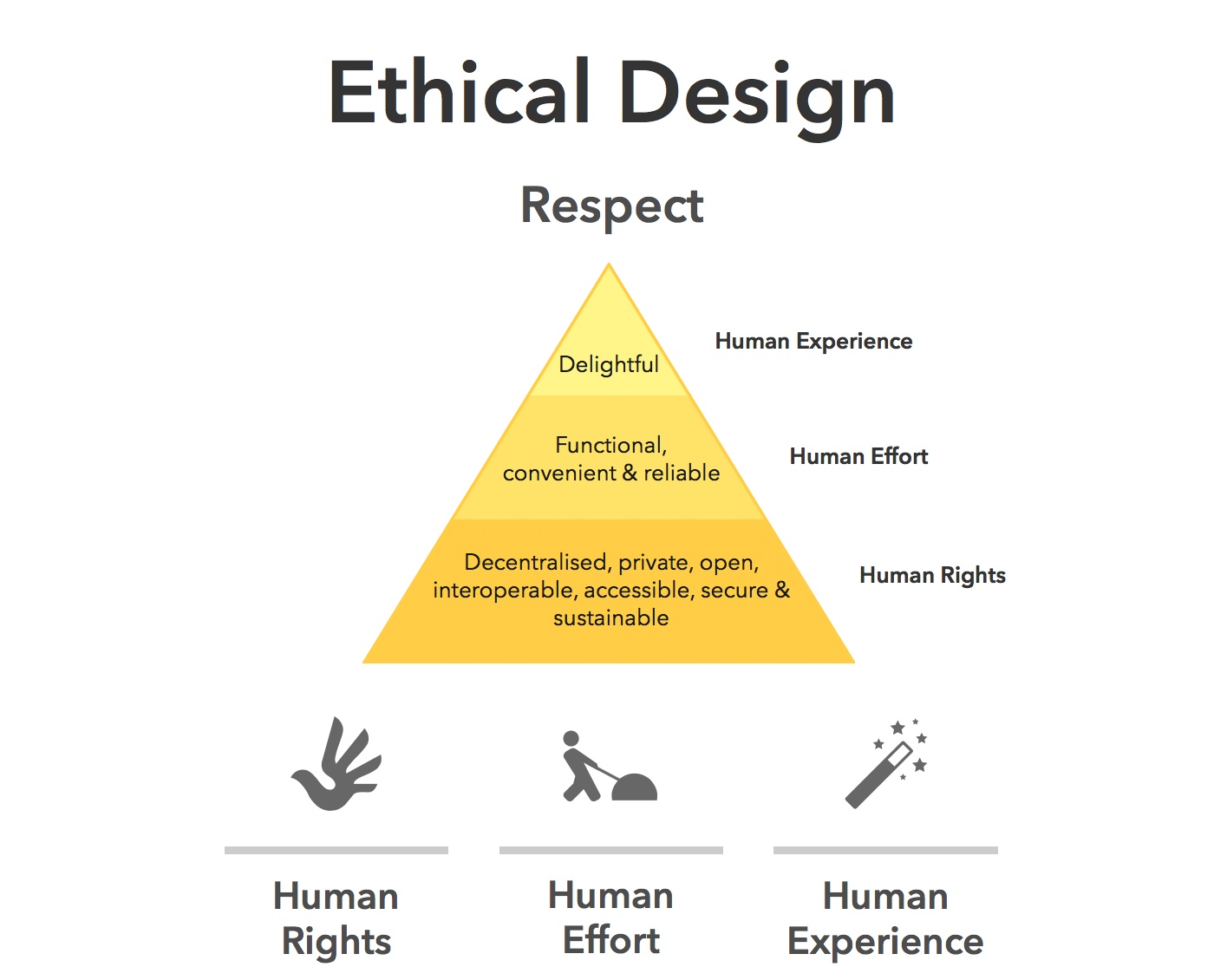
Ethics require a human filter. A model optimises toward the metrics you give it. Without human intervention, engagement goals can slide into dark patterns, addictive loops, and emotional manipulation. As The Center for Humane Technology has documented, unchecked algorithmic optimisation undermines wellbeing. Designers are the ones who can say — and must say — “We could do this, but we shouldn’t.”
Strategy means context. AI has no awareness of the room — what stakeholders imply but don’t state, the politics and regulatory nuances, or where the business actually wants to go next. It’s expert at pattern matching, not at applying judgement based on experience.
Designers act as translators between business intent and human impact. That translation relies on trust, relationships, and context, not pattern recognition.
As execution speeds up across the board, the designer inherits a broader mandate: the time once spent perfecting UI details now goes to facilitating workshops where product, strategy, and culture meet.
Scaffolding Rather Than Sketches In Daily Practice
Daily work shifts. Fewer hours are pinned to pixel manipulation. Constraint definition becomes the designer’s core craft. Instead of simply asking AI to “make a better dashboard,” the job is to direct a clear purpose: “Layout a dashboard that reduces cognitive load for first-time users” or “Find mobile patterns optimised for low-vision accessibility.” Achieving the right prompt output takes iteration, steering every round until it captures the goal and intent of the outcome, not just the copy.
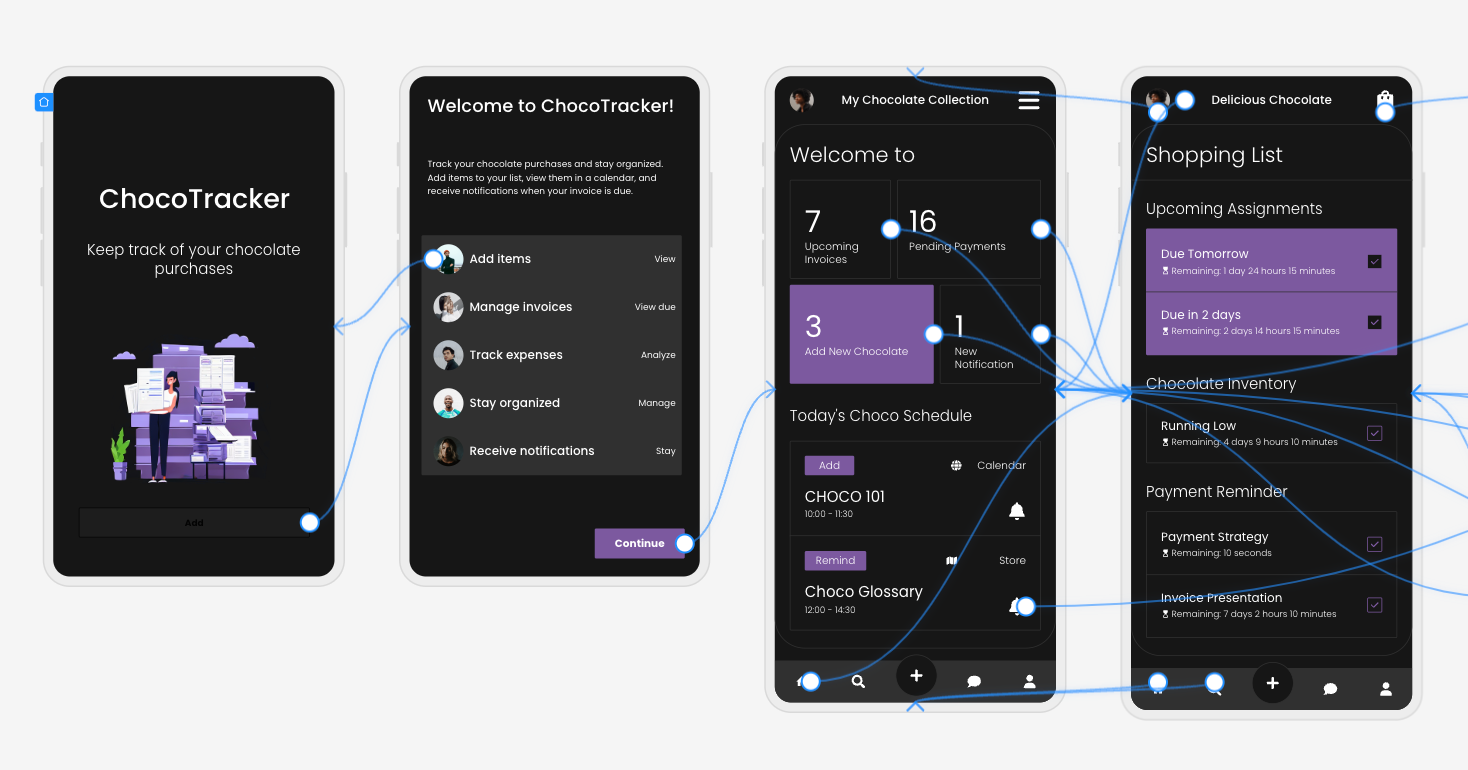
The curatorial dimension also expands. AI generates options without discernment, so the designer’s most valuable repetitive skill becomes evaluation — reviewing AI concepts, narrowing and refining, judging what aligns best with ethical, business, and access requirements. It’s the classic senior-designer mentor discipline, but operating at a scale no studio previously produced.
Movie directing offers a useful comparison: a director doesn’t handle every camera or perform every role, but owns the story and the audience’s emotional journey. AI builds the set and rolls the film; the director must still know what story needs telling.
What Happens To The Hard Days’ Work
Ten years ago, a wireframe took days and was fiercely defended in reviews. Much of the perceived value was literally in the stack of annotated PDFs. With AI, scaffolding a full feature can happen in an afternoon. The hard conversations, however, have not disappeared. Even when AI is fast, the designer must still ask experienced, broad questions — about goals and stakeholders, failure states, and the hidden costs of showing one path instead of another. Answering these means synthesising workshop chaos, having tense conversations about trade-offs, and negotiating between profit margins and user well-being.
AI accelerates production, but it does not remove the designer’s responsibility. In fact, it increases it. When options are cheap and plentiful, discernment becomes a scarce skill.
What shifts is the career centre of gravity. The craft moves from hands-on crafting to curating and directing human experience. Much of the relief and worry among UX professionals is rooted in mistaking an output for objective. Machines are getting better at output. They will not get better at understanding the meaning of a shared.
What to Do Now: Small Steps, Bigger Skills
Don’t panic — practice. Avoiding AI will not preserve your relevance; learning to use it thoughtfully will. Start small by exploring Figma’s AI features, using AI for ideation rather than final decisions, and treating its outputs as conversation starters, not answers. Confidence comes from familiarity, not avoidance.
The most resilient designers will also invest in skills that compound over time and cannot be automated:
- Psychology and behavioural science;
- Communication and facilitation;
- Ethics, accessibility, and inclusion;
- Strategic thinking and storytelling.
The Accountability Shift
There is an uncomfortable implication in all of this that is rarely discussed: when AI makes it easier to design anything, designers become more accountable for what gets released into the world. Bad design used to be excused by constraints — limited time, limited tools, limited data. Those excuses are disappearing. As AI removes friction from execution, the ethical and strategic responsibility lands squarely on human shoulders. This is where UX designers can, and must, step up as stewards of quality, accessibility, and humanity in digital systems.
Final Thought
AI won’t take your job. But a designer who knows how to think critically, direct intelligently, and collaborate effectively with AI might take the job of a designer who doesn’t. The future of UX is no less human — it’s more intentional than ever.