

From autocomplete to an AI assistant for the whole workflow
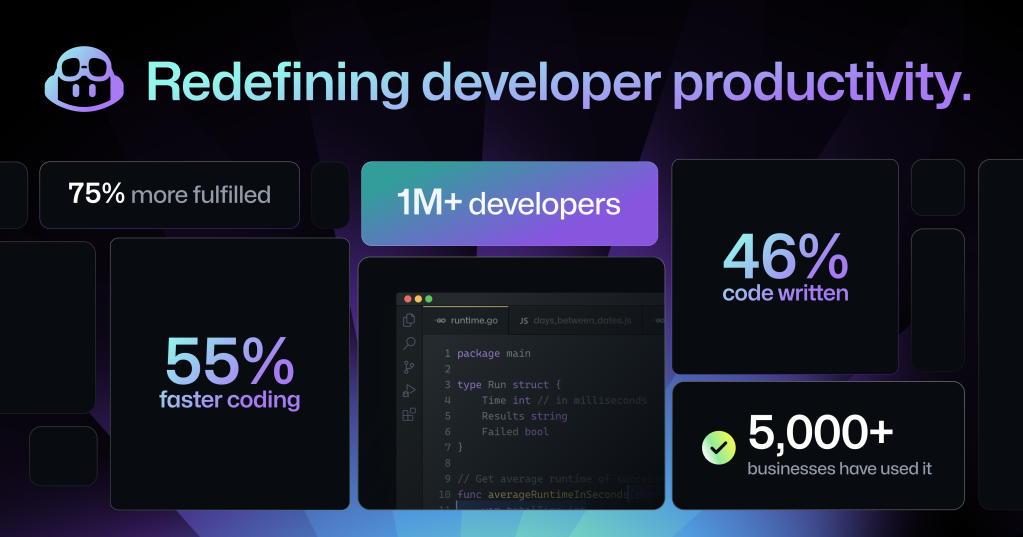
GitHub Copilot introduced developers to AI pair programming through code and comment autocompletion in the editor. Less than two years after launch, the tool is responsible for writing 46% of code on average, and GitHub research has associated its use with developers coding up to 55% faster. But completion alone, the company argues, only scratches the surface of what generative AI can do for software engineering.
With the announcement of GitHub Copilot X, GitHub is expanding the product beyond the editor into the broader development lifecycle. The update is built on OpenAI's GPT-4 model and brings Copilot's assistance to pull requests, the command line, and documentation. It also introduces chat and voice interfaces for interacting with the AI assistant directly within the IDE.
Chat and voice in the IDE
GitHub Copilot Chat brings a ChatGPT-like conversational experience into the editor, natively integrated with VS Code and Visual Studio. Unlike a standalone chat window, this interface is context-aware—it recognizes the code a developer has typed and any error messages displayed, making the conversation deeply tied to the current project. Developers can use it to get analysis and explanations of code blocks, generate unit tests, and receive proposed fixes for bugs.
The chat feature builds on work OpenAI and Microsoft have done with ChatGPT and the new Bing. It also incorporates GitHub's voice-to-code technology, now called GitHub Copilot Voice, which lets developers issue natural language prompts verbally rather than through typed text.
Copilot for pull requests
A technical preview is now available for AI-generated pull request descriptions on GitHub. This feature leverages GPT-4 and works through a GitHub app that org admins or repo owners can install. The AI automatically fills in tags in a PR description based on the code changes, and developers can review or modify the suggestion before submitting. This is the first in a planned set of PR-related capabilities.
GitHub is also testing features internally where Copilot suggests sentences and paragraphs as developers create pull requests by dynamically analyzing the related changes. In addition, the company is preparing an automated check that flags PRs with insufficient test coverage and suggests potential tests, which developers can then accept, edit, or reject based on project needs. That warning capability complements Copilot Chat, where developers can already ask the AI to write tests directly in the editor—so the PR experience can act as a final gate on coverage while helping project owners enforce testing policies.
AI answers for documentation
GitHub Copilot for Docs is an experimental tool that provides AI-generated answers to documentation questions through a chat interface. The initial rollout covers documentation for React, Azure Docs, and MDN so the team can gather feedback and iterate with those communities. GitHub also plans to extend the capability to any organization's private repositories and internal documentation, so developers can ask questions about idiomatic code or in-house software and get instant answers.
Longer term, GitHub wants to give Copilot a semantic understanding of the entirety of GitHub across public and private knowledge bases, personalizing answers for teams and organizations based on their codebases and documentation. Beyond documentation, the company is exploring indexing issues, pull requests, discussions, and wikis to support technical questions with more sources of context.
Copilot for the terminal
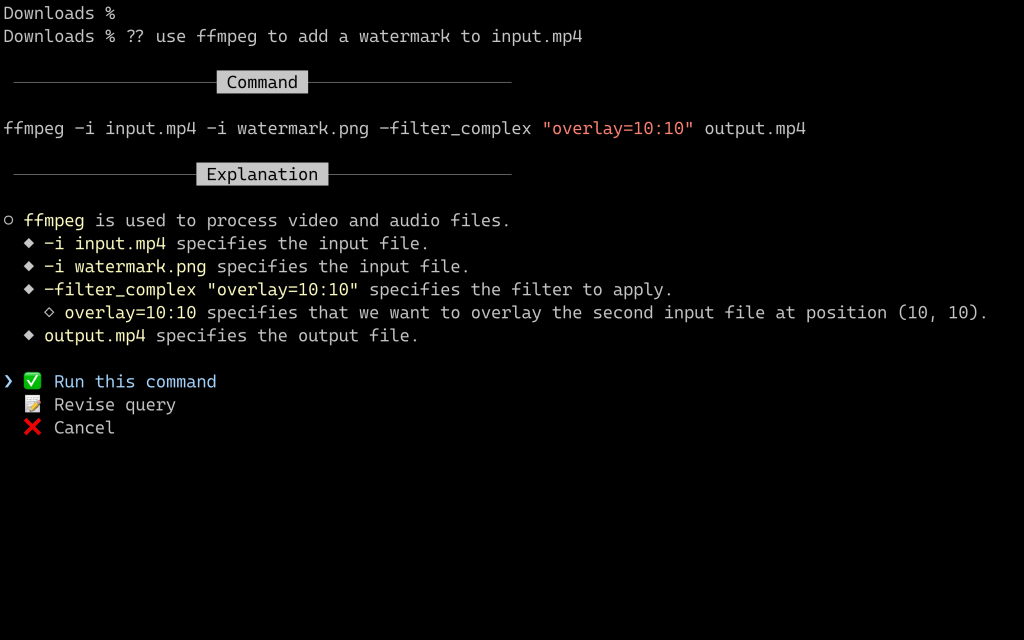
After the editor and the pull request, the terminal is where developers spend the most time—and even experienced users often have to recall or search for precise command syntax. GitHub Copilot CLI addresses that by composing commands, loops, and complex flags based on a natural language query, letting developers stay in the shell instead of jumping between windows to look things up.
What comes next
GitHub positions Copilot X as an effort to personalize the AI assistant across teams, projects, and repositories, with the goal of reshaping the software development lifecycle from documentation through code through submission. With the broader Microsoft commitment to knowledge models in its 365 products, GitHub anticipates stronger links between devs and other workers that will move ideas from code to reality more smoothly. For now, Copilot's core autocomplete functionality remains active and will continue to evolve alongside these newer interfaces.


