
Developers Are Already Living with AI — Companies Should Watch
Developers have long been the earliest adopters of new ways of working, and their behavior often previews how the rest of the business will eventually operate. That pattern is repeating with generative AI. Data from a recent GitHub developer survey shows 92% of respondents already use AI tools at work or in their personal time. For organizations still weighing where AI fits, that adoption rate is a signal: study how engineers use these tools now, and you will have a clearer picture of how to roll them out elsewhere.
The same survey clarifies why developers reached for AI in the first place. They want to spend their days solving novel problems and collaborating with colleagues, yet they wind up blocked by slow builds, long test cycles, and deployment waits. That gap between the work they value and the time they actually lose is precisely the space AI tools are entering.
What Developers Want from Their Work
The survey asked developers what tasks make a positive impact on their day. Designing solutions to novel problems landed in the top four. What they value less — and what takes up a disproportionate share of their hours — is waiting around for builds and tests to finish. The picture that emerges is of engineers who want more time for the substantive parts of their jobs, not less.

Collaboration is another sticking point. On a typical project, developers report working with an average of 21 other engineers, and 52% say they work with other teams daily or weekly. Notably, when asked how their performance should be measured, developers ranked collaboration and communication above code quality — a telling preference for a role often judged on output.


AI’s Promise, According to the People Who Use It
Developers largely believe AI will help close the gap between the work they want to do and the work they actually do. The survey’s headline findings point in three directions:
- 81% think AI coding tools will help them collaborate better.
- More than half believe AI will let them shift from repetitive tasks to higher-value problem solving.
- Almost half think AI will push engineering teams toward more solution design and innovation.
Early results from real deployments support those expectations. One GitHub study found that code reviews took 15% less time when developers used GitHub Copilot. Duolingo similarly saw a 67% median increase in code review speed after adopting the tool. Faster reviews mean reviewers can spend more time actually talking through changes — a concrete, measurable improvement in collaboration rather than a hypothetical one.

Why Engineering Teams Are the Test Bed for AI
If AI adoption among developers yields better productivity, stronger collaboration, and more headroom for innovation, the incentive to apply the same approach across other business functions grows accordingly. But operationalizing AI company-wide does not start with drafting a policy or picking an enterprise vendor. It starts with the group already using the tools daily and understanding what makes those tools effective in practice.

That will likely mean confronting a related issue: developer experience, or DevEx — the systems, processes, and culture that surround the engineers themselves. AI cannot fix a broken delivery pipeline, and it will not replace the need for clear collaboration norms. But for teams that already have solid practices in place, AI offers a way to amplify the human work — freeing up developers to do more of what they were hired to do: design, build, and collaborate on software that drives the business forward.
The Adoption Blueprint: Turning Developer AI Habits into Company-Wide Strategy
Because developers are typically the first in their organizations to experiment with and scale generative AI, their workflows offer a preview of what effective AI adoption looks like across an entire enterprise. The lessons extend well beyond the engineering team.
Keep Teams Small, Iteration Fast
One of the most effective strategies for AI product development is assembling small, agile tiger teams with tight feedback loops. This structure avoids the sunk cost fallacy, where groups persist with a flawed direction simply because they have already invested time and money. Agility enables teams to make decisions and pivot quickly without hitting organizational bottlenecks.
This approach directly led to the creation of GitHub Copilot. When the team first gained access to a powerful AI model from OpenAI, the path to a finished product was unclear. Rather than scaling up, a small group of engineers, designers, and researchers worked to define a focused problem: assisting developers with coding functions inside the IDE. This allowed for quicker experiments and a faster time to market. Once a minimum viable product exists, more people can join the project to continue iterating. The key distinction is that while developers rely heavily on cross-functional collaboration, high-caliber outcomes often depend on focused teams working without the drag of excessive organizational overhead.
Use Innersource to Unlock Value
Software development is inherently a team sport, relying on significant cross-functional communication. The high volume of collaboration required suggests that operational problems within an organization are essentially people problems. Cultivating the right culture is just as important as supplying the right tools.
Innersource is a framework for bringing open source collaboration practices into internal teams. Making workflows, decisions, and solutions publicly visible and discoverable across the organization allows everyone to contribute and prevents duplicative work. In GitHub's survey, nearly 90% of developers stated that innersource practices improve team performance. Successful developer-focused companies typically excel at giving people the context they need to solve core business problems, as opposed to more traditional, hierarchical structures that merely assign work. This emphasis on discoverability also prepares organizations for AI, as models perform better when they have rich, accessible context.

This way of working also helps teammates avoid reinventing the wheel. To start building a collaborative innersource culture, teams can adopt several practical habits:
- If a discussion is valuable, record it and make it easy to find; many productivity tools now offer AI-generated summaries.
- Share successful solutions with the broader organization.
- Give feedback on public work, focusing criticism on the work itself, not the person.
- Always explain the reasoning behind a requested change.
Build Learning Into Workflows
Developers consistently rank learning new skills as the top contributor to a positive workday—yet a significant portion (30%) also report that dedicated learning and development can negatively impact their day. This suggests that formal L&D sessions can feel like a burdensome add-on. Upskilling that is embedded directly into daily workflows tends to be far more effective than requesting unrealistic time commitments from already busy employees.
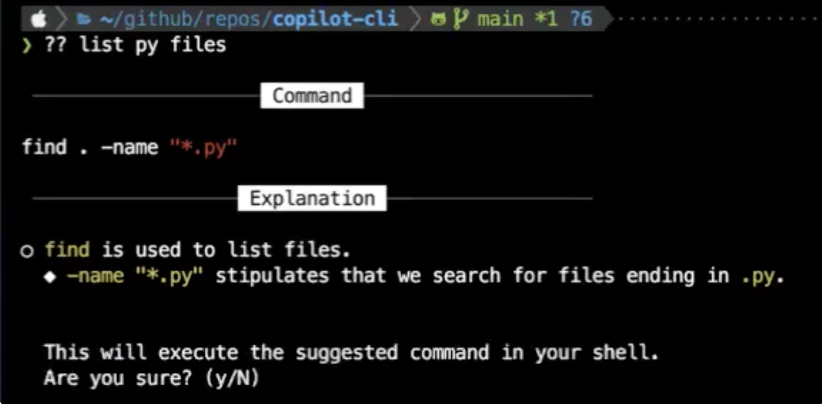
AI tools play a direct role in this kind of embedded education. During the technical preview of GitHub Copilot for CLI, an explanation feature appears after the tool suggests a command, describing the function so a developer can verify the suggested actions against their original problem. Similarly, GitHub Copilot Chat's technical preview enables developers to ask an AI assistant to explain what a block of code does, debug errors, or teach how to work in a new language or framework.
These tools also support human-centric mentorship. Within a strong innersource culture, mentors and leaders can guide others in the moment of need. If a developer isn't sure how something works, the culture encourages them to open a pull request for review before their code is polished, rather than hiding the uncertainty. This approach extends learning across roles and creates a trusting environment—computers alone cannot holistically develop a person's skills, but they can free up the time needed for high-impact human mentorship.
The Path Forward
AI will fundamentally change how company culture and trust are built. To prepare for organization-wide adoption, leaders should invest in:
- Small, highly collaborative, agile teams with focused remits to drive product innovation.
- Stronger feedback loops from real users to speed up iteration and improve product quality.
- Innersource practices that enhance developer productivity while setting up the entire organization to gain the most from emerging AI capabilities.
- AI-equipped tools that create more opportunities for upskilling and mentorship across the workforce.
The systems, technology, processes, and culture that constitute developer experience (DevEx) will ultimately serve as the foundation for how all enterprise teams adopt and benefit from AI-powered growth.


