

Container-first packages land in public beta
Since GitHub Packages launched last year, Docker has emerged as the second most popular ecosystem on the platform behind npm, with hundreds of millions of total package downloads. That demand tracks a broader shift toward containers, Kubernetes and cloud-native workflows that now span production operations, not just development and deployment.
To meet that demand, GitHub is introducing GitHub Container Registry, available today as a public beta. The registry extends GitHub Packages with container-specific capabilities aimed at access control, standardization and cross-team sharing.
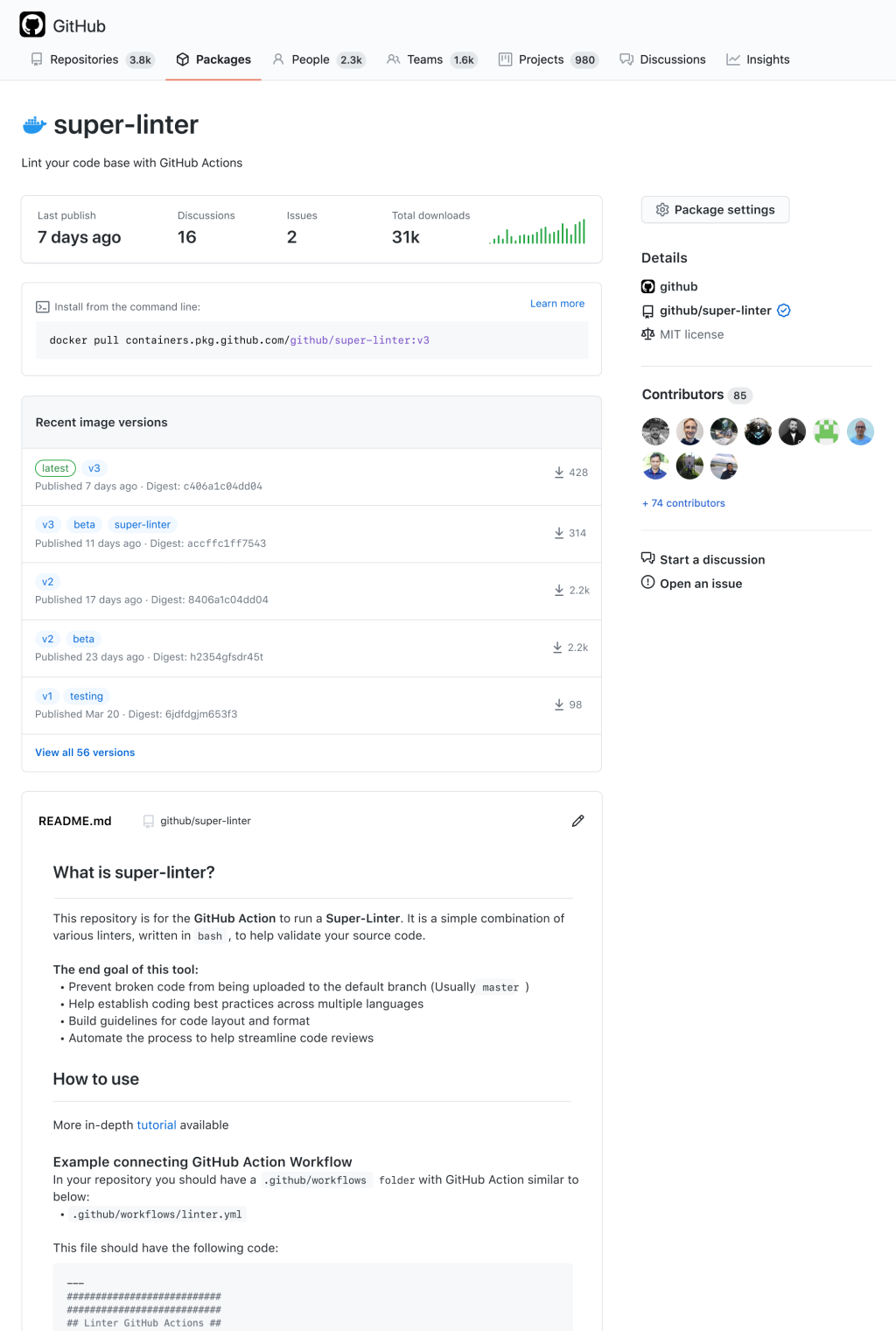
Anonymous pulls for public images
A key ask from users has been anonymous access to public container images, mirroring how public source repositories are readable without authentication. That capability is live now, and GitHub has seeded the registry with a public image of its own super-linter tool. Public images are free, while private images are free during the beta and will follow the standard GitHub Packages pricing model upon general availability.
Fine-grained permissions and org-level sharing
The registry introduces finer control over who can publish and access container artifacts. Permissions for a container image are now decoupled from those of its source code repository, letting teams restrict publishing to a smaller set of users or enforce separate release policies. Publishing under an organization also simplifies sharing images across teams internally, with the goal of encouraging consistent base image usage and innersourcing.
Publishing via GitHub Actions
For existing GitHub users, the fastest path in is through GitHub Actions. The "Publish Docker Container" workflow template has been updated to target the new registry with minimal configuration.
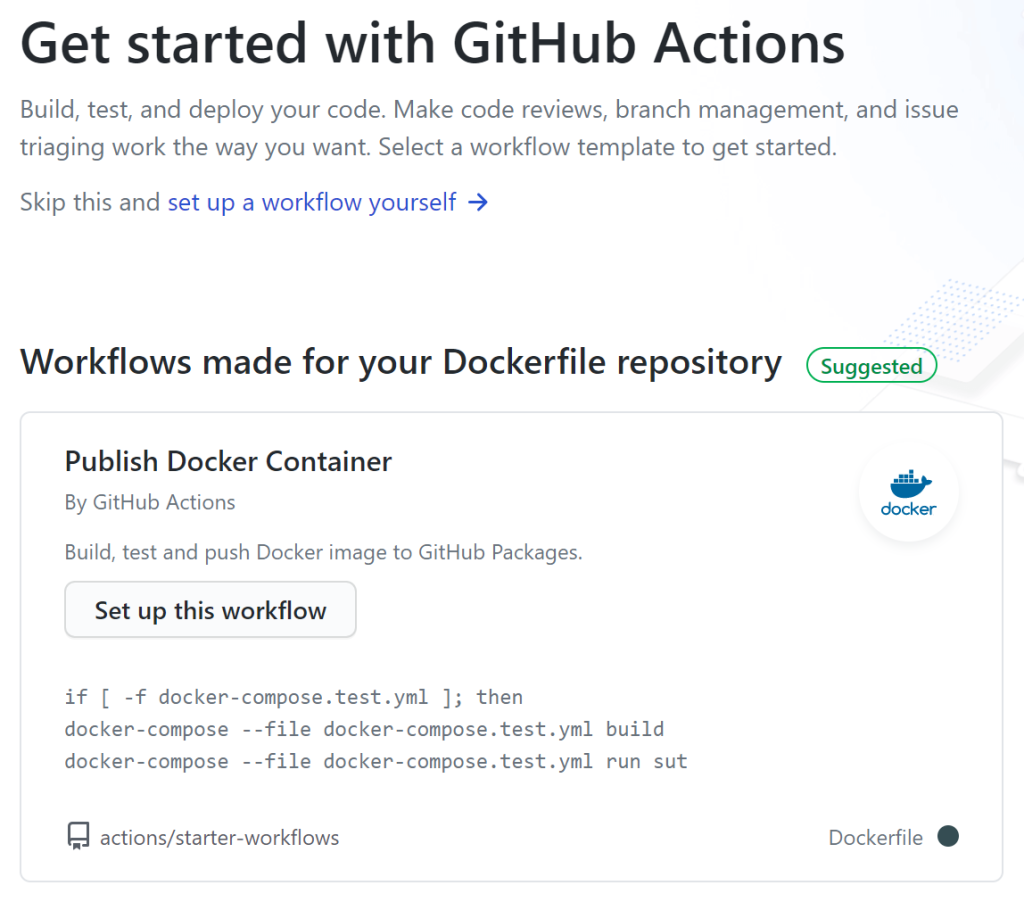
Teams currently using the Docker service within GitHub Packages can follow GitHub's migration guidance to move their images over. GitHub says it will publish further roadmap details soon, including plans for Helm 3 chart support and using the registry for universal storage.
Feedback can be submitted through the GitHub community forums or directly to the product team.