Meta to Land First Subsea Cable in Southern Brazil
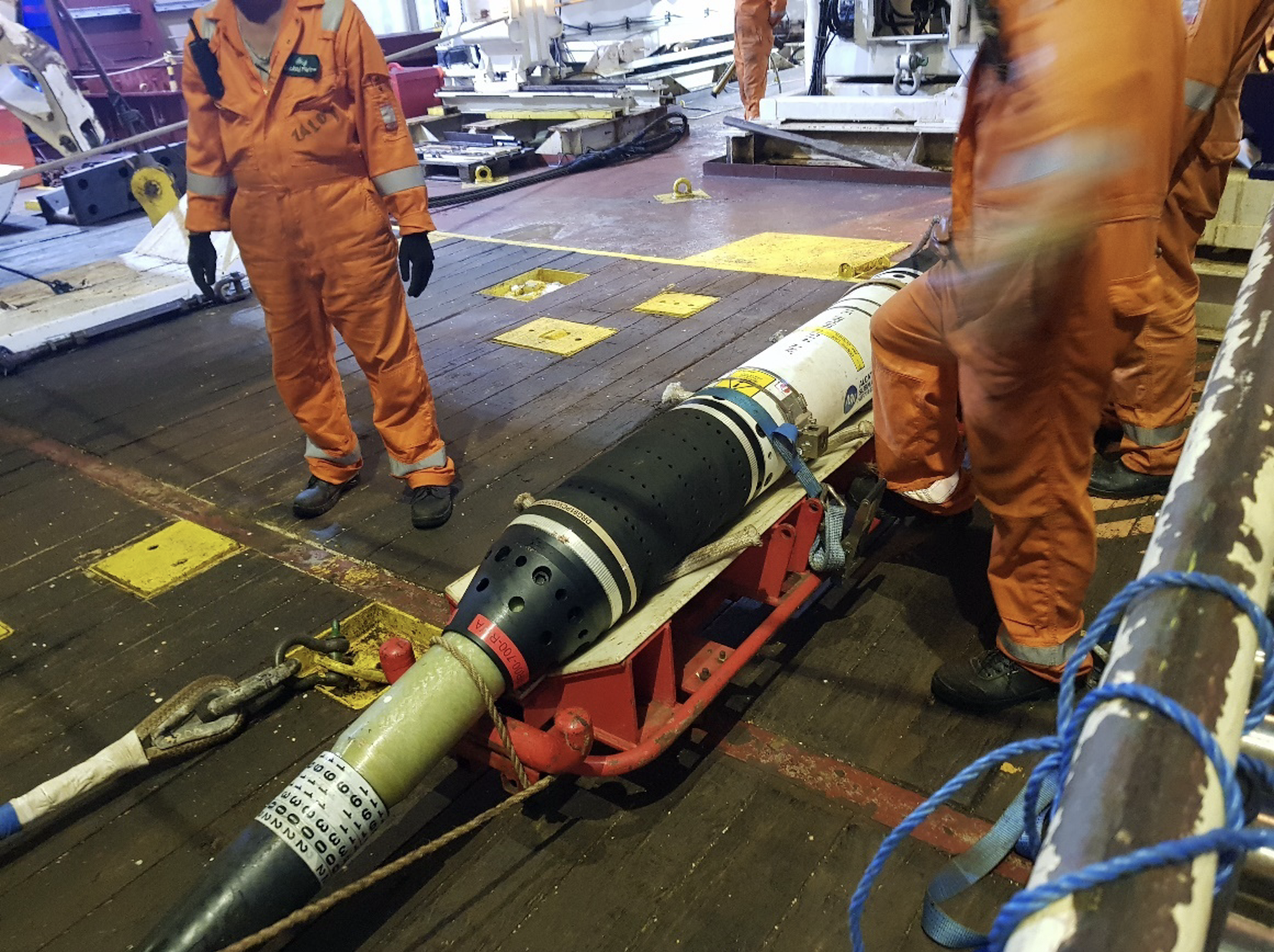
Meta has announced an extension of its Malbec subsea cable system to Porto Alegre, Brazil, developed in partnership with V.tal. The new branch, expected to be operational in 2027, will connect Porto Alegre with Rio de Janeiro, São Paulo, and Buenos Aires, marking the first international subsea cable to land in the state of Rio Grande do Sul.
Malbec, a 2,500 km cable that entered service in 2021, currently provides connectivity between Brazil and the Southern Cone of South America. The extension brings over 84 terabits of international capacity directly to the region, allowing local service providers to acquire capacity and extend connectivity to neighboring Argentina, Chile, Paraguay, and Uruguay. This positions Porto Alegre as a digital hub for the southern part of the continent, improving online experiences for millions of users across these countries.
The project aligns with Meta's broader digital infrastructure investments supporting growing demand for capacity and resilience. Earlier this year, Meta activated a Point of Presence (PoP) in Porto Alegre. PoPs enable efficient local content delivery, reducing network management costs for internet service providers while improving quality of experience for their customers. As demand for AI and online services accelerates, such deployments aim to make emerging technologies accessible regardless of geographic location.
Strategic and Economic Implications
Ana Luiza Valadares, Meta's Public Policy Director for Connectivity & Infra in LatAm, called the expansion "a milestone for connectivity in South America," stating it positions Porto Alegre as "the first major international digital hub in the south of the country." She noted the project should attract digital infrastructure companies, lower costs for businesses, and improve consumer services.
V.tal CEO Felipe Campos highlighted the project's significance for the local digital economy: "It will be a unique infrastructure that will attract the interest of operators and internet providers, as well as other submarine cable companies." He added that end users and companies across the Southern Cone would benefit from a better experience when using the internet and digital applications.
Rio Grande do Sul Governor Eduardo Leite framed the investment as aligned with the state's Economic, Inclusive and Sustainable Development Plan, supporting artificial intelligence projects in a state he noted ranks as a leader in innovation within Brazil. The cable will provide direct connectivity to northern Brazil and Argentina, further strengthening Brazil's position as a South American connectivity hub.