
OpenRAN reference designs move from lab to field
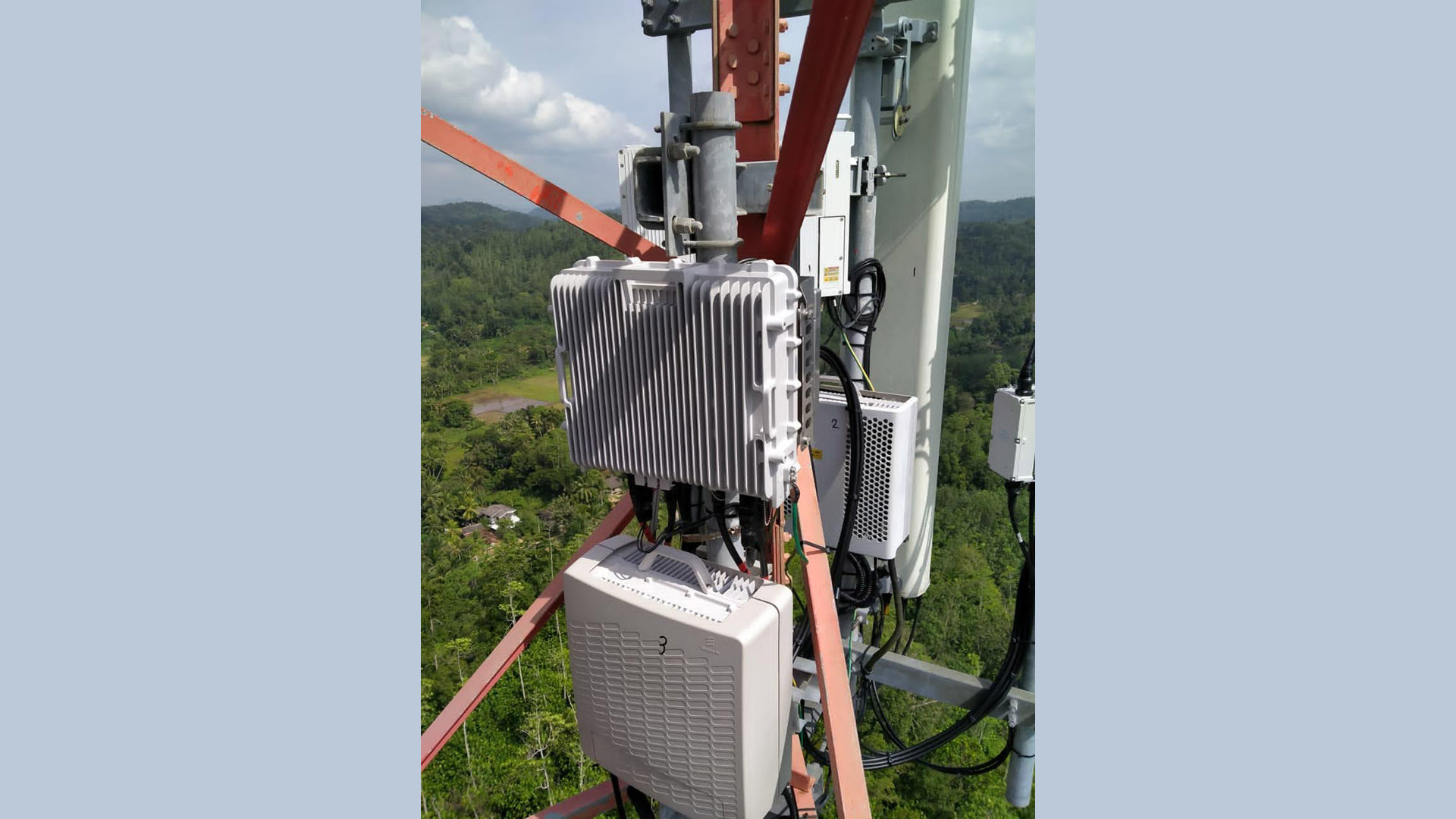
The Evenstar program, a collaborative effort within the Telecom Infra Project (TIP) OpenRAN Project Group, is advancing its goal of building an alternative infrastructure supply chain for radio access networks (RAN). The first Evenstar remote radio unit (RRU) product has completed lab validation and is moving to field testing. Additional RRU product SKUs are in development, and engineering work on the distributed unit (DU) design has begun.
Evenstar brings together mobile network operators Airtel and Vodafone with technology partners ADI, Altiostar, Baicells, Flex, Mavenir, MTI, Parallel Wireless, and Xilinx. The program targets general-purpose RAN reference architecture for 4G and 5G networks within the OpenRAN ecosystem.
Decoupling the RAN stack
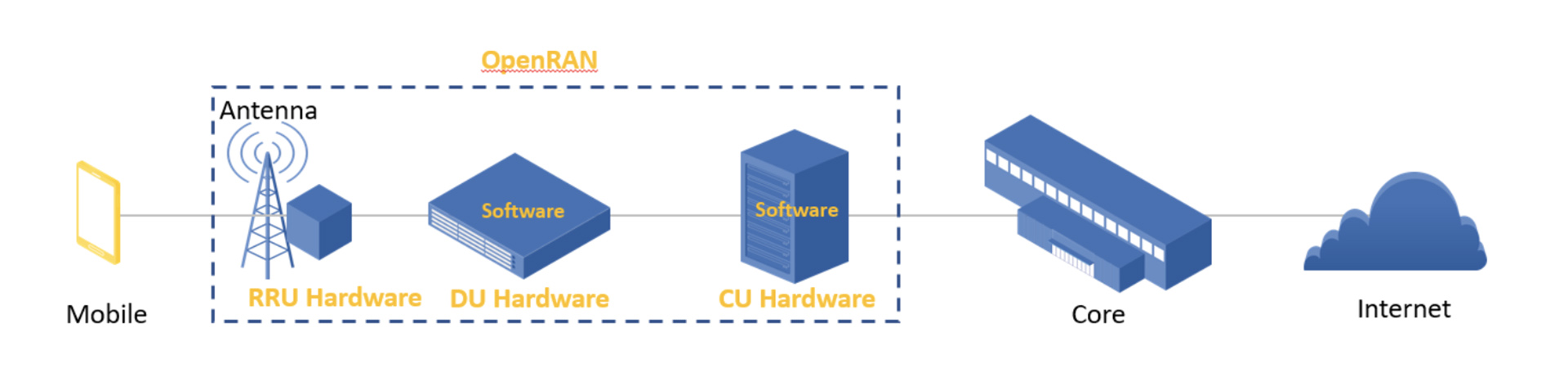
Traditional RAN infrastructure is sold as an integrated package. Evenstar aims to change that by separating RRU hardware, DU software, and control unit (CU) software. This decoupling gives mobile network operators the flexibility to choose best-of-breed components from a growing pool of technology providers rather than being locked into a single vendor's solution.
The program covers the full product life cycle, from requirements through production, including testing, validation, and procurement. Facebook Connectivity is working with an ecosystem of operators, silicon providers, OEMs, ODM/manufacturers, and contract manufacturers to build hardware reference designs aligned with 3GPP and O-RAN specifications. The effort began with RRU hardware and is expanding to include DU hardware.
Lab validation and next steps
The first-generation Evenstar RRU was validated in an OpenRAN lab setting, demonstrating interoperability with a DU solution over the 7.2 interface. Mavenir led the validation in collaboration with MTI, Facebook, and Vodafone. The next milestone is field validation, where the equipment will carry commercial traffic on live network nodes.
With lab validation complete, the second-generation Evenstar RRU is expected to be available in mid-2021. The DU project is underway for both standard and merchant silicon–based configurations, with collaboration underway with key silicon providers to improve cost, size, and power efficiency for RAN components.
Field trials and scaled OpenRAN deployments are expected to accelerate through 2021. Broader commercial adoption of these initial products would help expand the network of OpenRAN suppliers and drive further innovation in the ecosystem.