Why the CSS3 mark no longer fits
The CSS-Next Community Group is running an open, active effort to find a new CSS logo, and the argument for replacing the status quo is hard to dispute. The current icon carries a prominent "3" — for CSS version 3 — and many IDE icon packs reduce CSS files to that numeral alone. The "3" also misrepresents where the language stands.
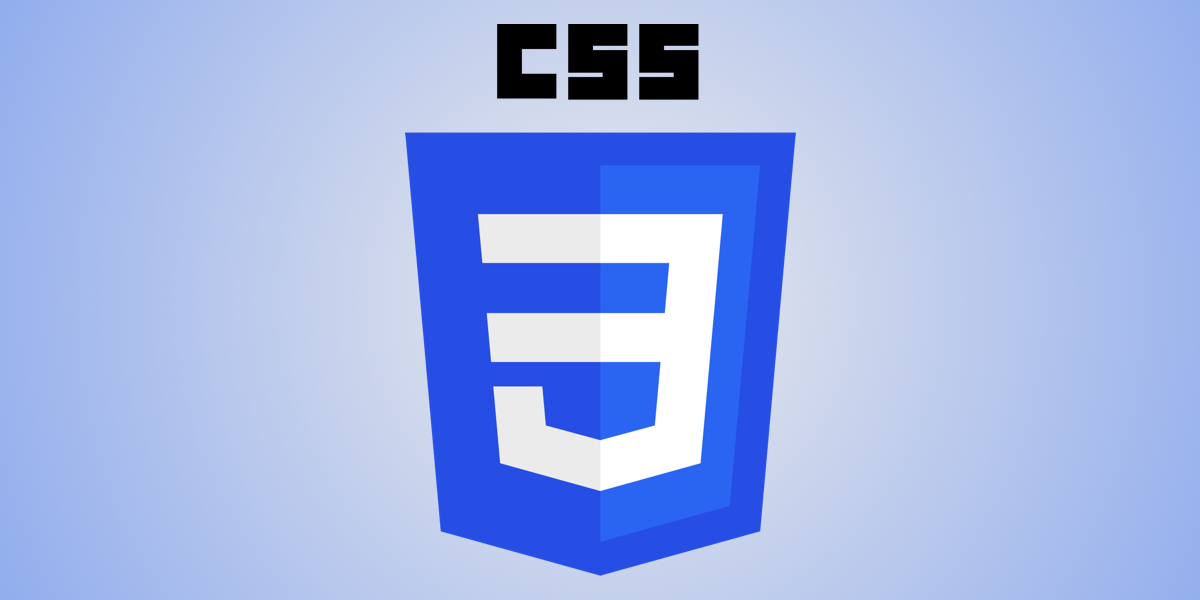
The history is shorter than the logo implies: the earliest CSS3 draft specification dates to 1999, and adoption began in 2011 when it was published as a W3C Recommendation. CSS has not stood still since.
Much of the confusion traces back to the end of version numbering. New features are now cited by individual specification level — Selectors Level 4, for instance, being the current Selectors spec. For a broader view of progress, Caniuse and Baseline show when browsers shipped particular features, and the Interop Project brings browsers together to decide what to implement next.
Defining CSS “eras”
Discussion of CSS eras is underway as a possible frame for referring to features. Chris posted about CSS4 five years ago on CSS-Tricks, examining how well CSS3 worked as marketing, and Jen Simmons opened a CSS Working Group GitHub discussion on defining CSS4 back in 2020. Given that, it may come as a surprise that CSS has moved past CSS4 into what is technically CSS5.
The CSS-Next Community Group, introduced by member Brecht de Ruyte at Smashing Magazine earlier this year, leads this work and defines the versions as follows:
- CSS3 (~2009-2012): Level 3 CSS specs as defined by the CSSWG
- CSS4 (~2013-2018): Essential features that were not part of CSS3, but are already a fundamental part of CSS.
- CSS5 (~2019-2024): Newer features whose adoption is steadily growing.
- CSS6 (~2025+): Early-stage features that are planned for future CSS.
A November 2023 slide deck lays out the case for stronger versioning, with these goals:
- Help developers learn CSS.
- Help educators teach CSS.
- Help employers define modern web skil…
- Help the community understand the progression of CSS capabilities over time.
The logo proposals
Adam Argyle opened an issue on the CSS-Next GitHub project in August to gather ideas. The thread remains active and appears to be converging on a release candidate.
Nils Binder of 9elements proposed a design built on the "cascade," with a river-like "S" running through it.
Chris Kirk-Nielson pitched an interactive concept from earlier work, drawing on the "CSS is Awesome" meme in which content overflows its wrapper. Nils responded with a sharp objection:
Regarding the reference to the ‘CSS IS AWESOME’ meme, I initially chuckled, of course. However, at the same time, the meme also represents CSS as something quirky, unpredictable, and full of bugs. I’m not sure if that’s the exact message that needs to be repeated in the logo. It feels like it reinforces the recurring ‘CSS is broken’ mantra. To exaggerate: CSS is subordinate to JS and somehow broken.
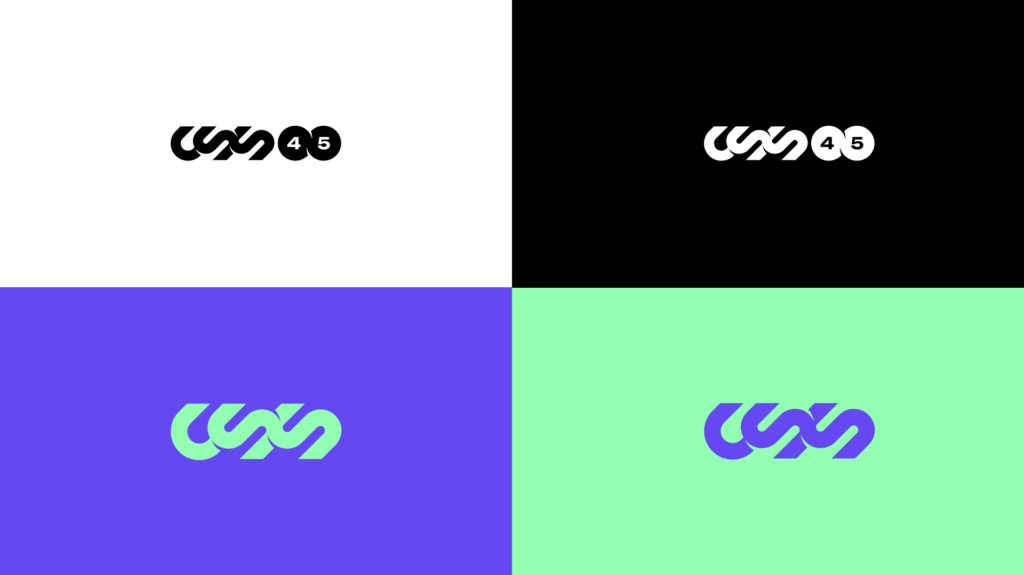
The current candidate instead builds on Javi Aguilar's proposal, which the group is iterating on. Javi explains his design considerations in the thread; the color choice stand out, and the softer shape sets it apart from the more rigid JavaScript and TypeScript logos.
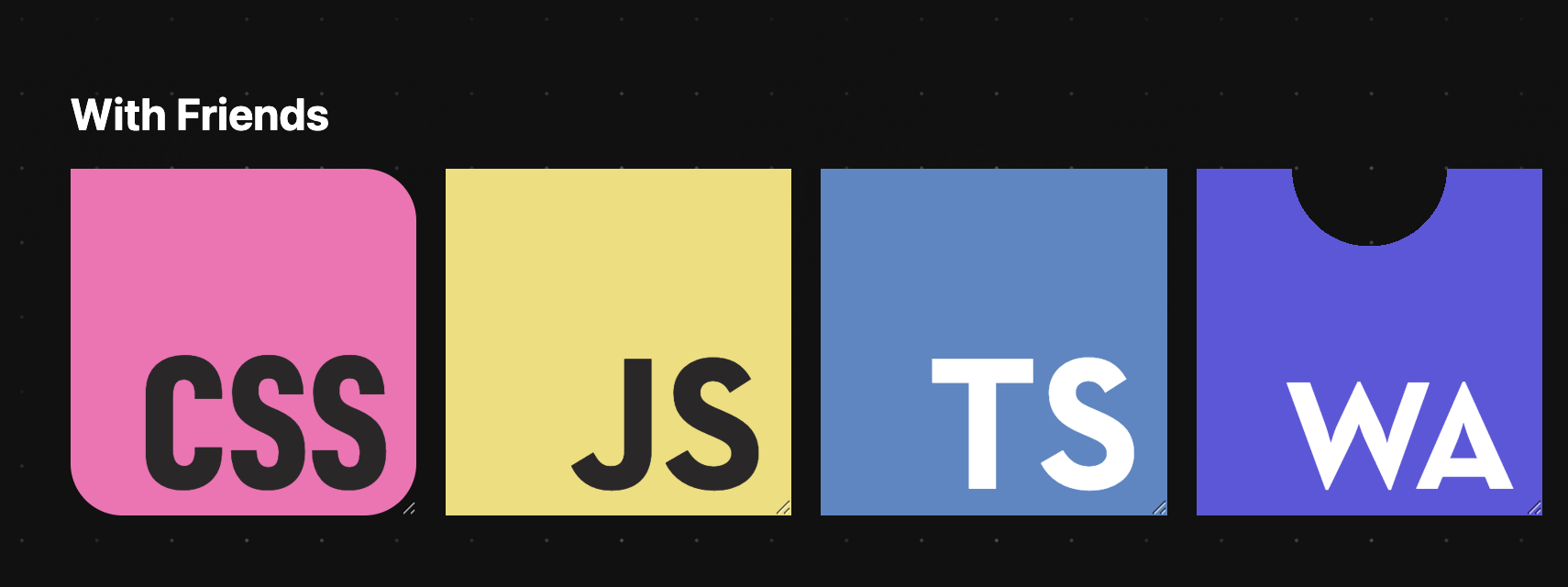
Design work is ongoing. The latest versions appear in Adam's CodePen demo, and the design files are available in Figma. Comments on the design belong in the discussion thread. Once versions and the logo are settled, one question remains: a mascot. A chameleon? A peacock?