CSS Doesn't Have to Be a Black Box
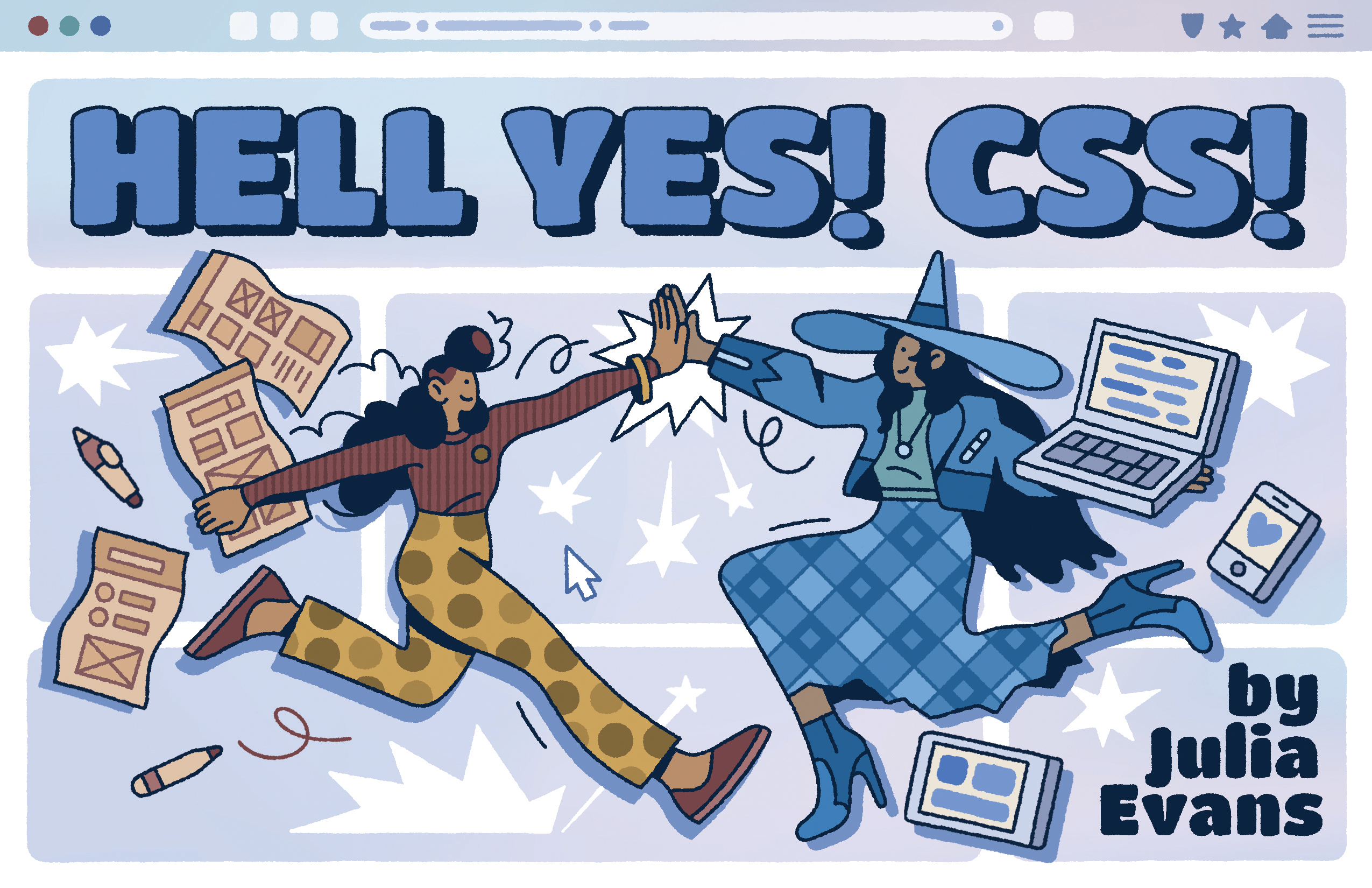
This week, Julia Evans released a new zine called Hell Yes! CSS!, aimed at developers who treat CSS as a mysterious force that must be wrestled into submission by trial and error. The zine costs $12, and a 9-pack of all zines is available for $88.
The Usual CSS Struggle
Most people who don't write CSS daily can relate to a specific kind of pain: every simple task, from centering a div to positioning an element, requires a Google search, followed by random tweaks until the output "kind of sort of works." Nothing sticks, so the next time the same task comes up, the process repeats from a clean slate.
The zine's premise is that this cycle exists because of a misunderstanding: CSS isn't arbitrary, it's just counterintuitive in a few key spots. Once those spots are internalized, stylesheets become tractable, and debugging stops being a matter of luck.
An Example: position: absolute
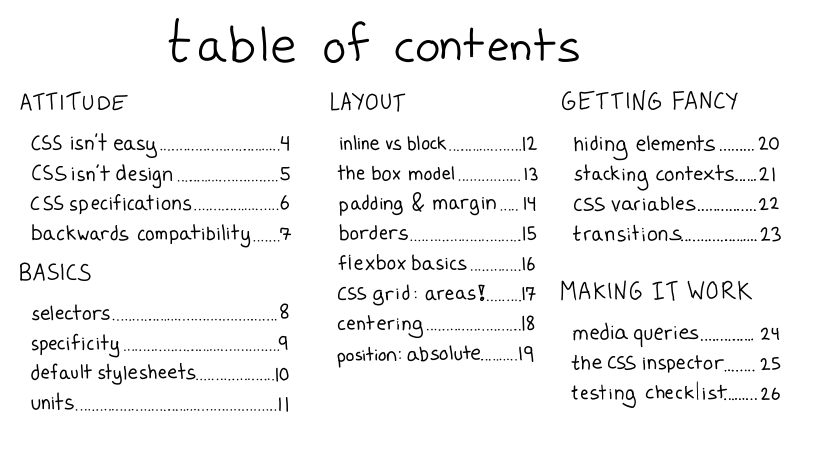
A prime illustration is position: absolute. The name suggests elements are positioned relative to the page. In reality, they're positioned relative to the closest positioned parent. This single fact clears up a huge amount of confusion, and it can be learned in minutes rather than by copying and pasting snippets for a decade.
The zine pairs this kind of fact with a Codepen example demonstrating how to position four stars at the corners of a box. The example is interactive and editable, which gets at the second thing the author says made a difference in her own CSS confidence: playing with real examples beats reading theory.
What the Zine Covers
Hell Yes! CSS! walks through the fundamentals that made CSS click for the author after watching designer Melody Starling work. Starling didn't Google basics, handled supposedly "impossible" tasks on the first attempt, and debugged by reasoning instead of making random changes. A lot of that comes down to experience, but the underlying CSS concepts are teachable.
Alongside the core facts, the zine spends a little time on attitude. Standards-compliant CSS enjoys an unusual property: browser backward compatibility means a correctly-written page keeps working indefinitely. That makes the initial effort to get CSS right worth it, since the payoff compounds over a decade.
Practice Examples Online
A companion site, CSS examples, provides about 20 editable illustrations of the zine's concepts. Some are straightforward — border-radius variations — while others demonstrate trickier behavior, like why left: 0; right: 0 differs from width: 100%, or how inline-block elements align differently depending on whether they contain text. Every example can be opened in Codepen and comes with suggested modifications to reinforce understanding.
What's Next
Evans notes that a bash scripting zine, Bite Size Bash, is nearly finished. Also on the roadmap is a possible collection of "CSS études" — exercises that hand the reader a design and ask them to implement it. If such a resource already exists, Evans says she'd love to know about it.


