Remix Joins Shopify: A Bet on the Web Platform
Shopify has announced that the open-source web framework Remix and its founding team—Ryan Florence and Michael Jackson—are joining the company. The move brings together two organizations with a shared goal: making it significantly easier for developers to build fast, resilient web experiences.
For Shopify, the acquisition supports its Hydrogen product, the React framework for building custom storefronts. Merchants stand to benefit from faster storefronts and new developer tools, while the Remix open-source community gains a sponsor with long-term commitment to the framework's roadmap.
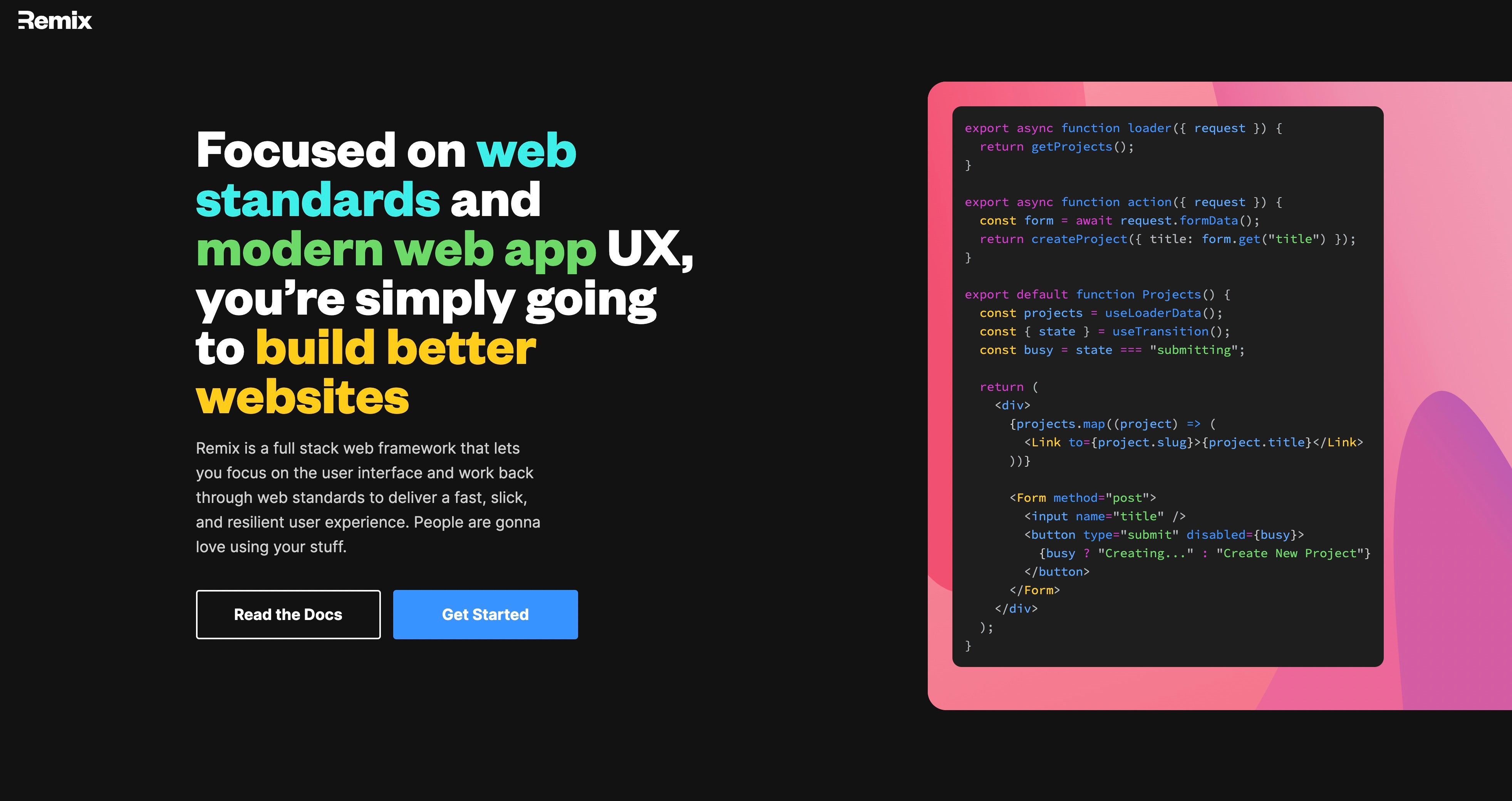
What Remix Brings to the Table
Before Remix, the team behind it created React Router in 2014, a library that has since been downloaded from npm nearly a billion times. Remix builds on that foundation as a full-stack React framework that handles data loading and code splitting on the server, freeing front-end developers from those backend concerns. The team describes this approach as "center stack"—a solution to a problem that previously lacked a clean answer.
Remix's philosophy centers on progressive enhancement. Links, buttons, and forms in a Remix app function before JavaScript loads, delivering immediate content to users on constrained bandwidth rather than forcing them to wait on spinners. This design works with the web platform rather than against it, and the framework serves as a teaching tool for developers learning to leverage native web capabilities.
The framework is also edge-first, capable of running on edge runtimes, inside service workers, and in Node.js environments. This flexibility lets developers position code close to users or data—critical for personalized commerce experiences.
For developers, Remix offers nested routes with error boundaries at the appropriate level and parallel data loading. The framework provides a clear, guided path that avoids common pitfalls, letting developers reason about server and client interactions without wrestling with React abstractions.
Why Shopify and Remix Are Joining Forces
Shopify's interest in Remix grew out of its existing relationship with the Remix team. Hydrogen, which shipped version 1.0 in June, originally used React Router under the hood. At Remix Conf in May, the companies announced Hydrogen UI, demonstrating how Hydrogen layers could work with other frameworks. Continued collaboration made a formal partnership the logical next step.
The infrastructure requirements for fast storefronts mirror the best practices Remix has codified. A storefront must load quickly, remain fast, and grow more dynamic as buyers interact with it. Remix will address challenges Hydrogen developers have encountered around data loading, routing, and error handling.
One notable shift: Shopify made a significant bet on React Server Components (RSC) with Hydrogen, but moving to Remix's data loading pattern instead of server components will deliver faster performance and a simpler developer experience. Changes arrive in Hydrogen 2.0, though approximately 90% of existing developer code will remain unchanged.

A Broader Commitment to the Open Web
While Hydrogen focuses specifically on commerce, Remix operates lower in the stack and will remain a general-purpose web solution spanning content, commerce, and applications. Shopify plans to use Remix across its developer platform, with first-class support expected to expand over time.
Remix will continue as an independent, open-source framework. The team retains space to pursue its roadmap, and the project's open-source ecosystem remains intact. This commitment matters to Shopify, which was built by entrepreneurs and relies on open source throughout its own infrastructure.
The partnership reflects a shared vision for the web's evolution: after the document web, richer interactivity, and single-page apps, the industry is now combining the strengths of multi-page and single-page approaches. Both organizations see this convergence as particularly well-suited to commerce, where speed, resilience, and personalization are essential.
The Remix and Hydrogen teams are focused on helping the React community, but the benefits of their work are expected to extend across frameworks. By raising the floor for web development, Shopify's investment in Remix aims to improve the ecosystem broadly—whether or not developers build for commerce.