

Rethinking scale for GitHub-hosted runners
GitHub has opened a public beta for its new, larger GitHub-hosted runners for Linux and Windows. The refreshed offering is aimed at teams that need more compute per job and tighter network control without abandoning the convenience of fully managed, auto-scaling CI/CD infrastructure.
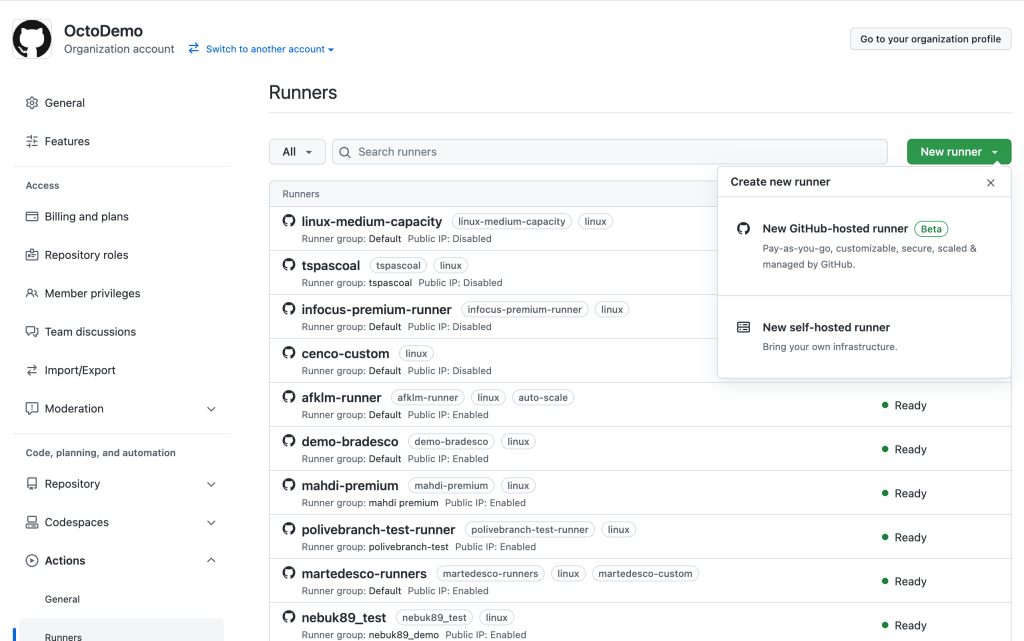
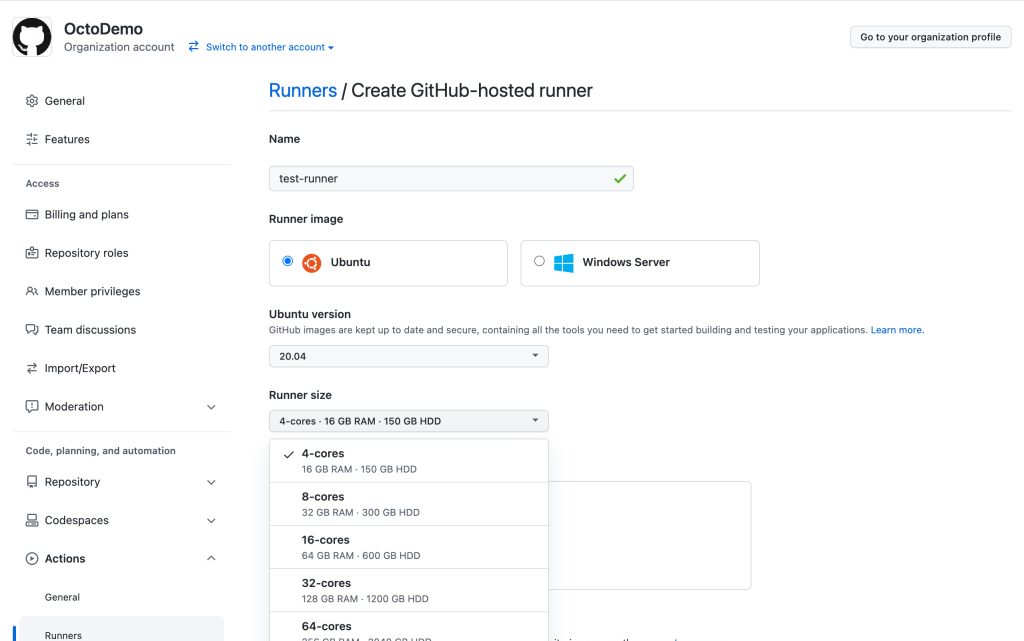
The headline change is machine size: runners now span 2 to 64 cores on both Linux and Windows, letting teams scale up compute for demanding builds and tests. Bumping a runner size requires no more than editing a single line in the workflow file, so accelerating a sluggish build is a matter of configuration rather than infrastructure work.
Alongside larger machines, the beta introduces a concurrency ceiling of up to 500 parallel jobs. That headroom, combined with on-demand provisioning and per-use billing, lets teams absorb bursts of work during peak development windows without maintaining idle capacity.
Static IP ranges for secure cloud connectivity
The new runners also address a long-standing pain point for organizations that route CI/CD traffic through firewalls or rely on IP allow lists. Reserved static IP ranges mean GitHub Enterprise Cloud customers can point their runners at internal or cloud-hosted services such as Artifactory, Nexus, or other DevOps tools without juggling dynamic IP addresses. This also clears the path to run GitHub Actions while keeping GitHub IP allow lists enabled.
Because GitHub fully manages and maintains these machines, they ship with current security patches for the underlying Linux and Windows images, giving workflow starts immediate access to fresh, patched environments.